
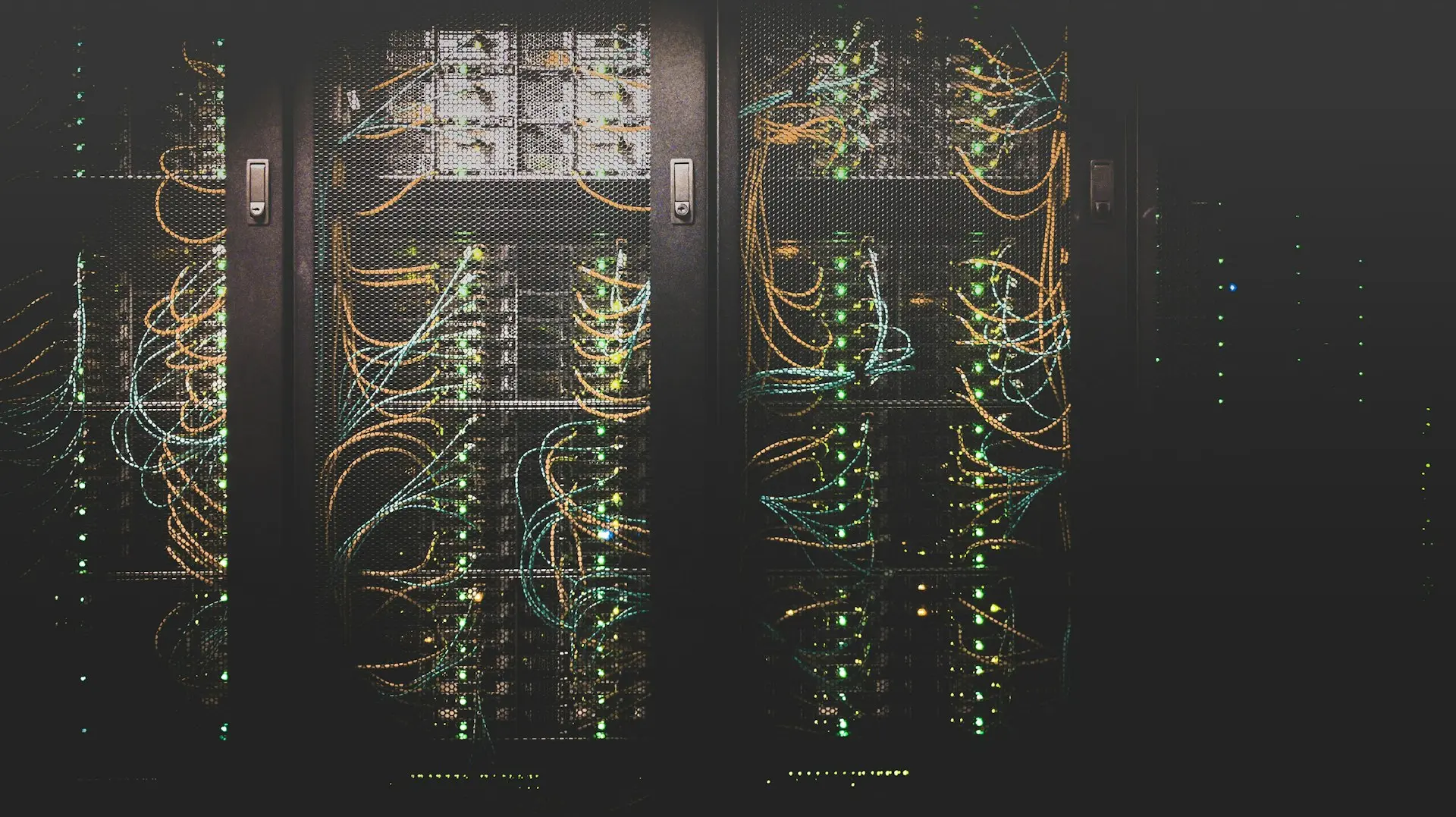
The artificial-intelligence boom moved from software to concrete, steel, electricity, and financing. Amazon, Microsoft, Alphabet, and Meta were expected to spend about $630 billion on AI infrastructure in 2026, but the limiting factor was increasingly not capital. It was the physical capacity to build data centers fast enough.
A closer look
Industry-wide AI infrastructure spending was projected at roughly $811 billion, with the four largest U.S. technology platforms accounting for about $630 billion. Projects faced long lead times for power connections, transformers, permitting, skilled labor, cooling systems, and advanced chips. Some operators turned to on-site generation or alternative cloud capacity to avoid grid delays.
The economics behind it
This is a classic capital-cycle problem. High expected returns encourage enormous investment, but construction capacity and infrastructure cannot expand instantly. Bottlenecks raise costs, delay revenue, and lower the return on invested capital. Even when final demand is strong, projects can disappoint financially if the assets arrive late or at a much higher cost than planned.
Where it goes from here
The AI buildout is becoming macroeconomically important. It can lift equipment investment, construction, power demand, and semiconductor sales, but it can also raise electricity prices and compete with other users for grid capacity. Financing needs may spill into bond markets and private credit as projects grow larger.
The winners may not simply be the companies with the best AI models. Utilities, grid equipment makers, cooling suppliers, construction firms, and chip manufacturers all sit inside the infrastructure chain. The pace of AI adoption will increasingly depend on how quickly the physical economy can support the digital one.