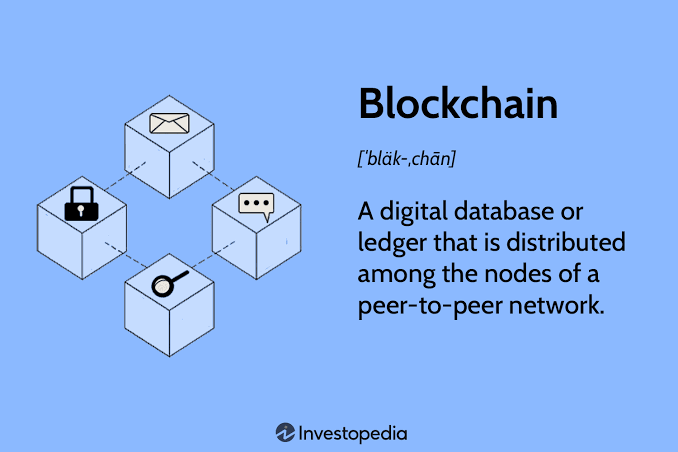
When multiple entities need to keep track of related information, questions about control over that information may arise. A blockchain is one possible solution for managing that information, and understanding why it may be relevant focuses on the relationships between records rather than the potential connection to digital currency.
How a Blockchain Works
NIST explains that a blockchain is a “distributed digital ledger” where “information is grouped” into blocks. These blocks then “are cryptographically linked together” to help verify transactions, which happen either within the system or from other actions, and “new blocks are added to the chain according to a network’s rules” and then stored on different copies of the ledger.
This defines a process in which changes to history are obvious and previous records are resistant to alteration.
Why Shared Records Could Be Valuable
Imagine multiple entities exchanging ownership of a shipment and wanting to document that exchange. Each would want to know precisely when ownership changes and what the others have recorded.
A hypothetical blockchain recording such a transaction would be a set of rules defining how history is kept, with the value in such a system being a shared record of events that all participants trust.
The danger is that the question of whether that trust is deserved never enters the discussion, and implementing such a system is not inherently valuable.
Ensuring Accuracy in What Is Stored
Back to the example of the shipment, imagine one party deliberately entering the wrong shipping number. A blockchain would store that number as being consistent with the history, even though it has no bearing on the actual product.
This demonstrates why a system storing a dependable historical record and ensuring that all information stored is accurate are two very different things.
Those using the system still have a responsibility to ensure that the right data is entered into the system, making a blockchain inappropriate for environments where mistakes are inevitable and disputes between participants are likely.
Conclusion
A blockchain represents a means of storing information relating to other information in a manner that is resistant to tampering. The value of such an approach depends on the specifics of the situation, and a commitment to making sure that the information being stored is accurate is the primary prerequisite to benefitting from the approach.