When a government or a company needs to borrow a large amount of money, it often does not go to a bank. It sells bonds. A bond is a loan made by an investor to a borrower, and the global bond market is larger than the stock market. Understanding how bonds work explains a great deal about interest rates, government budgets, and retirement portfolios.
How a Bond Works
Every bond has three basic features. The face value, or par value, is the amount the borrower promises to repay, commonly $1,000. The coupon is the interest paid to the investor, usually twice a year. The maturity date is when the face value is returned. An investor who buys a 10-year bond with a $1,000 face value and a 4% coupon receives $40 a year for ten years and then gets the $1,000 back. Unlike a shareholder, a bondholder does not own part of the company. They are a lender, and they are paid before shareholders if the borrower runs into trouble.
Who Issues Bonds
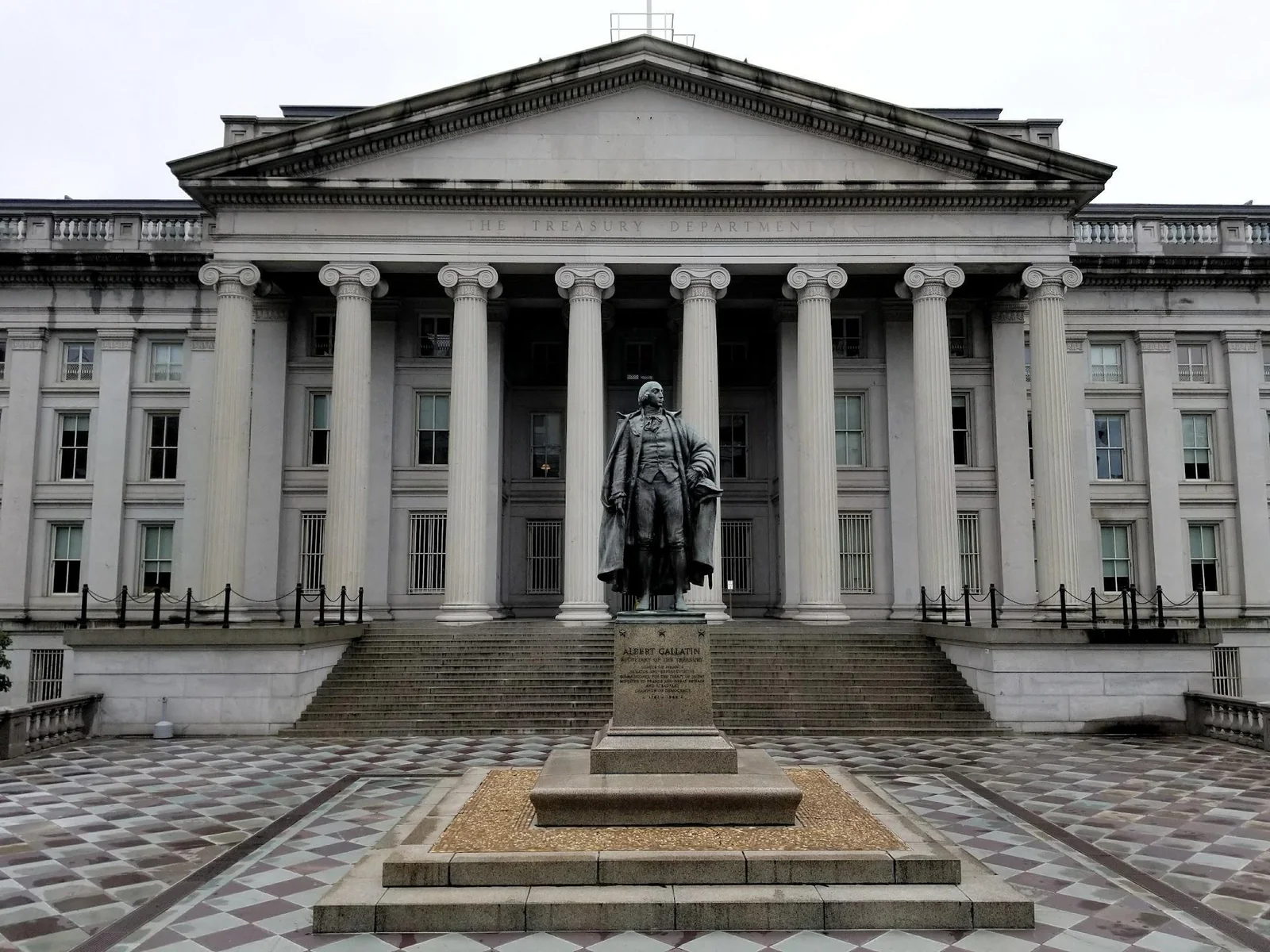
The largest borrower in the world is the U.S. government, which issues Treasury bills, notes, and bonds. Because they are backed by the federal government, Treasuries are treated as one of the safest investments available, and their yields serve as a benchmark for other interest rates. State and local governments issue municipal bonds to pay for roads, schools, and water systems, and the interest is often exempt from federal income tax. Companies issue corporate bonds to fund expansion or refinance debt. These pay more than Treasuries because there is a greater chance the borrower will fail to repay.
Why Prices and Yields Move in Opposite Directions
Bonds can be bought and sold before they mature, and their prices change every day. The most important rule is that when interest rates rise, the prices of existing bonds fall. The reason is competition. If new bonds are being issued with a 5% coupon, nobody will pay full price for an older bond paying 4%. Its price has to drop until its return matches what the market now offers. The reverse is also true: when rates fall, older bonds with higher coupons become more valuable. Bonds with longer maturities are more sensitive to these changes.
Risk and Ratings
The main danger for bond investors is default, when a borrower cannot make its payments. Rating agencies such as Moody’s, S&P Global, and Fitch grade borrowers on their ability to repay. Bonds with high grades are called investment grade. Those with low grades are called high-yield or junk bonds, and they pay higher interest to make up for the added risk. Inflation is another threat. A bond’s payments are fixed, so if prices rise quickly, the money an investor receives buys less than expected.
Conclusion
Bonds offer predictable income and are generally less volatile than stocks, which is why they are a standard part of balanced portfolios. They often hold their value when stocks fall, although that relationship is not guaranteed. They are not free of risk. Changes in interest rates, inflation, and the financial health of the borrower all affect what a bond is worth. For investors and for anyone trying to follow economic news, knowing how bonds respond to those forces is essential.