
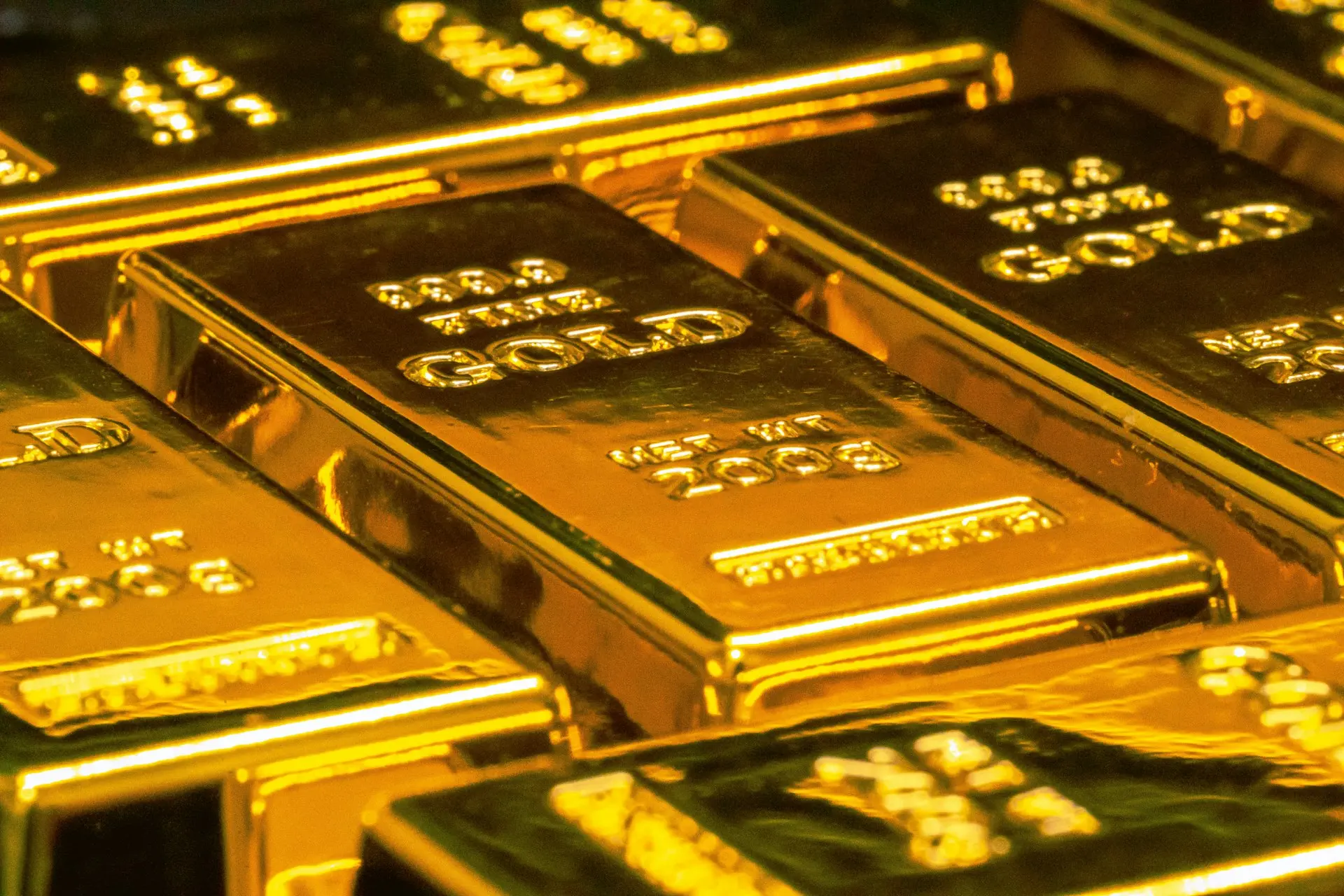
Gold surged again in August as central banks accelerated purchases and investors responded to a weaker dollar, geopolitical tension, and uncertainty about the path of U.S. monetary policy. The renewed rally reinforced the idea that official-sector demand had become a structural force in the gold market.
What happened
Gold climbed roughly $400 in the first part of August to around $4,400 an ounce. Central banks bought a record 289 metric tons in the second quarter, and a World Gold Council survey found that 45% of central banks planned to increase their gold holdings over the next twelve months. China added about 20 tons in July alone.
Central banks hold gold because it carries no credit risk and can diversify foreign-exchange reserves. After the freezing of Russian reserves in 2022, some countries became more focused on assets that are not liabilities of another government. That demand can support gold even when traditional drivers such as real yields would normally be negative.
The policy question
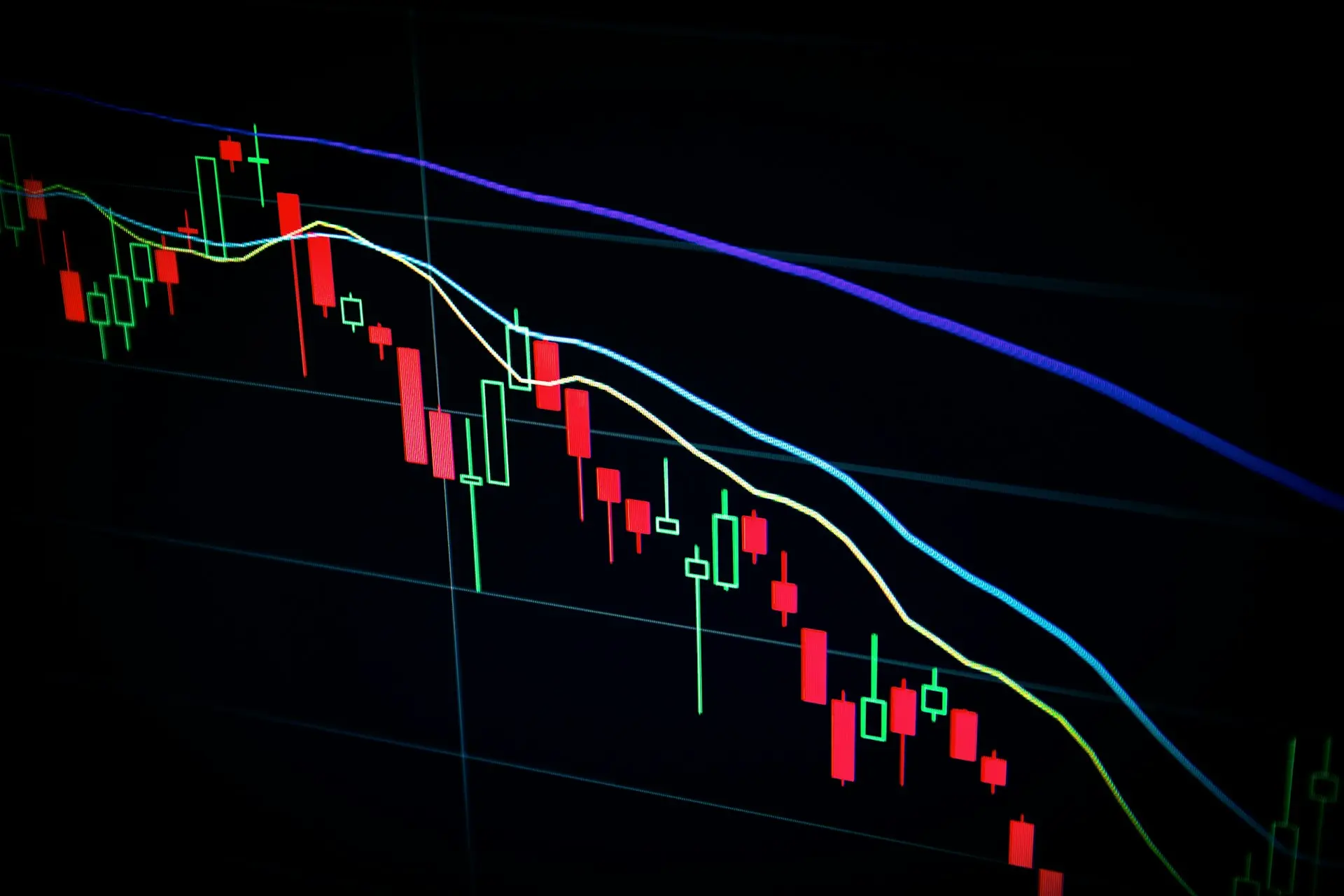
The shift changes how investors interpret gold. It is no longer simply a bet on lower interest rates or higher inflation. It can also represent a geopolitical hedge and a form of reserve diversification. That can make the market more resilient but also more expensive and volatile.
Looking ahead
Official buyers tend to move slowly, so central-bank demand is unlikely to disappear after one strong quarter. The main risk to the rally is a combination of a stronger dollar, higher real yields, and reduced geopolitical fear, but structural reserve demand could keep a higher floor under prices than in previous cycles.