
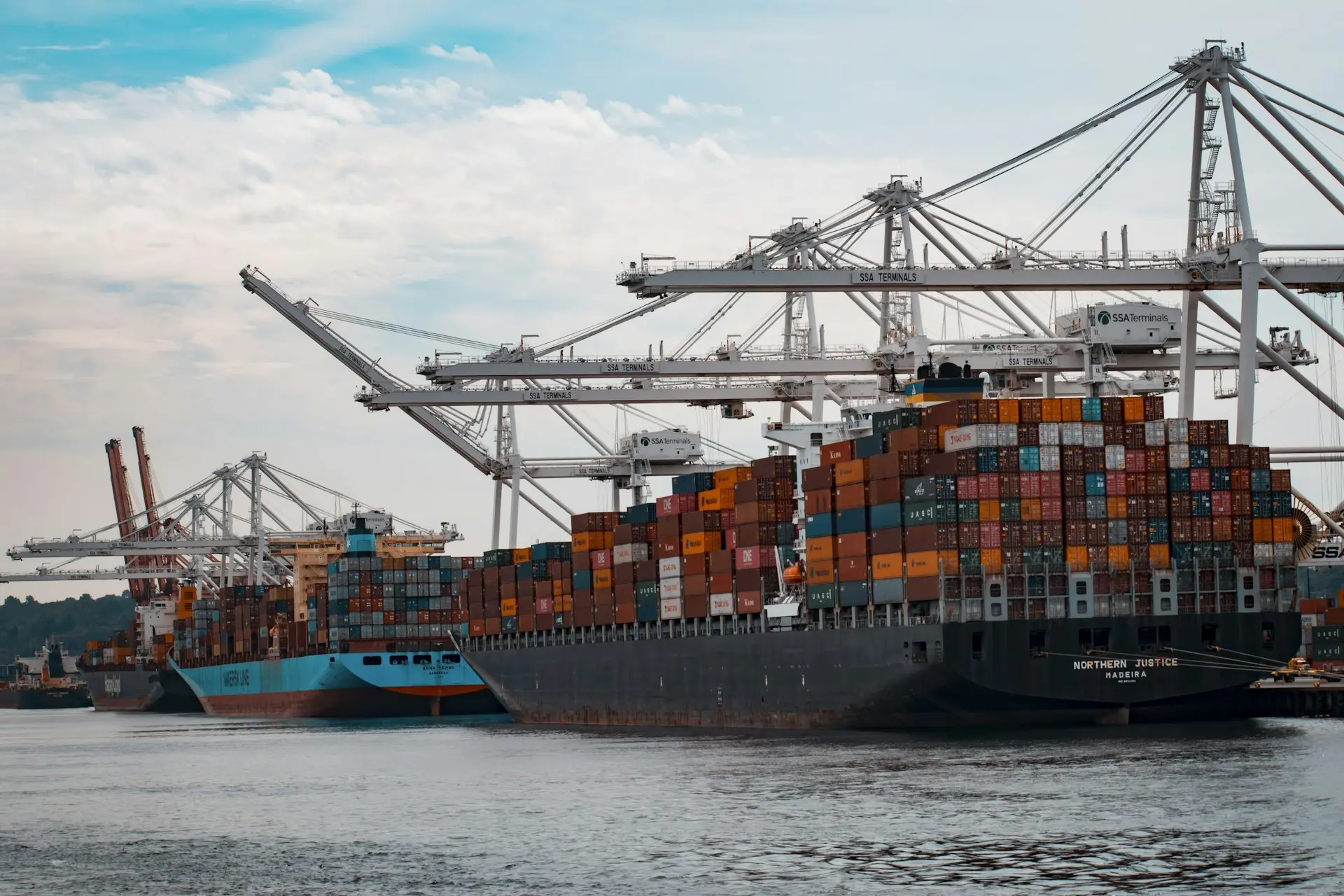
China’s economy lost momentum in November as factory production slowed, retail sales weakened sharply, and the property sector remained a drag. The latest numbers reinforced a growing concern among economists: exports could keep headline growth respectable for only so long if household demand and domestic investment remained weak.
The numbers
Industrial output grew 4.8% from a year earlier, the slowest pace in 15 months, while retail sales increased only 1.3%, the weakest performance since late 2022. Fixed-asset investment fell 2.6% over the first eleven months of the year, with property investment down 15.9%. Annual car sales in November fell 8.5%.
Why it matters
China’s property downturn affects the economy through wealth, construction, local-government revenue, and consumer confidence. Housing has historically stored a large share of household wealth, so falling prices can make families more cautious even when incomes are stable. At the same time, weak domestic demand encourages manufacturers to sell more abroad, which can intensify trade tensions.
What to watch
The slowdown increases pressure on Beijing to choose between more short-term stimulus and deeper reform. Subsidies can support purchases temporarily, but they do not fully resolve weak confidence. Trading partners are also becoming more resistant to China’s large manufacturing surplus, making an export-dependent recovery harder to sustain.
China is still capable of generating substantial growth, but the composition matters. A durable recovery will probably require stronger household spending, a clearer resolution of property-sector losses, and policies that give private firms confidence to invest. Without that shift, growth may remain increasingly dependent on government support and external demand.