
All organisms on earth consist of a unique chemical substance called deoxyribonucleic acid or DNA. This substance is responsible for encoding information about the proteins that synthesize cells. However, despite the critical functionality of DNA, this molecule is not constant. On the contrary, it changes within cells during reproduction, leading to the appearance of a wide range of diseases.
A mutation is a change in DNA that can be beneficial, neutral, or even pathological. Moreover, these changes can occur both spontaneously and as a result of external factors, such as ultraviolet radiation. However, despite the fact that some of these changes can be harmful, all mutations are helpful because they allow organisms to adapt to the environment.
Basic Information About Mutations
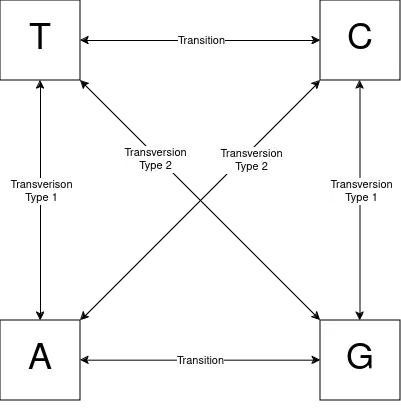
Changes in the structure of DNA can manifest themselves in various forms. For example, point mutations or single-nucleotide polymorphisms (SNP) lead to the fact that one nucleotide is replaced by another. However, since several codons can be responsible for one amino acid, such changes do not always affect protein structure. In addition, point mutations can also be different: they can delete a nucleotide, add a nucleotide, or replace one nucleotide with another.
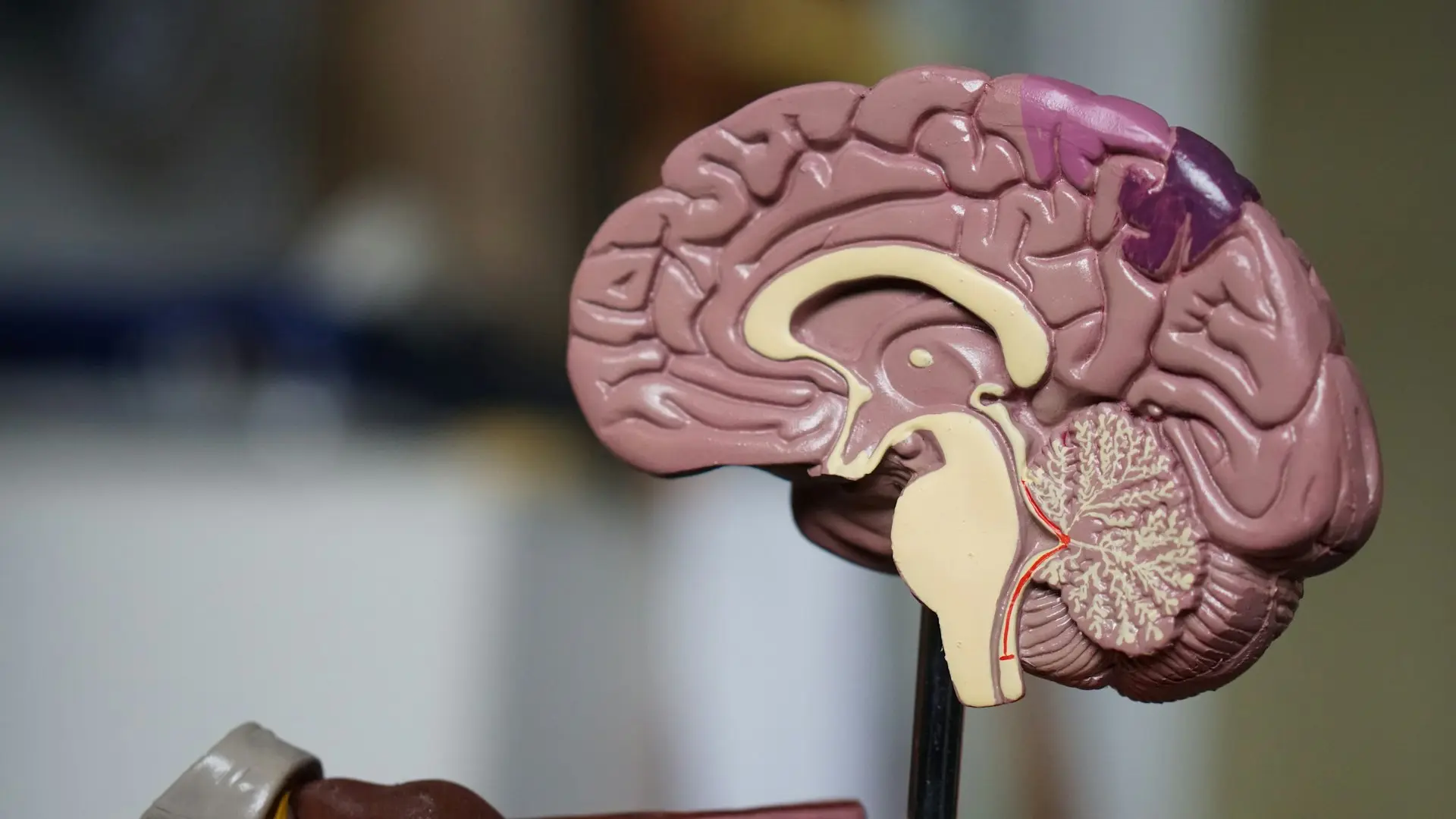
The most common mutations that affect the health of people and animals are deletions, duplications, and insertions of nucleotides. Under the action of mutagenic factors, the number of chromosomes can also change in the genome: for example, Down syndrome is caused by trisomy of chromosome 21. By way of example, cystic fibrosis is caused by a deletion of one amino acid in the CFTR protein. Therefore, the analysis of such diseases as cystic fibrosis and Down syndrome shows that both point mutations and chromosomal changes can be pathogenic.
Mutations: The Driving Force of Evolution
Although many mutations are random events that weaken the health of organisms, some beneficial changes occur rarely but constantly. Moreover, such changes used to be considered insignificant because they mostly affect neutral proteins. However, scientists have noticed that some mutations are beneficial because they allow cells to resist various diseases. For example, some point mutations of hemoglobin are associated with protection against malaria. At the same time, mutations that affected the production of melanin were responsible for the fact that the skin of people who live in hot countries turned dark. Consequently, all of the above examples clearly show that beneficial mutations are random events that are extremely useful for evolution.
Mutations and Diseases
In addition to neutral and beneficial mutations, there are also harmful ones that lead to the development of various diseases. In contrast to the relatively mild consequences of point mutations, significant changes in the genome often have a more serious consequence. For example, BRCA1 and BRCA2 gene mutations lead to the development of breast cancer. Moreover, each genetic disease is associated with specific changes in the genome. For example, cystic fibrosis, Down syndrome, and phenylketonuria are caused by specific point mutations. On the other hand, the transition from one race to another was made possible by the very same point mutation. At the same time, scientists note that the identification of pathogenic mutations allows doctors to cure and prevent many genetic diseases.
Conclusion
This essay was written to show the importance of DNA mutations, without which life would be impossible. The fact that some of the changes that occur in the genome are random events is not surprising since they occur both in gametes carrying male and female information and in somatic cells. However, despite the fact that such changes can lead to many diseases, it is this property that ensures the possibility of evolution and prevents species from dying because of an inability to adapt to a changing environment.