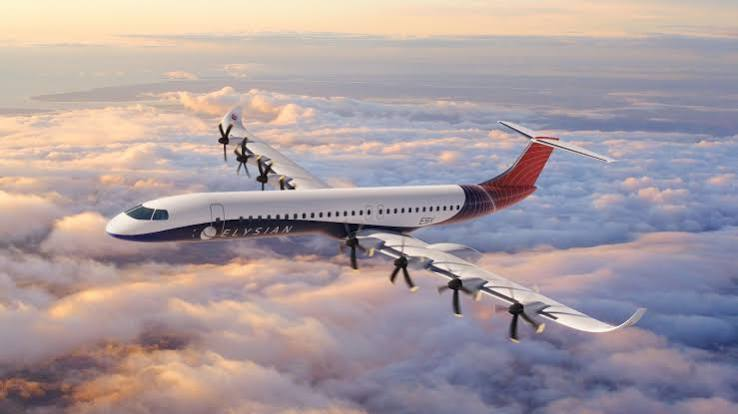
Electric cars have made battery-powered transportation commonplace. Electrification offers advantages for airplanes, but it presents a different set of challenges to engineers. They must think about how a propulsion system will impact the aircraft’s weight distribution and aerodynamics.
## Various Alternatives
Electrified aircraft can take various forms. Simplified, fully electric aircrafts use a battery to power their motors. Other aircrafts utilize a mix of electric and fossil fuel systems.
NASA is investigating a number of configurations, such as a parallel hybrid configuration in which an electric motor and conventional engine each contribute to powering a fan.
## Weight Considerations
The addition of batteries and electric motors impacts an aircraft’s design in various ways. NASA’s researchers have studied the effect that the weight and location of these parts have on the balance and fuel economy of the aircraft.
The organization is also working on electric propulsion devices that would generate lots of power while adding minimal weight and being energy efficient.
Consider an airline that is trying to decide if they should acquire an electric aircraft for a particular route. They would be considering more than just the propulsion system. The number of passengers, costs, airport infrastructure, and flight schedules are some of the other factors that they would take into account.
That is why the phrase “electric aircraft” should be followed by a number of questions about what the aircraft is supposed to accomplish.
## Final thoughts
Aviation electrification is a complex engineering challenge that has a number of potential solutions. The progress in this field depends on how motors, batteries, engines, and airframes are combined and how they impact the aircraft’s operations. The most successful advances will address a number of practical concerns while also addressing the demands of aviation.