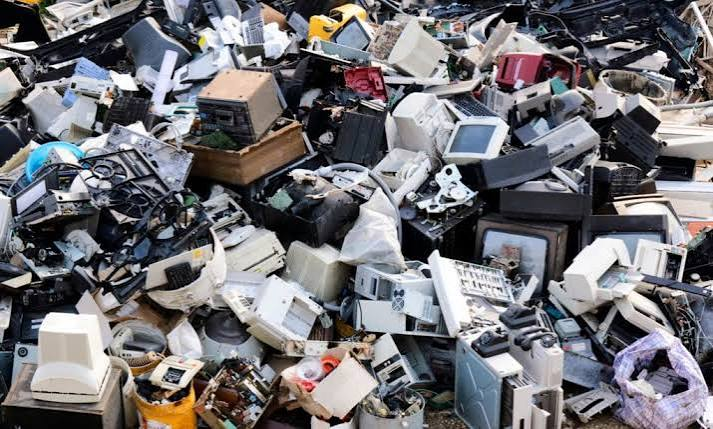
A new phone is an amazing sight—a better camera, faster processor, and a battery that can keep up with your daily use. But what about the old device? What becomes of its metal frame and circuit board? Technology innovation can and should go beyond new gadget creation and focus on another area—electronic waste management.
Electronic Waste Defined
Electronic waste (or e-waste) is the discarded electrical or electronic devices, such as mobile phones, personal computers, and home appliances. According to the Global E-waste Monitor 2024, the global e-waste output reached a whopping 62 million metric tons in 2022. Only 22.3 percent of it was formally recorded as collected and recycled. The numbers characterize the report’s focus year—2022 was not exceptional in the growth trends. The study predicts that global e-waste output is set to increase to 82 million metric tons per year by 2030. The drivers include the absence of repair options, shortened design life, and the rise of consumption.
Discarded electronics can undermine the environment in several ways. According to the United Nations Environment Programme, global waste management practices currently allow toxic chemicals contained in electronics to enter fresh water and soil. At the same time, valuable materials are lost when electronics are thrown away instead of being resold or recycled.
The issue is paradoxical. While society spends much effort and resources bringing high-end electronic devices to consumers, the goods’ end-of-life management is poorly embedded in societal processes. Electronic devices attract people’s attention and drive engagement but rarely last longer than necessary. Suppose there is a laptop whose battery has stopped working, and the only solution is to buy a new device. Meanwhile, the old laptop could potentially be repaired at a lower cost and last for several more years if the battery is replaced. One could ask different questions to electronic waste, such as how its goods design affects the possibilities for extended use.
Circular Economy and Electronic Waste
Recycling is not the only way to deal with electronic waste, according to the United Nations Environment Programme (UNEP). Creating durable products that can be repaired, reused, and remanufactured is an important strategy. Essentially, manufacturers should build their responsibilities around the entire lifecycle of their goods. They need to ask whether the design allows for parts replacement and whether the consumers are capable of performing repairs. Furthermore, companies should structure their operations to ensure materials recovery during end-of-life processing. Consumers should prioritize purchasing such products with long lifetime cycles.
Summary
Electronic waste is a physical attribute of a digital world. A natural extension of innovation and its ability to shape societies, electronic waste is now at the crossroads of environmental and social concerns. Essentially, technological development should be judged not only on its ability to bring more innovative products to market but also on the capacity to embed devices’ end-of-life management within regular maintenance and accessibility opportunities.
Electronic waste presents a complex challenge that requires collaboration between manufacturers, governments, and consumers to develop sustainable solutions. By designing products that are repairable, reusable, and recyclable, manufacturers can reduce their environmental impact while also meeting the needs of consumers who want to reduce their waste.
Works Cited
UNITAR. “ Global E-waste Monitor 2024: Electronic Waste Rising Five Times Faster than Documented E-waste Recycling .” 2024. Print.
United Nations Environment Programme. “ As Electronic Waste Surges, Countries Look for Answers .” 2024. Print.