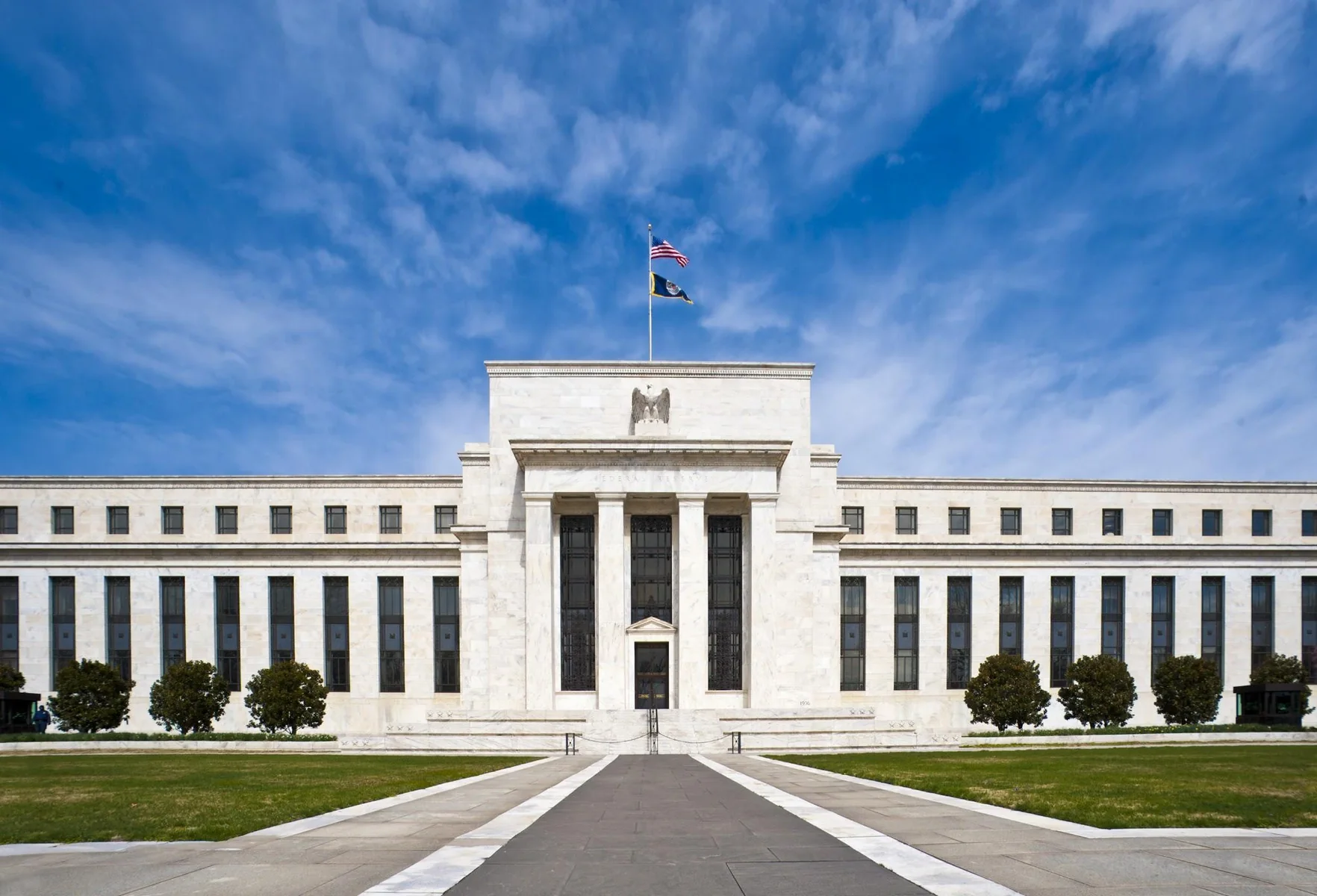
On September 16, 2026, the Federal Reserve did something it had not done in more than three years: it raised interest rates. The Federal Open Market Committee lifted its benchmark federal funds rate by 25 basis points to a target range of 3.75% to 4.00%, reversing the cut it delivered in December 2025 and ending a nine-month pause. The vote was 12-0. For a central bank that spent most of 2024 and 2025 easing policy, the unanimous decision marked a sharp change in direction, and officials signaled that it may not be the last move of the year.
Why the Fed Reversed Course
Inflation drove the decision. Fed staff estimated that prices measured by the Personal Consumption Expenditures (PCE) index, the central bank’s preferred gauge, rose 3.8% from a year earlier in August, with core PCE, which strips out food and energy, at 3.4%. Both figures sit well above the Fed’s 2% target. Energy has been a major contributor. The conflict involving Iran and disruptions around the Strait of Hormuz pushed oil prices higher through much of 2026, and those costs have filtered into transportation, manufacturing, and household bills. Earlier in the year the Fed described elevated inflation as partly the result of supply shocks. The September statement dropped that language and said simply that inflation remains elevated, a signal that officials no longer see the problem as temporary.
A Strong Economy Gives the Fed Room
Rate hikes slow the economy by making borrowing more expensive, so central banks prefer to raise rates when growth can absorb the hit. By the Fed’s own assessment, it can. The statement described economic activity as expanding at a solid pace, and updated projections raised the forecast for 2026 GDP growth to 2.3% while lowering the expected year-end unemployment rate to 4.1%. A tight labor market cuts both ways. It means households are still earning and spending, but it also means wage growth can keep feeding price increases. With unemployment low and investment strong, policymakers judged that the greater risk was letting inflation become entrenched rather than slowing growth too much.
What the Projections Say
Alongside the decision, the Fed released its quarterly Summary of Economic Projections. Officials raised their median forecast for 2026 PCE inflation to 3.7%, up from 3.6% in June. The so-called dot plot, which maps where each official expects rates to be, pointed to one more quarter-point increase before the end of the year. Minutes of the meeting, released on October 7, added an important detail. All 19 Fed officials, including the seven who do not hold a vote this year, supported the hike. That level of agreement is unusual at a turning point in policy and suggests the committee is not deeply divided about the direction, only about the pace.
Markets and Politics
Investors had largely expected the move, but the tone still mattered. The dollar strengthened after the announcement while gold and stock futures pulled back, a typical reaction when a central bank signals that rates will stay higher for longer. Treasury yields climbed for several weeks, and mortgage applications fell as borrowing costs rose. The decision also carried political weight. The White House has publicly pushed for lower rates, and the hike was the first major test of independence for Chair Kevin Warsh. A unanimous vote to tighten policy, despite that pressure, was read by many analysts as evidence that the Fed is still setting rates based on economic data.
Conclusion
The September hike closes the chapter on the easing cycle that began in 2024. The Fed meets again on October 27 and 28, and as of early October markets put the odds of another increase at that meeting at roughly one in four, with a move by December fully priced in. September’s inflation report will shape that debate. For households, the message is practical: mortgages, car loans, and credit card balances are likely to stay expensive, while savings accounts will keep paying more. For the Fed, the challenge is the same one every central bank faces at this stage, which is to cool prices without tipping a healthy economy into a downturn.