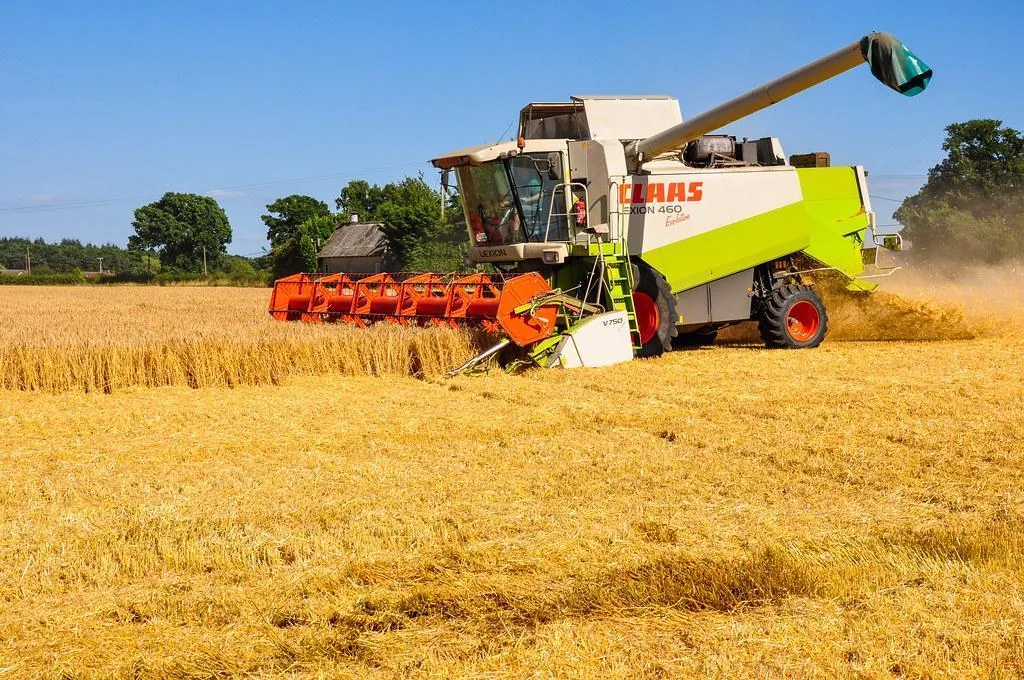
A farmer planting wheat in the spring has no idea what it will sell for in the fall. A bakery has the opposite worry: that the price of flour will jump. Futures contracts were invented to solve this problem. They let buyers and sellers agree on a price today for a transaction that will take place later.
What a Futures Contract Is
A futures contract is a legal agreement to buy or sell a specific quantity of an asset at a set price on a set future date. The contracts are standardized and traded on exchanges. Each one specifies exactly what is being traded, how much, and when it is due. Modern futures trading traces back to the Chicago Board of Trade, founded in 1848 to bring order to the grain market. Today futures exist for oil, natural gas, gold, corn, cattle, currencies, interest rates, and stock indexes. Unlike an option, which gives the holder a choice, a futures contract is an obligation for both sides.
Hedgers and Speculators
Two kinds of traders use these markets. Hedgers are businesses trying to reduce risk. The farmer sells wheat futures to lock in a price for the harvest. An airline buys fuel futures to protect itself against rising costs. Each gives up the chance of a better price in exchange for certainty. Speculators have no interest in the underlying product. They are betting on which way prices will move. They are sometimes blamed for volatility, but they take on the risk that hedgers want to shed and make it easier for anyone to find a trading partner.
Margin and Leverage
Futures traders do not pay the full value of a contract. They post a deposit called margin, often only a small percentage of the total. This creates leverage: a modest price change produces a large gain or loss relative to the money put down. Accounts are settled every day. If the market moves against a trader, the loss is deducted immediately, and if the balance falls too low, the broker issues a margin call demanding more money. Traders who cannot pay have their positions closed, and losses can exceed the original deposit.
Settlement
Most futures contracts never end in delivery. Traders close their positions before the expiration date by making an offsetting trade. Many contracts, including those on stock indexes, are settled in cash. Physical delivery still matters. In April 2020, with demand for oil collapsing and storage tanks nearly full, traders holding U.S. crude oil futures that were about to expire had nowhere to put the oil. They paid others to take the contracts off their hands, and the price briefly fell below zero for the first time.
Conclusion
Futures began as a practical tool for farmers and merchants and grew into one of the largest markets in the world. They allow businesses to plan with confidence and give the economy a public, constantly updated estimate of what things will cost in the months ahead. The leverage that makes them efficient also makes them dangerous. For that reason, futures trading is generally best suited to businesses managing real risks and to experienced investors.