
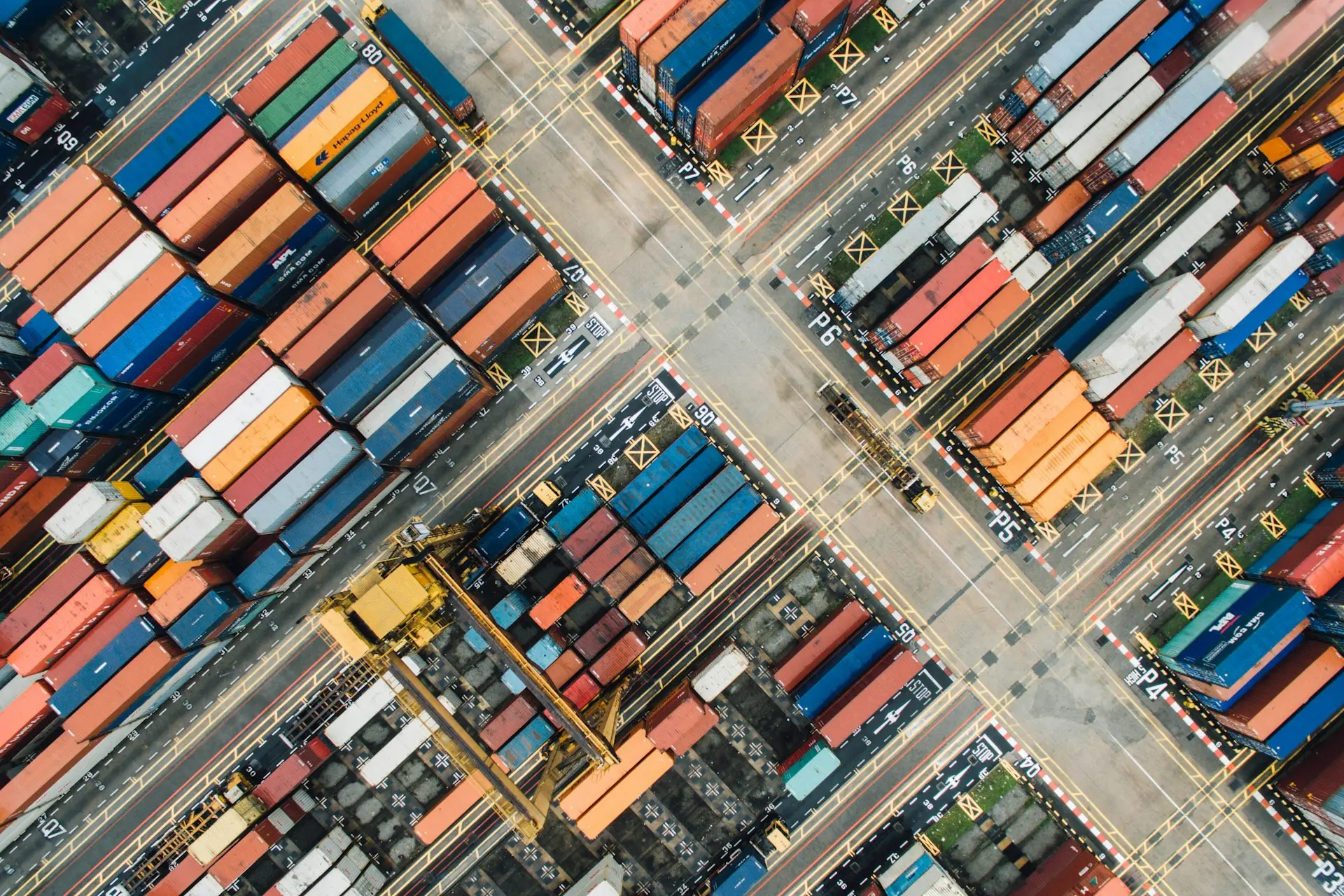
The resumption of trade through the Red Sea shipping routes in February 2025 was instrumental in catalyzing the world's economy. Naval escorts and cease-fire negotiations made it possible for commercial vessels to transit the Bab el-Mandeb strait that had been closed for several months.
Shipping costs fell by 40% and eased supply chain pressures for automobiles, electronics, and other consumer goods.
Impacts on World Trade

European manufacturers that use Asian suppliers and raw materials were among the first to benefit from the reopened sea route. The Baltic Dry Index—a measure of shipping costs—showed a significant decline to near pre-crisis levels. In addition, oil tankers resumed their operations, ensuring cheap and steady supplies of energy to European consumers.
For shippers and manufacturers in India and Southeast Asia, the new commercial route has reduced the time of transportation by almost 10 days. This is a considerable factor in the competitiveness of their exports.
Insurance Companies and Security

Insurance companies sharply reduced the risk premium on shipments through the Red Sea from 1% of the value of the cargo to less than half of that amount. A security corridor was created along the Red Sea border by the countries bordering it; this is the most substantial effort at security coordination in the region in decades. The newly established safety zone utilized satellite surveillance and naval patrols.
Normalization of the Supply Chains
Worldwide inflation figures began to decline in early 2025. Reduced shipping costs contributed to the decrease in the cost of imported goods in many countries. As a result, banks and financial markets benefited from the downward spiral of prices—a phenomenon known in economics as the "invisible" reduction in interest rates.

Conclusion
The reemergence of the Red Sea as a trade route has improved global markets and proved the interdependence of the world economy. The resumption of commercial traffic through one of the busiest straits in the world has significant geopolitical implications as well as economic ones.