Source: https://www.theguardian.com/technology/2024/sep/15/data-center-gas-emissions-tech
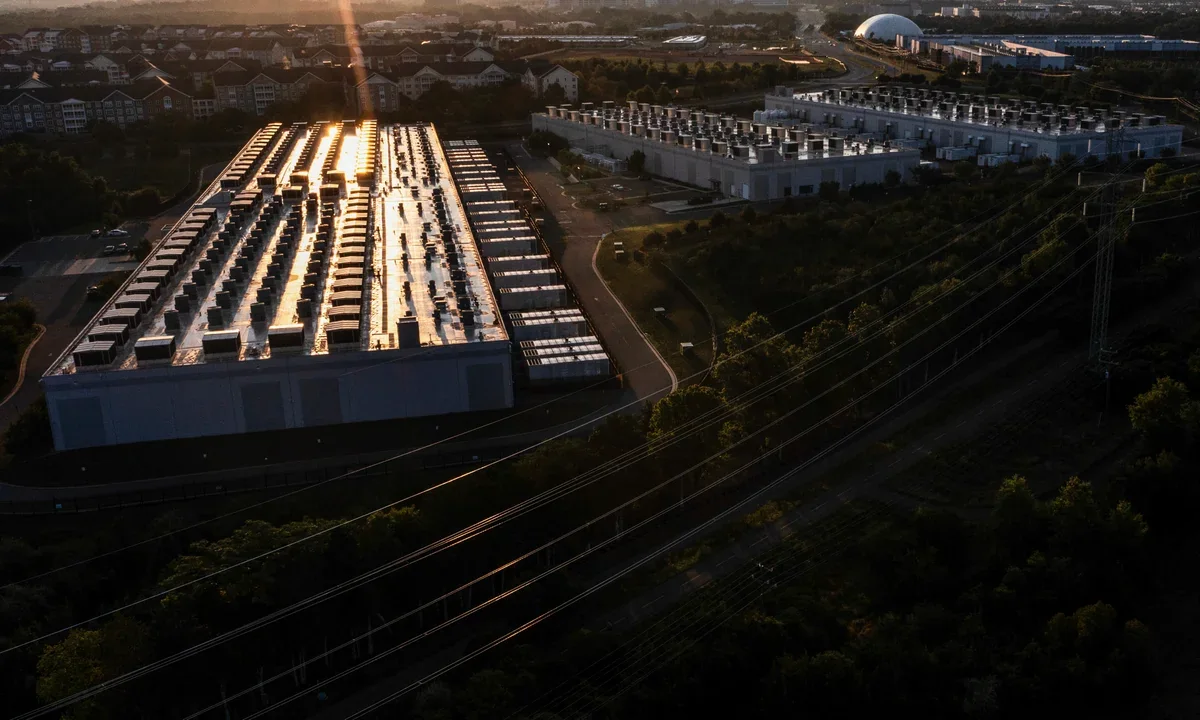
Massive data centers require an absolutely absurd amount of electricity to keep servers, cooling systems, and networking equipment running at all times. With the rise of more and more data-intensive processes like generative artificial intelligence and cloud-based data analysis, the environmental impact of electricity consumption in the data center industry has become a major concern. Data centers in the past have been focused on throughput and uptime, while largely ignoring the carbon footprint of the momentary grid electricity that they draw on to power their servers. With more companies pushing for carbon neutrality and some grids being under strain from extreme electricity demand, the data center industry is looking to make the switch to green computing. Carbon-aware scheduling algorithms and dynamic voltage and frequency scaling are two such proposals that seek to reduce the overall energy consumption and carbon emissions of data centers, particularly during peak electricity usage periods. Carbon-aware scheduling makes it possible to shift non-time-sensitive batches of computing tasks to different times or even different data centers, if those are running on a significantly better electricity mix. The electricity grid mix varies wildly depending on the time of day and year and the local electricity production mix, which can involve a combination of renewables like wind turbines and fossil fuel power plants. Most data centers in the past have focused on simply getting a task done as soon as possible after it has been processed, or using an energy-cost-based algorithm which fails to take into account the carbon intensity of the grid electricity mix at the moment of processing. Carbon-aware scheduling algorithms, by contrast, use specialized carbon intensity APIs and predictive grid carbon output models to estimate the best time to process a given set of tasks. If a batch of files needs to be backed up or a machine learning model trained, the algorithm can shift this task to a later point in time when wind and solar power generation is predicted to ramp up, or to a different data center with a lower carbon intensity grid mix. This significantly reduces the carbon emissions of the data center without negatively impacting the quality of service of applications that rely on the batch processes. While shifting entire sets of batch processes consumes less electricity, there are also algorithms that attempt to directly reduce the electricity consumption at the hardware level while maintaining stable throughput. Dynamic voltage and frequency scaling works by constantly analyzing the current CPU core occupancy, memory bandwidth utilization, and thermal headroom in order to reduce the voltage and clock speed of the processors in a given server. Modern central processing units consume less power the less clock cycles they perform per second, and this reduction is not linear but rather follows a cubic function for the input voltage. When less demanding tasks are processed, or the data center is underutilized, the dynamic voltage and frequency scaling algorithm can reduce the core voltage and clock speed, reducing the overall power consumption of the server. When more power-hungry tasks are requested, the voltage and frequency are increased again, in order to meet the higher processing needs of modern applications. Through this mechanism, data centers that utilize dynamic voltage and frequency scaling can effectively turn off unused server components and reduce the overall strain on the electricity grid during peak hours. Altogether, the combination of carbon-aware scheduling and dynamic voltage and frequency scaling can provide substantial benefits to a data center that wishes to reduce its electricity consumption and carbon emissions. The former practice provides an important respite to the local electricity grid during peak demand periods, while the latter method allows the data center to right-size its server power consumption to match the current processing needs. Taken together, these two practices allow the data center to become a more valuable participant in the electricity market and reshape its role as a major consumer of electricity into a responsive supplier of electricity, capable of reducing its overall electricity consumption during local power shortages.
Sources
https://www.iea.org/reports/energy-and-ai/energy-supply-for-ai https://www.opencompute.org/documents/dcf-sustainability-metrics-final-r3-docx-pdf/