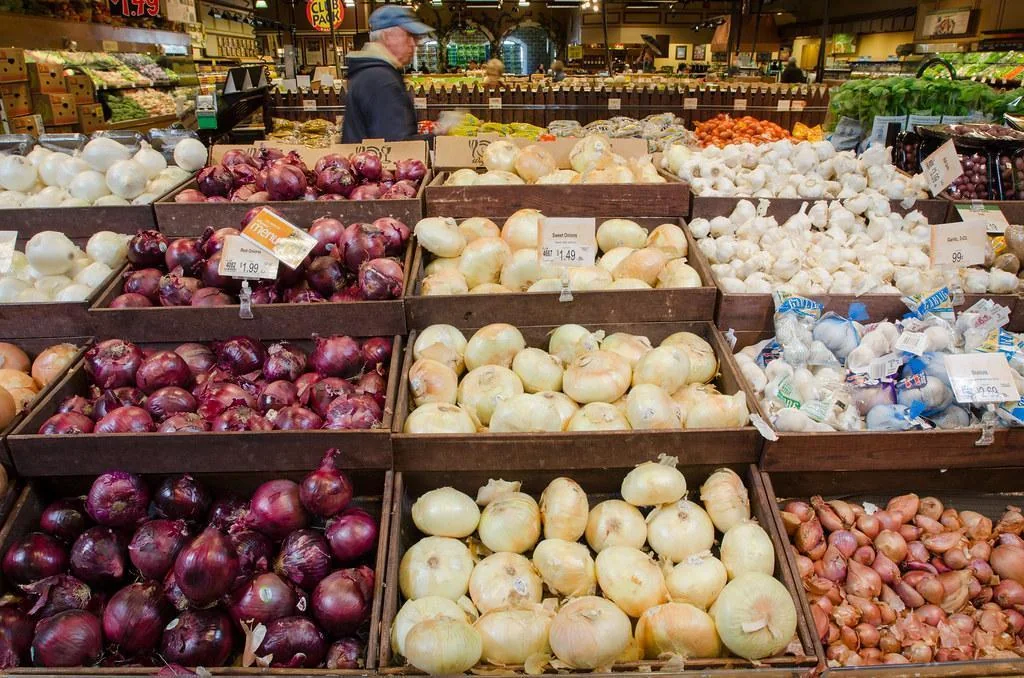
Inflation is the gradual rise in the prices of goods and services over time. When inflation is running at 3%, something that cost $100 last year costs about $103 today, and each dollar buys a little less than it used to. It is one of the most closely watched numbers in economics because it touches every paycheck, savings account, and loan.
How Inflation Is Measured
In the United States, the best-known measure is the Consumer Price Index, or CPI. Government statisticians track the prices of a fixed basket of items that a typical household buys, including food, housing, fuel, clothing, and medical care, and report how the total cost changes each month. The Federal Reserve prefers a related measure called the Personal Consumption Expenditures price index, or PCE, which covers a broader range of spending. Economists also look at core inflation, which leaves out food and energy. Those prices swing sharply from month to month, so removing them gives a clearer view of the underlying trend.
What Causes Prices to Rise
Economists generally group the causes into two categories. Demand-pull inflation happens when consumers and businesses want to buy more than the economy can produce. With too much money chasing too few goods, sellers raise prices. This often follows periods of low interest rates or heavy government spending. Cost-push inflation starts on the supply side. When the cost of producing goods rises, because of higher oil prices, supply chain disruptions, or rising wages, companies pass those costs on to customers. Expectations matter as well. If workers expect prices to rise, they ask for higher pay, and businesses raise prices to cover it, which can keep inflation going even after the original cause has faded.
Who Wins and Who Loses
Inflation does not affect everyone equally. People on fixed incomes and savers holding cash lose purchasing power, since their money buys less each year. Workers fall behind if their wages rise more slowly than prices. Borrowers with fixed-rate debt can come out ahead, because they repay their loans with dollars that are worth less than the ones they borrowed. Owners of assets such as real estate and stocks often see values rise along with prices, which is one reason high inflation can widen the gap between those who own assets and those who do not.
How Central Banks Respond
Most major central banks, including the Federal Reserve, aim for inflation of about 2% a year. A small, steady increase is considered healthy because it encourages spending and investment and gives policymakers room to act in a downturn. When inflation runs too high, central banks raise interest rates. Higher rates make borrowing more expensive, which slows spending and eases the pressure on prices. The risk is that they slow the economy too much and cause a recession. Falling prices, known as deflation, are a danger too, because consumers delay purchases and debts become harder to repay.
Conclusion
Inflation is a normal feature of a growing economy, and in small doses it does little harm. Problems arise when it climbs quickly or becomes unpredictable, because households and businesses can no longer plan with confidence. Understanding inflation helps explain many everyday decisions, from why central banks change interest rates to why money left in a low-interest account slowly loses value. For savers, the practical lesson is that a return only matters after inflation has been subtracted.