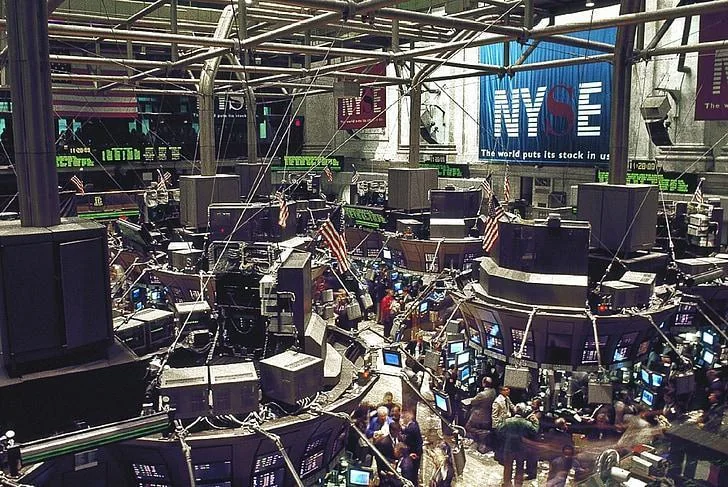
Every publicly traded company, from Apple to the newest technology startup on the exchange, began as a private business owned by a small group of founders and investors. The moment it first sold shares to the general public is called an initial public offering, or IPO. It is one of the most important events in a company’s life, and one of the most closely watched in financial markets.
Why Companies Go Public
The main reason is to raise money. Selling shares to the public can bring in far more capital than private investors are able or willing to provide, and unlike a loan, it never has to be repaid. Companies use the proceeds to build factories, hire staff, fund research, or pay down debt. An IPO also gives early backers a way to cash out. Founders, employees with stock options, and venture capital firms often hold shares for years with no easy way to sell them. Once the stock trades on an exchange, those holdings can be turned into cash. A public listing also raises a company’s profile and gives it a form of currency, its own stock, that it can use to acquire other businesses.
How the Process Works
A company planning an IPO hires investment banks, known as underwriters, to manage the sale. In the United States, the company must file a registration statement with the Securities and Exchange Commission, usually a document called Form S-1. It lays out the firm’s finances, business model, and risks so that investors can judge it for themselves. Next comes the roadshow, a series of presentations in which executives pitch the company to large investors such as pension funds and mutual funds. The underwriters record how many shares those investors want and at what price, a process called book building. The night before trading begins, the banks and the company settle on a final offering price. The next morning, the shares open on an exchange such as the New York Stock Exchange or Nasdaq, and anyone can buy them.
The First-Day Pop
IPO shares often jump on their first day of trading. This happens because underwriters tend to set the offering price slightly below what they believe the market will pay. A rising stock generates positive headlines and rewards the large investors who bought in early. The practice has critics. If a stock priced at $20 opens at $30, the company sold its shares for a third less than buyers were willing to pay, and that difference went to investors rather than to the business. This is sometimes described as leaving money on the table, and it is one reason some firms have experimented with alternatives such as direct listings.
Risks for Investors and Companies
A strong first day does not guarantee long-term success. Newly public companies usually have short track records, and excitement can push prices beyond what profits justify. Facebook went public at $38 a share in 2012, fell sharply in the following months, and took more than a year to return to its offering price. Investors should also watch the lock-up period. Insiders are typically barred from selling their shares for 90 to 180 days after the IPO. When that period ends, a wave of selling can push the price down. For the company, going public brings costs as well as cash. Underwriting fees can reach several percent of the money raised. Public companies must publish detailed financial results every quarter, answer to thousands of shareholders, and face pressure to meet short-term earnings targets.
Conclusion
An IPO is the bridge between private ownership and public markets. It lets companies raise capital on a scale that private funding rarely matches, and it gives ordinary investors a chance to own part of a growing business. It also comes with trade-offs: scrutiny, cost, and volatility. For investors, the lesson is to look past first-day excitement and read what the company actually discloses about its finances. The filing, not the headline, is where the real story is told.