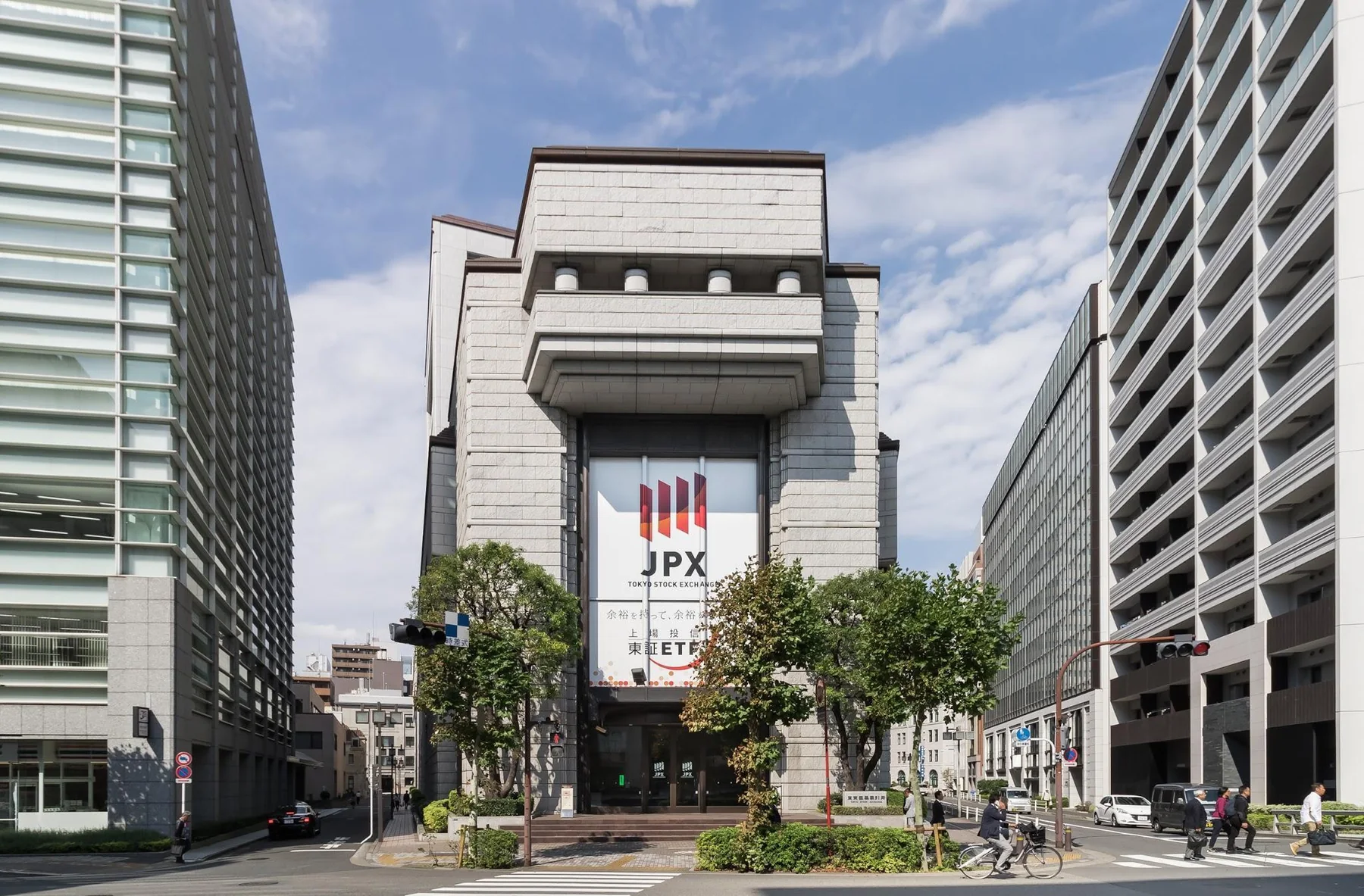
Japan’s stock market has spent 2026 rewriting its own record book. The Nikkei 225, the country’s benchmark index, first touched 70,000 during trading on June 16 and closed above that level two days later, finishing at 71,053.49 on June 18. In early October it was still trading near 70,900, even as the Bank of Japan raised interest rates to their highest level in three decades. For a market that took 34 years to recover from its 1989 peak, the speed of the climb is the real story.
From Lost Decades to Record Highs
The Nikkei peaked at 38,915 on December 29, 1989, at the height of Japan’s asset bubble. When that bubble burst, the index entered a decline that lasted a generation, bottoming out near 7,055 in March 2009 after the global financial crisis. It did not surpass its 1989 high until February 2024. What followed was a run few predicted. The index crossed 40,000 in March 2024, 50,000 in October 2025, and 60,000 in April 2026. The move from 60,000 to 70,000 took less than two months. In the second quarter of 2026 alone the Nikkei gained about 37%, reported as its best quarterly performance since 1965.
What Is Driving the Rally
Two forces explain most of the surge. The first is artificial intelligence. Japan is home to several of the companies that build the machines and materials needed to manufacture advanced chips, and global spending on AI data centers has lifted their earnings and share prices. Because the Nikkei is weighted by share price rather than company size, a handful of expensive technology stocks can move the whole index. The second is geopolitics. Japan imports nearly all of its oil, so the conflict involving Iran and the disruption of shipping through the Strait of Hormuz weighed on the market earlier in the year. When the United States and Iran signed a memorandum ending hostilities in June, investor sentiment improved quickly, and the first close above 70,000 came that same week.
Rising Rates, Rising Stocks
Higher interest rates usually hurt stocks, which makes Japan’s situation unusual. On June 16 the Bank of Japan raised its policy rate from 0.75% to 1%, the highest in 31 years. The Nikkei hit 70,000 for the first time that same afternoon. The explanation lies in expectations. The increase had been widely anticipated, so it removed uncertainty rather than adding it. A 1% rate is also still low by global standards, and many investors read the Bank of Japan’s willingness to tighten as a sign that the country has finally escaped decades of deflation. Higher rates also help Japanese banks and insurers, which earn more on loans and bonds.
A Narrow Rally
The headline number hides a weaker picture underneath. On the day the Nikkei first reached 70,000, roughly 70% of stocks on the Tokyo exchange’s Prime section fell, and the broader TOPIX index declined. The gains were concentrated in a small group of AI and semiconductor names. Analysts call this narrow breadth, and it is a common warning sign. When a few companies carry an index, any disappointment in their earnings can pull the entire market down. Strategists in Tokyo have questioned whether corporate profits are growing fast enough to justify current prices, and the index has spent the months since June moving sideways rather than extending its gains.
Conclusion
The Nikkei’s rise past 70,000 reflects real change in Japan: the return of inflation, a central bank acting normally again, and companies positioned at the center of the AI supply chain. It also reflects a concentration of bets on one industry. Whether the index holds its ground will depend on earnings from chip-related firms, the pace of further Bank of Japan rate increases, and stability in energy markets. For now, a market once used as the textbook example of stagnation has become one of the strongest performers in the world.