
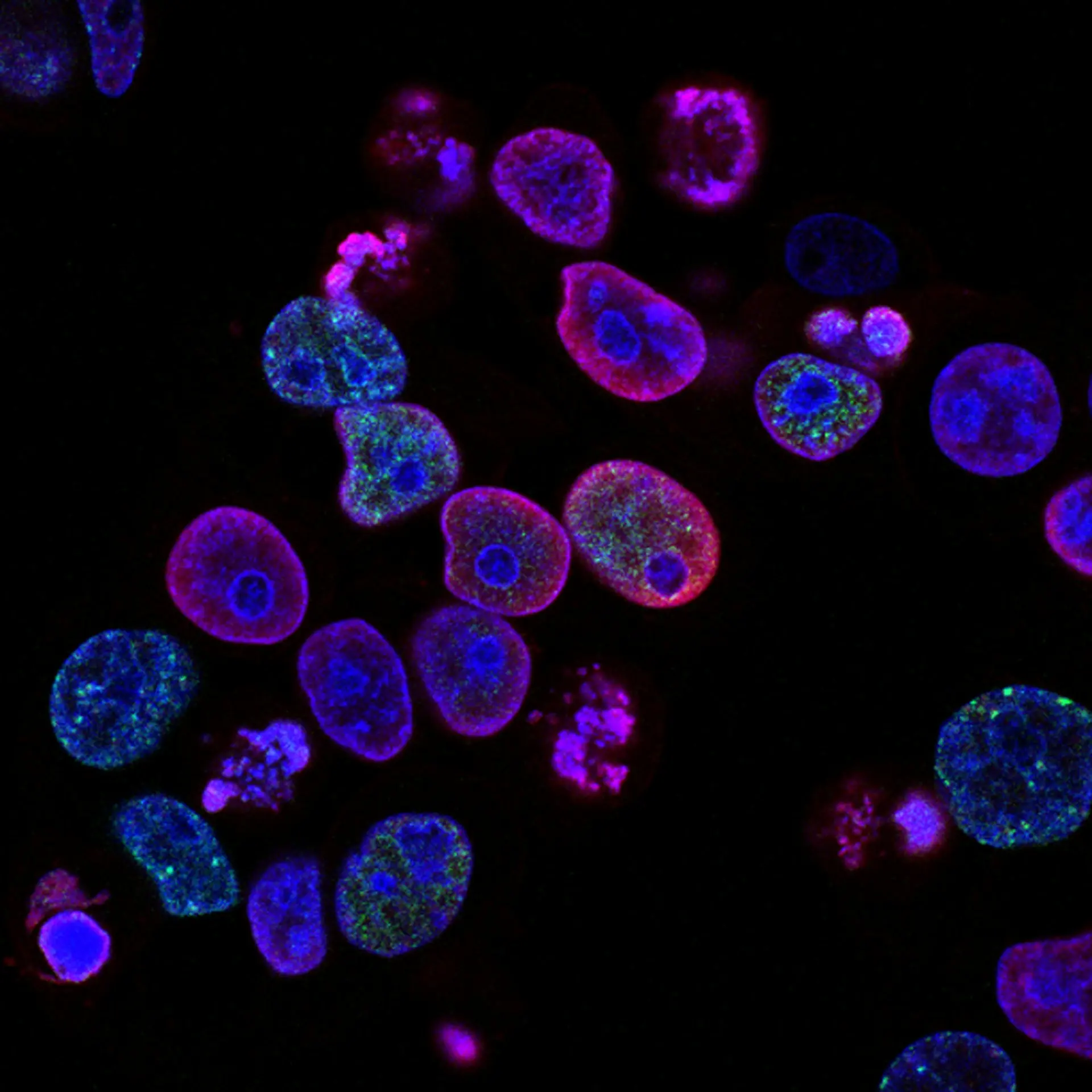
The development of neurodegenerative disorders is undoubtedly one of the main issues in contemporary medicine. Alzheimer's disease, Parkinson's disease, Huntington's disease, and amyotrophic lateral sclerosis are examples of neurodegenerative disorders that gradually destroy the neurons, resulting in an irreversible loss of cognitive and motor skills. With the increase in the longevity of the population, this problem affects not only the patients themselves but also their whole families and healthcare organizations. It becomes vital to find biological markers that will help detect these disorders at an early stage.
Though there may be multiple reasons for the development of neurodegeneration, all of them tend to be associated with several common mechanisms: protein misfolding, oxidative stress, mitochondria malfunction, and inflammation. Neurodegeneration is characterized by a breakdown in normal cell functioning in the brain.
The Molecular Underpinnings of Neurodegeneration
When viewing neurodegenerative conditions at a microscopic level, what is strikingly similar about all these conditions is the formation of misfolded proteins that adversely affect the functioning of cells. In Alzheimer's disease, beta-amyloid plaques and tau tangles interfere with the functionality of the synaptic network involved in memory and learning. In Parkinson's disease, alpha-synuclein aggregates form Lewy bodies, causing damage to dopamine-producing cells in the substantia nigra area. Gradually, inflammation and cell death caused by these toxic masses spread throughout the brain.
However, research has shown that protein aggregation could occur many years before the first symptoms manifest. Early imaging studies have demonstrated some metabolic and inflammatory changes that take place before cognitive problems arise. This has led to the emergence of a new paradigm of predictive neurology.
Early Detection of Biomarkers
In order to diagnose a disease at an early stage and monitor its development, reliable biomarkers should be detected. Blood samples, cerebrospinal fluid (CSF), and new imaging technologies can help to look inside brain functions. The fluctuations in the levels of tau and amyloid-beta in CSF are considered promising biomarkers for the early diagnosis of Alzheimer's, while the increase in NfL in blood indicates the neuronal damage in many diseases.
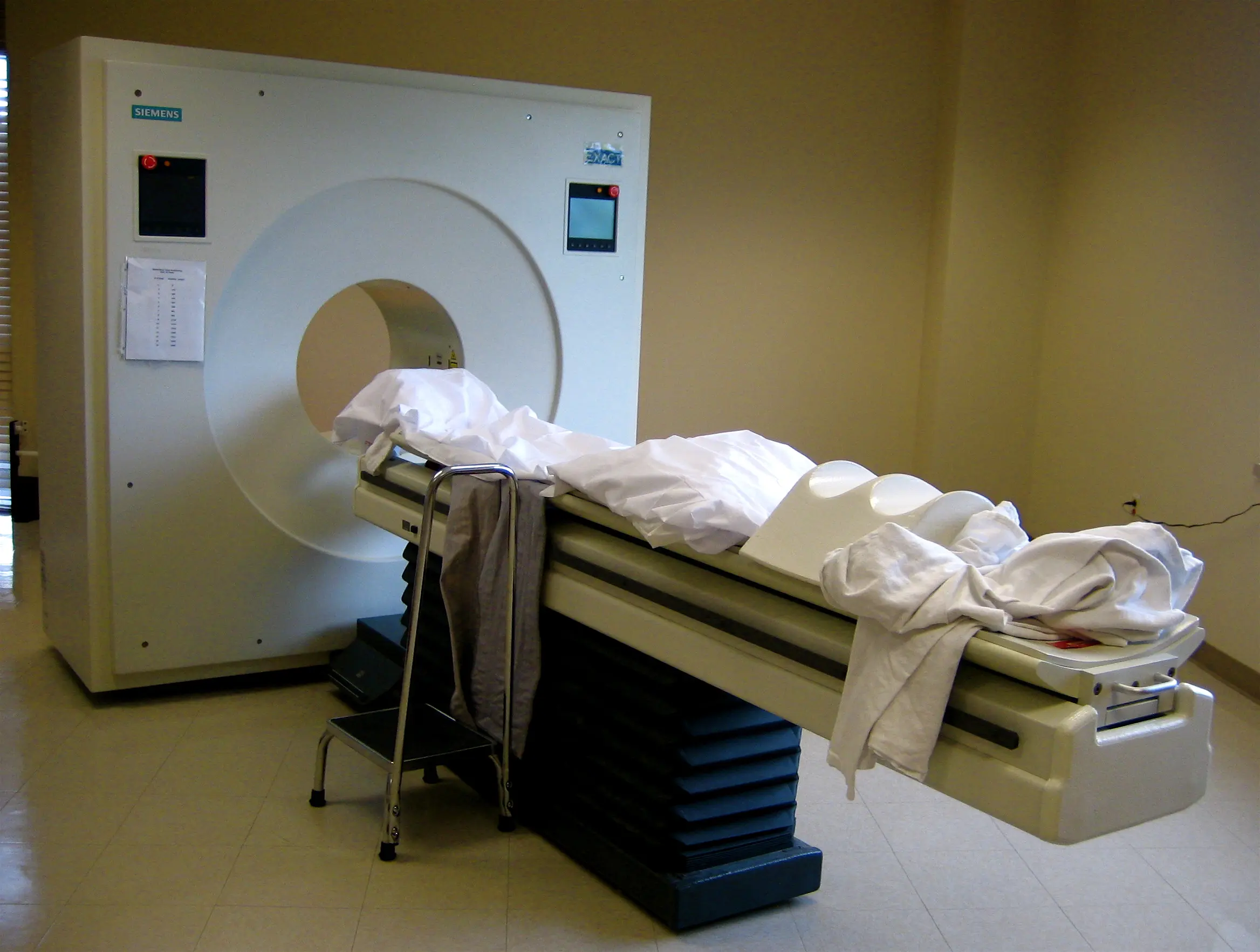
Furthermore, PET scans and high-resolution MRI are used to visualize the process of protein aggregation and neuroinflammation in vivo. Using modern technologies in artificial intelligence, researchers can combine the information obtained using biomarkers with genetic and environmental factors that can predict the risk of developing certain conditions. With the help of machine learning and analysis of thousands of scans, even minimal changes become visible to scientists.

New Treatments and Promising Solutions
Whereas diagnosis has become easier, treatment is still an area of difficulty. Standard medication merely manages the symptoms but does nothing to halt the disease process itself. Nonetheless, there is hope as new treatments are addressing the underlying pathogenesis. Immunotherapy treatment involves monoclonal antibodies which will target misfolded proteins and eliminate their presence from the brain. The treatment is already showing success by decreasing the accumulation of amyloid plaque. Other possible methods include mitochondrial health restoration, alleviation of oxidative stress, and neuronal regeneration using stem cells.
Precision medicine also brings a whole new dimension to the world of neurodegeneration. The way we understand these diseases may soon change as physicians might treat the patients based on their personal genetic risks, inflammation status, and metabolism instead of having the uniform treatment protocol for all Alzheimer's or Parkinson's patients. This is similar to the development of cancer medicine during the last two decades.
Conclusion
Neurodegenerative diseases are a challenge both to the capacity of science and the compassionate approach society has towards the elderly generation. Early diagnosis will allow transforming the inevitable process into a controllable one. The development of reliable biomarkers will change the paradigm by which doctors diagnose, monitor, and treat neurological disorders – changing them from being death sentences to becoming manageable illnesses.
In light of the growing age of the world’s population, the battle against neurodegenerative disease cannot be viewed merely as a scientific problem; it has become a moral one. Every step towards the solution of the problem brings humans closer to understanding the mystery of the human brain and retaining human essence.