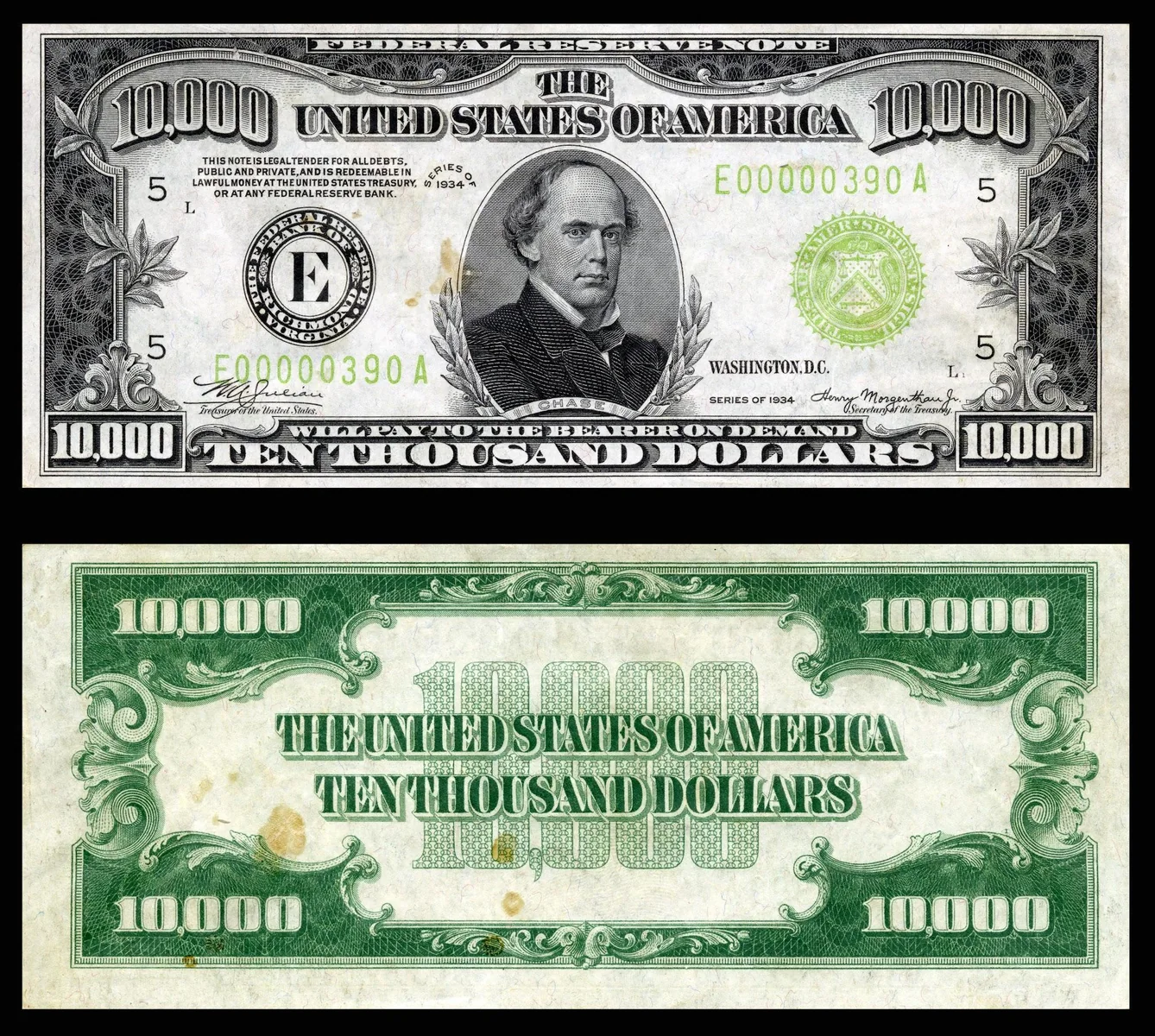
Central banks normally steer the economy by raising or lowering short-term interest rates. But what happens when rates are already near zero and the economy still needs help? The answer developed over the past two decades is quantitative easing, or QE, a policy often described, loosely, as printing money.
How It Works
In quantitative easing, a central bank buys large amounts of financial assets, mainly government bonds and sometimes mortgage-backed securities, from banks and other investors. It pays with newly created electronic money, which appears as reserves in the banking system. No physical cash is printed. The purchases push bond prices up and their yields down. Since many other interest rates follow government bond yields, borrowing becomes cheaper for homebuyers and businesses. Investors who sold their bonds also look for other places to put the money, which lifts the prices of stocks and corporate debt.
When It Has Been Used
The Bank of Japan pioneered the approach in 2001 while fighting years of falling prices. The policy became global after the 2008 financial crisis, when the Federal Reserve cut rates to nearly zero and began buying bonds on a scale never seen before. The European Central Bank and the Bank of England followed. Central banks turned to it again in 2020 as the pandemic shut down economies. The Federal Reserve’s balance sheet, which was under $1 trillion before 2008, grew to nearly $9 trillion by 2022.
The Arguments For and Against
Supporters credit QE with preventing deeper recessions. By keeping credit flowing and calming financial markets, it supported jobs and helped economies recover when ordinary rate cuts were no longer possible. Critics raise several concerns. Because QE raises asset prices, its benefits go mostly to people who already own stocks and property, which can widen inequality. Years of cheap money may encourage excessive risk-taking and debt. Many economists also argue that the huge purchases made in 2020 and 2021 contributed to the inflation that followed.
Reversing Course
The opposite of QE is quantitative tightening, or QT. Instead of buying bonds, the central bank lets the ones it holds mature without replacing them, or sells them outright. This removes money from the financial system and puts upward pressure on long-term interest rates. Unwinding is delicate. Withdraw support too quickly and markets can seize up, which is why central banks shrink their holdings gradually and announce their plans well in advance.
Conclusion
Quantitative easing began as an emergency measure and has become a standard part of the central bank toolkit. It gives policymakers a way to support the economy when interest rates cannot go any lower. Its long-term effects are still debated. What is clear is that central bank balance sheets now play a far larger role in financial markets than they did a generation ago.