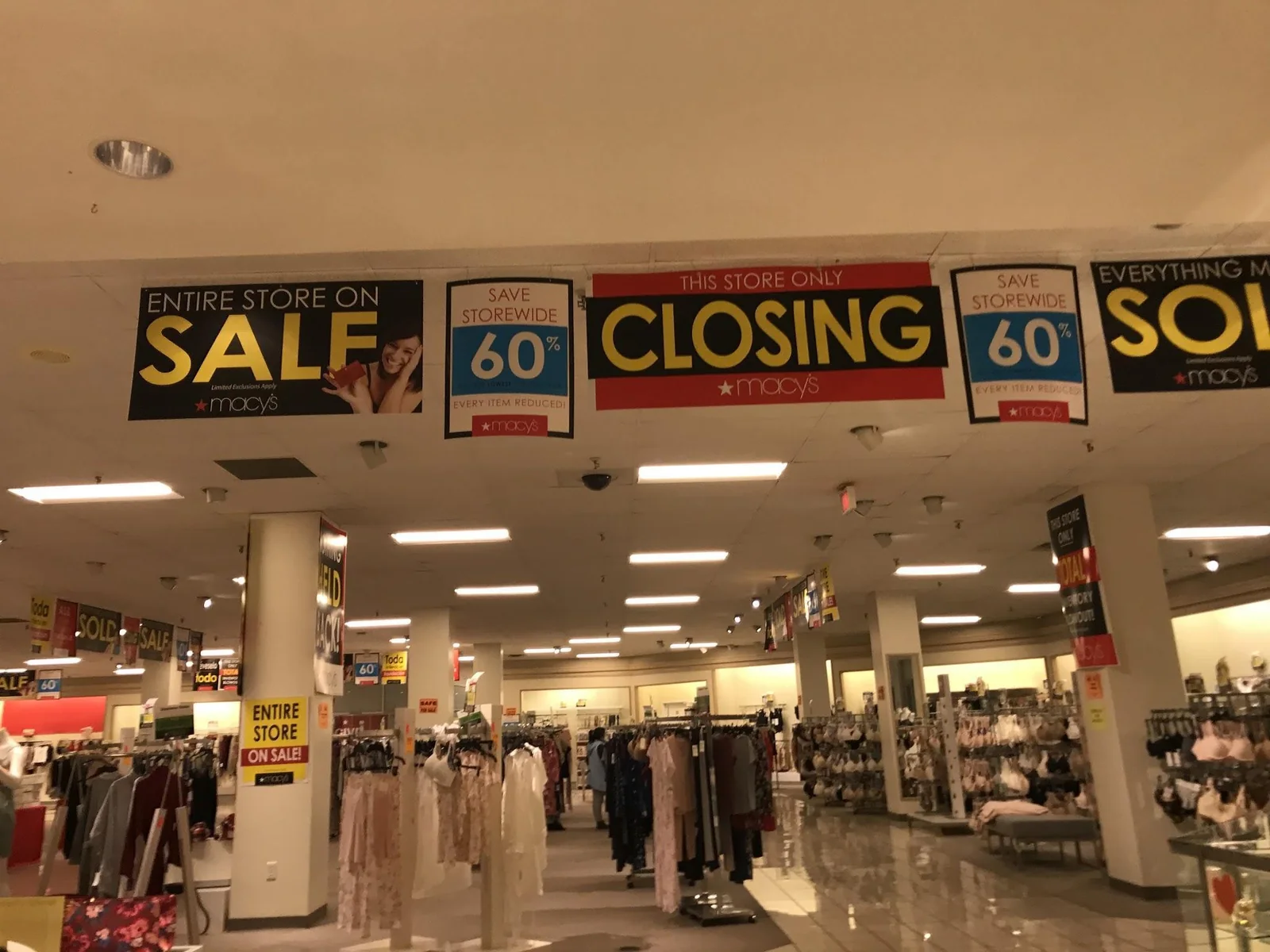
Economies do not grow in a straight line. Periods of expansion are interrupted by downturns in which businesses cut back, jobs disappear, and incomes fall. These downturns are called recessions. They are painful but normal, and understanding them makes economic headlines far easier to interpret.
What Counts as a Recession
A common rule of thumb defines a recession as two consecutive quarters of shrinking gross domestic product. In the United States, the official call is made by a committee at the National Bureau of Economic Research, which uses a broader definition: a significant decline in economic activity that is spread across the economy and lasts more than a few months. The committee looks at employment, income, consumer spending, and industrial production, not only GDP. Because it waits for reliable data, it usually announces a recession many months after it has started.
What Causes Them
Recessions have different triggers. Some follow interest rate increases, when a central bank raises borrowing costs to fight inflation and spending slows more than intended. Some follow the collapse of a bubble, as in 2008, when falling home prices led to a banking crisis. Others come from outside shocks, such as a sudden jump in oil prices or the pandemic of 2020. Whatever the trigger, the pattern is similar. Spending falls, so businesses earn less. They cut jobs and investment, which reduces household income and causes spending to fall further.
What Happens During One
The most visible effect is rising unemployment. Companies stop hiring, lay off workers, and delay expansion. Stock prices usually fall, often before the recession officially begins, because investors anticipate lower profits. Banks become more cautious about lending. The burden is uneven. Younger workers, those with less education, and people in industries such as construction and manufacturing tend to be hit hardest, and people who graduate into a weak job market can see lower earnings for years.
How Governments Respond
Policymakers have two main tools. Central banks use monetary policy, cutting interest rates to make borrowing cheaper and encourage spending. Governments use fiscal policy, increasing spending or cutting taxes to put money into the economy. Programs such as unemployment insurance work automatically, supporting incomes as soon as people lose jobs. These responses can shorten a downturn, though they carry costs, including higher public debt and the risk of inflation later.
Conclusion
Recessions are a recurring part of the business cycle. In the United States since World War II, they have typically lasted less than a year, while expansions have lasted much longer. The 2020 recession lasted only two months, the shortest on record. They cannot be predicted reliably, but they can be prepared for. Emergency savings, manageable debt, and a long-term view of investing are the most dependable protections for households.