
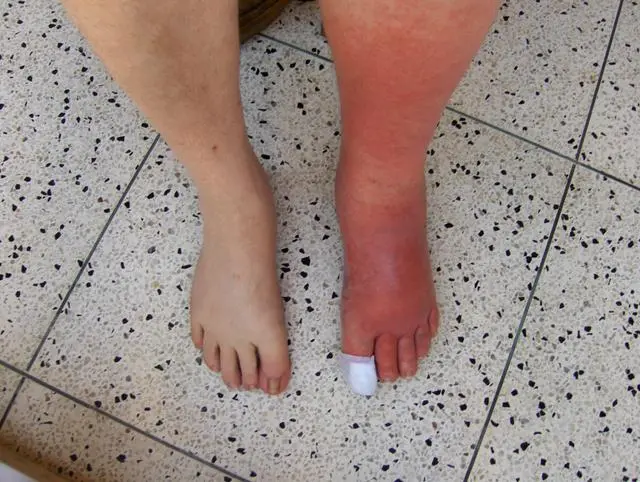
Recurrent cellulitis is a recurrent bacterial skin infection that is informed by biological vulnerability and social inequity. The paper discusses physiological, clinical, and social factors that contribute to its recurrence and prevention.
Introduction
Cellulitis is a bacterial infection of the skin and subcutaneous tissues that affects many individuals worldwide and causes 14 million incidents in the United States annually. The condition presents with redness, warmth, swelling, pain, and fever and is primarily treated with antibiotics. However, some patients experience recurrent episodes of the disease, which causes significant distress and increases the morbidity risk.
The most common bacteria leading to cellulitis are Streptococcus pyogenes and Staphylococcus aureus, including methicillin-resistant S. aureus (MRSA), which presents with greater treatment difficulties. Although the diagnosis is clinical, the treatment always involves antibiotics. However, the development of bacterial resistance requires additional interventions, such as compression and antifungal drugs, to reduce the risk of further occurrences. The predisposing conditions associated with recurrence include lymphedema, tinea pedis, and chronic venous insufficiency of the lower limbs, which compromise the integrity of the skin barrier.
In addition, the patients' structural inequality decreases access to antibiotics, compression bandages, and public health resources, which negatively affects the prevention and management of recurrent cellulitis. The paper therefore discusses the prevention and management of recurrent cellulitis.
Understanding Recurrent Cellulitis
Generally, recurrent cellulitis is defined as two or more occurrences of the disease within a year or after several years of recovery from the infection. According to a 2015 study, 57% of patients experiencing an acute episode of the infection were diagnosed with recurrence within five years, as compared to 26% of those without a history of the disease.
The symptoms of recurrent cellulitis are similar to those present during an acute episode but progress faster in patients with certain predispositions. The infection causes redness, warmth, swelling, and tenderness of the affected area and fever. The skin on the site of infection appears thick, tight, and folded due to the development of fibrosis after the resolution of inflammation. This symptom is especially common among patients with lymphatic dysfunction and manifests as edema between episodes of infection. Additionally, the damage to the skin and vascularization during an acute episode facilitates further infections, resulting in recurrent cellulitis.
Prevention and management measures for recurrent cellulitis include antibiotics, compression, and patient education. The first two interventions are used acutely to reduce the symptoms and prevent further occurrences. The choice of antibacterial agents depends on the causative organism and includes penicillin, cephalexin, clindamycin, doxycycline, or vancomycin for MRSA. Patients with recurrent infections may also receive penicillin V as prophylaxis. Compression is indicated for lymphedema, chronic venous insufficiency, or tinea pedis and is used in combination with antibiotics. Moreover, patient education is essential for the prevention and management of recurrent cellulitis because it helps patients understand the symptoms and risk factors and care for their skin.
The bacteria responsible for cellulitis are Streptococcus pyogenes and Staphylococcus aureus, with the latter being more common. S. pyogenes usually infiltrates the skin via breaks and infects the deep tissues, spreading through the lymphatic vessels. The bacterium possesses various enzymes that facilitate infection development and aid in resisting the immune response. In contrast, S. aureus infections result from integumentary penetration and present with either localized abscesses or generalized cellulitis. Moreover, MRSA causes more difficult-to-treat infections, contributing to the development of recurrent cellulitis. Therefore, the etiology of recurrent cellulitis involves both S. pyogenes and S. aureus and depends on the patient's immune response.
Underlying Causes and Risk Factors
The development of recurrent cellulitis always involves physiological and social risk factors, but some populations are more likely to experience two or more episodes due to predisposing conditions and barriers to care.
Lymphedema, which involves the accumulation of fluid in the interstitial tissues due to impaired lymphatic function, is a major contributor to recurrent infections. Dysfunction of the lymphatic vessels leads to edematous states that reduce the immune response and facilitate bacterial infiltration. According to a study, 73% of patients with lymphedema of the lower limbs developed recurrent cellulitis, with 19% presenting with two or more episodes annually.
Another cause of recurrent infections is tinea pedis, a dermatophytic fungal infection of the toes that leads to maceration and small fissures. The breaks in the epidermis allow for bacterial infiltration and subsequent infections. According to a study conducted among hospitalized patients with cellulitis, 85% of those with tinea pedis presented with β-hemolytic streptococci. Topical antifungal therapy is recommended for tinea pedis to prevent recurrent infections with a significantly higher risk among patients from underserved populations facing barriers to care.
A third contributor to recurrence is chronic venous insufficiency (CVI) of the lower limbs, which involves impaired venous return and is associated with edema, dermatitis, and skin ulcerations. The compromised integrity of the skin allows for bacterial penetration, resulting in infections. Antibiotic therapy and compression are the recommended interventions, with the latter reducing edema and improving outcomes.
In addition to the physiological risk factors, the development of recurrent cellulitis is affected by social determinants of health, such as access to care and resources. People from underserved populations, such as the homeless, lack antibiotics, compression therapies, and educational resources, presenting with barriers to care. Such individuals also face challenges accessing treatment promptly due to a lack of resources or trust in the healthcare system. Therefore, the prevention and management of recurrent cellulitis require addressing the physiological and social risk factors.
Health Inequalities
The burden of recurrent cellulitis is unevenly distributed among the population due to multiple factors affecting preventative care, education, and resources. The people living in developing countries and low-income areas are especially vulnerable to the infection due to the lack of antibiotics, compression, and public health resources.
For instance, although compression is a highly efficient method for lymphedema and CVI, many patients do not receive it due to the associated costs and availability issues. Similarly, some populations are unable to receive antifungal treatment for tinea pedis, increasing their risk of recurrent cellulitis. Moreover, health inequalities contribute to the limited availability of education among patients, affecting their ability to manage their health conditions.
On the other hand, the inability to access care in a timely manner presents another disadvantage influencing the development of recurrent cellulitis. Due to the lack of resources, many patients, especially minority populations, are unable to schedule medical appointments after an acute infection or comply with the recommendations. In some cases, such individuals do not seek professional help due to the absence of insurance or financial resources. These issues are especially acute among the homeless who do not have a physical address and may avoid treatment if they do not know the location of the clinic. A 52-year-old homeless man was admitted to the hospital after six facilities had treated his leg infection over a period of 17 months before he was connected to a street-medicine program that housed him. Therefore, the prevention and management of recurrent cellulitis require the consideration of physiological and social risk factors to ensure access to high-quality care.
Discussion
Recurrence of cellulitis is a persistent condition affecting many individuals worldwide. This paper discusses the physiological, clinical, and social factors associated with the development of recurrent infections and prevention measures. According to the findings, the condition occurs due to predisposing factors and the presence of risk factors influencing the patient's ability to receive care. Physiologically, the major contributors to recurrence are lymphedema, tinea pedis, and CVI of the lower limbs, which compromise the integrity of the skin barrier. Clinically, the infection is caused by S. pyogenes and S. aureus, including MRSA, posing treatment challenges. Moreover, the prevention and management of recurrent cellulitis involve antibiotics, compression, and patient education.
Despite the availability of treatment, recurrent infections present a significant challenge to many individuals due to the persistence of predisposing factors and low levels of health literacy. Additionally, many patients from underserved populations are unable to receive high-quality care due to financial barriers and the absence of healthcare facilities. Therefore, the prevention and management of recurrent cellulitis should include individualized considerations concerning the patients' physiological and social risks. In the future, it is essential to develop interventions ensuring patients' access to high-quality care and education to help them detect the early signs of recurrence and seek treatment. Moreover, community health workers can provide the necessary resources to individuals from vulnerable populations, reducing the burden of recurrent cellulitis. Overall, reducing the physiological and social risks and providing appropriate treatments are essential for the prevention and management of recurrent cellulitis.
Conclusion
Cellulitis is a challenging infection affecting millions of people worldwide. Its recurrence presents a significant challenge to many individuals due to the variety of predisposing factors and barriers to care. This paper demonstrated the major contributors to the development of recurrent cellulitis and prevention measures. According to the findings, the most common predisposing conditions include lymphedema, tinea pedis, and CVI of the lower limbs, whereas S. pyogenes and S. aureus are the causative bacteria. In addition, many patients from underserved populations are unable to receive high-quality care due to financial barriers and the absence of healthcare facilities. Therefore, it is essential to individualize the prevention and management of recurrent cellulitis, taking into consideration the patients' physiological and social risks. By reducing these risks and providing appropriate treatments, it will be possible to ensure the patients' well-being and high quality of care.