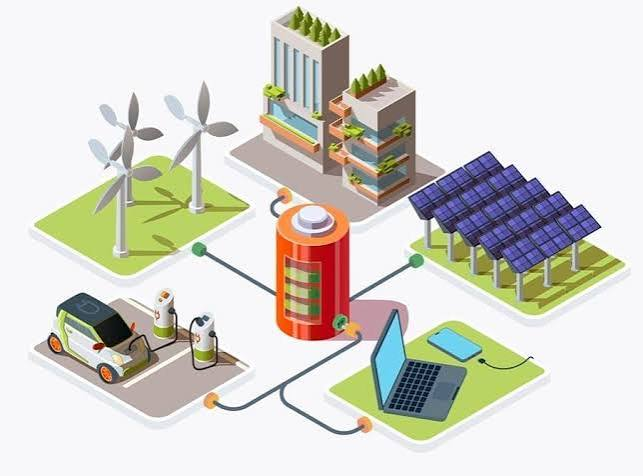
When a consumer flips a switch, they do not have to consider how the electricity will get to the bulb. The grid is a system that requires human input to deal with fluctuations, outages, and other issues. Smart-grid technologies add layers of information and control to the process.
Information and Control
According to the Department of Energy, modernized electrical grids use two-way communication and computerized control systems to allow connected equipment to relay information back about the state of the grid. Various sensors, from smart meters to circuit breakers, can allow the operators of the grid to respond to issues. The “smart” aspect is the utilization of information.
Information Enables Control
If a storm takes out power to several neighborhoods, having the equipment to sense when and where the outage occurred can allow operators to have a head start on finding the cause. This paragraph’s hypothetical scenario demonstrates the concept mentioned at the beginning of the article. The information from the grid allows human operators to make decisions based on the specific circumstances. The Department of Energy highlights faster recovery, improved reliability, and greater use of alternative energy as three benefits of grid modernization.
These advantages all tie back to a more information-centric approach to managing the grid. Information enables control, beginning with the operators and extending to consumers.
Information Empowers Consumers
The Department of Energy highlights the potential for the information-enabled grid to allow consumers to make smarter decisions about their energy usage and spending. The value of information is only as good as the application, and modernizing the grid is not a goal in and of itself. To actually improve consumer options, an accessible user interface is necessary for making connections between consumption and expenditures. The example given in this section of the article demonstrates an understanding that more data is valuable, but only up to the point that it can be applied.
Conclusion
Smart grids demonstrate the potential benefits of utilizing information technology to improve the management of critical infrastructure. Their value is almost entirely predicated on the ability to apply information to control the system and make it more reliable and efficient.