Some of the largest investors in the world are not banks, billionaires, or hedge funds. They are governments. Sovereign wealth funds are state-owned investment funds that manage national savings, and together they control trillions of dollars in stocks, bonds, real estate, and entire companies.
Where the Money Comes From
Most sovereign wealth funds are built on one of two sources. The first is natural resources. Countries that earn large sums from oil, gas, or minerals set part of that income aside, knowing the resources will eventually run out and that prices swing sharply from year to year. The second is trade. Countries that consistently export more than they import accumulate large reserves of foreign currency, and some place a portion in a fund to earn higher returns than safe government bonds would pay. The oldest fund, the Kuwait Investment Authority, dates to 1953.
What They Are For
Funds serve different goals. Stabilization funds act as a cushion, covering government budgets when commodity prices fall. Savings funds aim to turn temporary resource wealth into permanent financial wealth for future generations. Development funds invest at home in infrastructure and new industries to reduce dependence on a single export. The time horizon is what sets them apart. With no shareholders to satisfy and no deadline to return the money, they can hold investments for decades and ride out market downturns.
The Norwegian Example
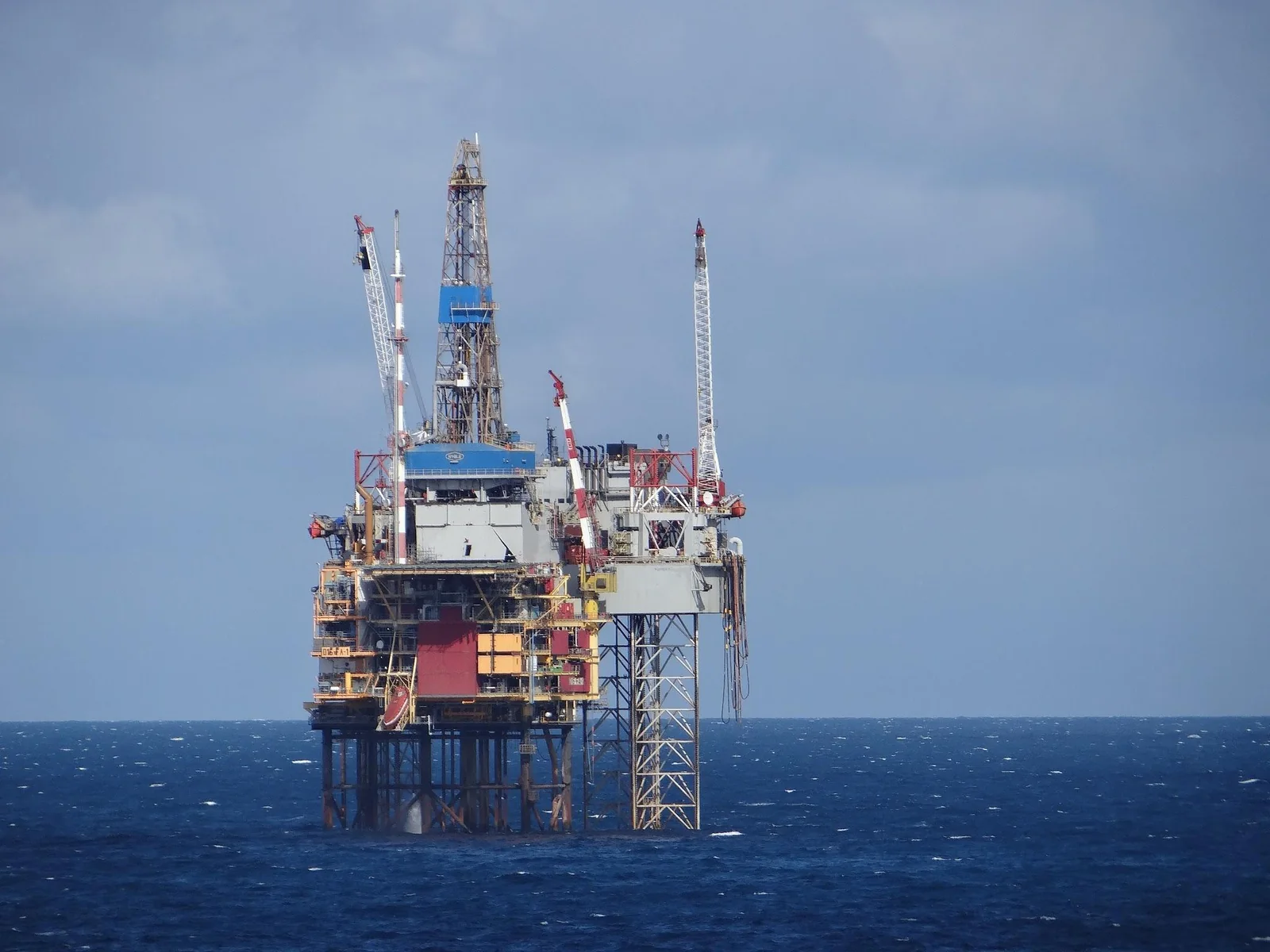
The best-known fund belongs to Norway. Created in 1990 to manage the country’s North Sea oil income, it received its first deposit in 1996 and has grown to well over $1.5 trillion, making it one of the largest investors on earth. It owns small stakes in thousands of companies, amounting to roughly 1.5% of all listed shares worldwide. The fund invests almost entirely outside Norway to avoid overheating the domestic economy, and the government limits how much it may spend from the fund each year to about its expected long-term return. It also publishes its holdings in detail, which has made it a model for transparency.
Questions and Concerns
Not every fund is so open. Some disclose little about what they own or how decisions are made, which raises concerns about corruption and about whether investments serve political aims instead of financial ones. Countries receiving the money sometimes worry about foreign governments buying into sensitive industries such as ports, energy, and technology. In response, a group of funds agreed in 2008 to a voluntary code known as the Santiago Principles, covering governance and disclosure. Many countries also review foreign investments on national security grounds.
Conclusion
Sovereign wealth funds allow countries to save windfalls instead of spending them, protecting public finances and spreading wealth across generations. Managed well, they are a powerful tool for long-term stability. Their size gives them real influence over global markets. That makes how they are governed, and how openly they operate, a matter of interest far beyond the countries that own them.