
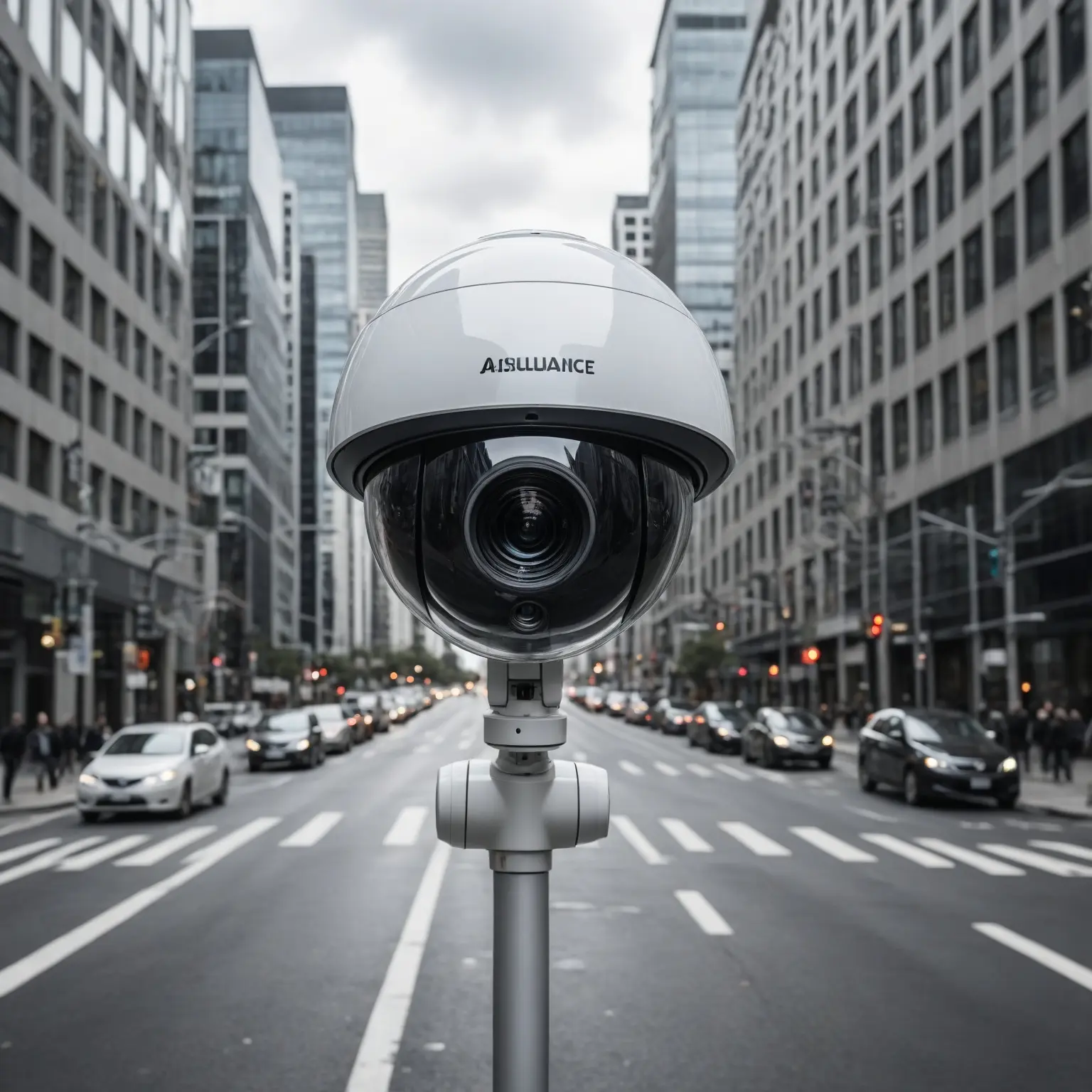
The use of artificial intelligence (AI) for surveillance purposes raises many ethical and social implications, one of which is whether it is actually beneficial in the first place. Advanced surveillance technologies that utilize AI, such as facial recognition and predictive policing, can provide a higher level of security to society. However, they may also result in invasion of privacy and potentially be a source of discrimination against individuals.
One of the most prominent examples of the use of surveillance technologies is the utilization of facial recognition. It has found its way into numerous spheres of society, being beneficial in terms of law enforcement and protecting businesses.
This technology can indeed be useful by identifying the suspects and narrowing down the search in cases of a crime. Yet, there are reports of it being used in an utterly unfair and unethical manner due to the inaccuracy of results and discrimination against certain groups.
Predictive policing is another example of using surveillance technologies, although it appears to be controversial in comparison to facial recognition.
On the one hand, it involves a degree of discrimination and unfairness since it is reliant upon data which means that it is based on the information that the police already knows. On the other hand, it seems beneficial in terms of catching criminals and providing a higher level of security because officers would not have to do their job blindly.
Therefore, it is clear that new advances in technology should be carefully used in order not to violate the rights of citizens. There is no doubt that AI-driven surveillance systems can be very helpful, but they are indeed double-edged. Unless proper regulations and policies are established, such technologies should not be used.