
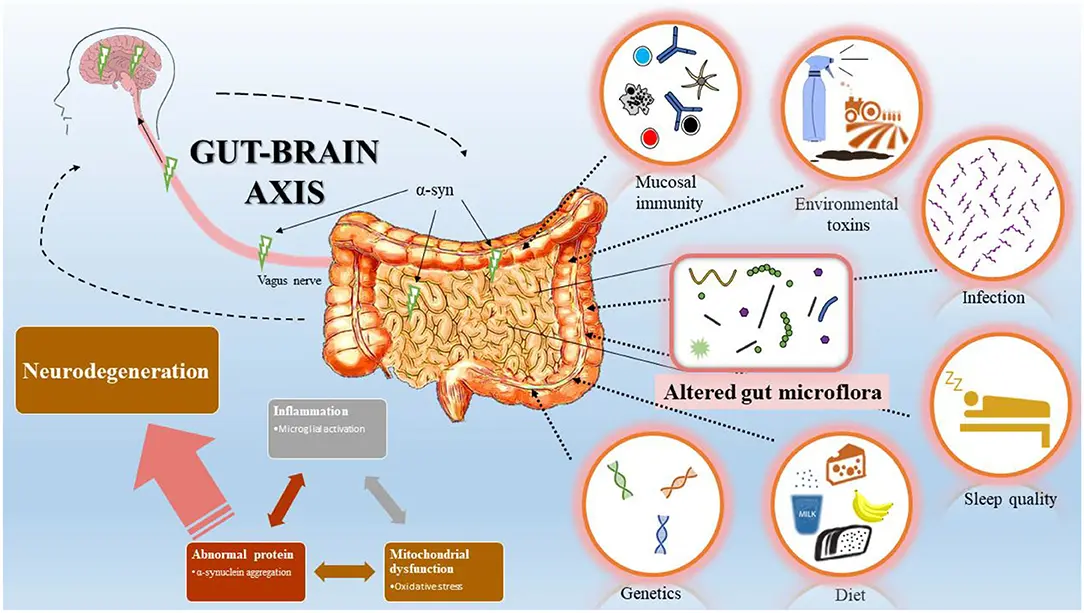
There is an intriguing connection between the gut and the brain, the nature of which has fascinated many scientists. Researchers have discovered that the interaction between the two systems previously believed to be independent is incredibly complex. This article summarizes the biology of the connection and the effects it has on the individual's psyche.
The human gut contains thousands of bacteria and other organisms that affect one's nervous, endocrine, and immune systems. The article describes how the connection takes place and how the byproducts of bacteria influence the nervous system and, specifically, the formation of consciousness.
The Biology of the Gut-Brain Connection
The vagus nerve, the immune system, and bacterial metabolites are the three main ways in which the gut and the brain interact. The vagus nerve that connects the intestine to the brainstem is part of the autonomic nervous system; thus, neuroinflammation caused by dysbiosis occurs. The article also describes serotonin, a hormone that carries information about the feeling of happiness and regulates the digestive tract. About 90% of serotonin is produced in enterochromaffin cells located on the lining of the intestine. The article states that bacteria affect the production of this hormone and, thus, the likelihood of developing depression if digestion is impaired.

The Effect of Gut Bacteria on the Brain
The article also describes how changes in the composition of the intestinal microflora affect the structure of the brain. For instance, transferring bacteria from anxious mice to calm ones resulted in the latter ones becoming anxious. The causal effect of bacteria on the structure of the brain was confirmed in several experiments. The researchers emphasize that, although the relationship between the gut and the brain is not fully understood, changes in intestinal microorganisms and their toxins often play a role in depression, as well as in other mental disorders such as autism and Parkinson's disease.
One way bacteria affect the brain is described by the production of pro-inflammatory molecules as a result of short-chain fatty acids. The integrity of the gut barrier is critical to maintaining health because, if it is damaged, toxins get into the bloodstream and cause illness. The connection between the gut and the brain is metabolic, and the article shows how closely these two systems are related.
The Gut Microbiome and Lifestyle
The article suggests that lifestyle choices such as a fiber-rich, fermented food diet and regular physical activity improve the balance of the gut microbiome. Lack of sleep and exposure to stressors, in contrast, negatively affect digestion and, accordingly, the psyche. Taking probiotics helps improve the composition of the intestinal microflora and diversify it; however, the beneficial effects of this procedure are short-term. A review of research data on the gut-brain connection shows that the relationship between the gut microbiota and mental health is complex and requires further study. Nevertheless, scientists agree that psychobiotics, substances used to treat psychiatric disorders, open up exciting prospects for medicine.
To cure mental illnesses, neurologists will be able to use the knowledge about the connection between a person's digestion and his or her psyche in the future. The study of the connection between the intestine and the brain is the priority of biologists at the moment; therefore, the article demonstrates how this interaction works, and thus scientists can influence the state of both systems. In the future, clinicians will be able to use this information in practice, which will enable them to treat mental illness more efficiently. This promising direction of medicine will allow the professionals of the future to take a closer look at the human psyche. This is just another step toward unraveling the mysteries of the human body that will undoubtedly be helpful to medical scholars in years to come.
Conclusion
Modern biologists are excited about studying the connection between the gut and the brain; therefore, research in this direction is actively unfolding. For the medical field in particular, this topic is crucial; the study of how dietary changes affect the human psyche will allow clinicians to influence people's lives through the improvement of their digestion. Every doctor, as well as an aspiring medical student, should be interested in this issue because the study of the connection between the gut and the brain will help them take a closer look at human biology. This is vital in prospecting for the future of medicine as the ability to regulate the psyche will be available to people when they become familiar with the intricate relationships that govern the human body.
In addition, this fascinating research area can become the basis for future discoveries that will fundamentally change medicine. Ultimately, a review of scientific literature on the gut-brain connection serves to show how vital it is for biologists and psychologists to understand the role of intestinal bacteria in human life. These microorganisms are essential components of the human nervous system; therefore, they must be subject to further, most comprehensive study. The association between the digestive system and the psyche will help psychologists in years to come, allowing them to find new methods of treating mental disorders.