
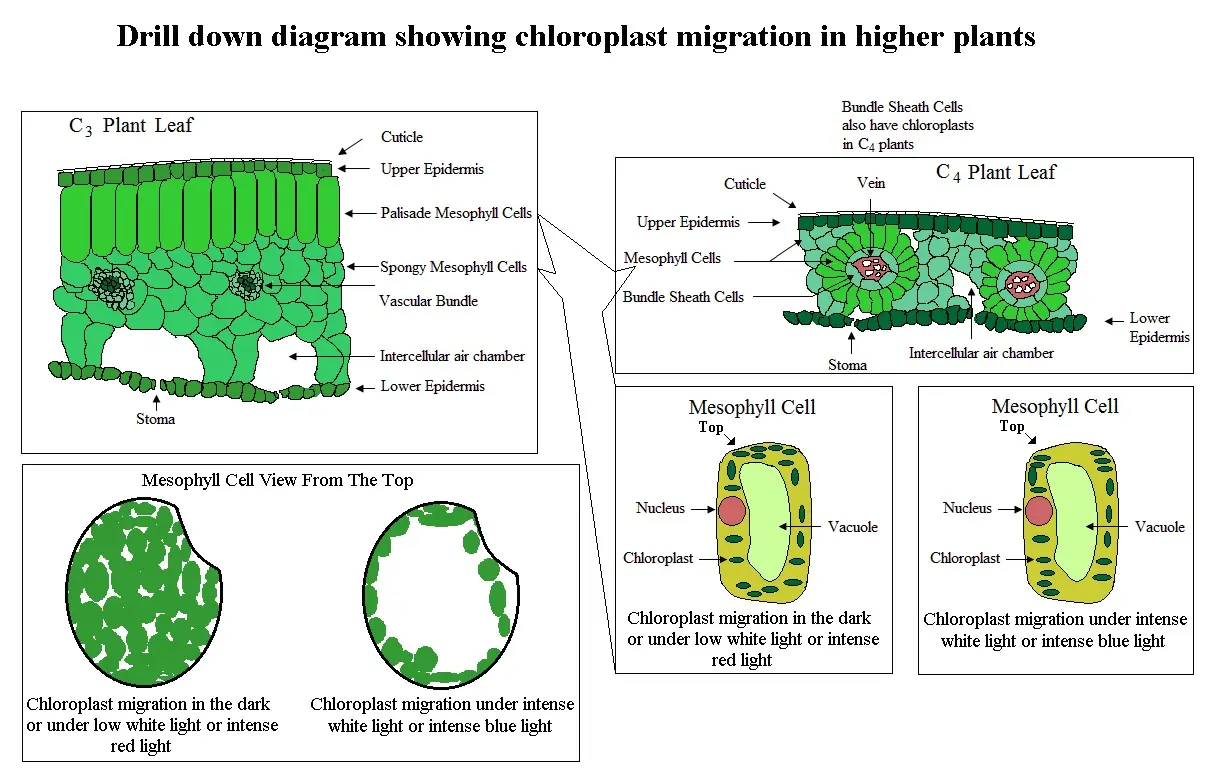
The very air that we breathe, our food, and even ecosystems in nature rely on one chemical reaction: photosynthesis. This unique biochemical reaction enables the conversion of light into useful energy in the form of glucose by the plants, algae, and certain bacteria. Not only does it provide energy for the growth of the organisms but also creates oxygen, which helps us live.
Photosynthesis is the chemical reaction where the light energy gets transformed into the chemical energy in the form of glucose—a simple sugar. This reaction occurs in the chloroplasts, green plastids of plant cells. In the chloroplasts, there are the pigments, the main ones being chlorophyll, which catches the light energy from the sun. With this energy, the reactions occur to convert carbon dioxide and water into food.
The Process of Photosynthesis
There are two major processes involved in photosynthesis: light-dependent reactions and Calvin cycle (or light-independent reactions). Light-dependent reactions take place in the thylakoid membrane of the chloroplasts. Sunlight hitting the chlorophyll causes excitement of electrons which travel along a series of proteins referred to as the electron transport chain. This process of transfer of energy results in splitting of the water molecules and production of oxygen, ATP, and NADPH molecules, both serving as chemical energy storage units.
The second process is referred to as the Calvin cycle where the energy-containing molecules are utilized in the transformation of CO₂ taken from the atmosphere into glucose molecules (C₆H₁₂O₆). This process takes place in the stroma, a watery space within the chloroplast.
Significance of Photosynthesis
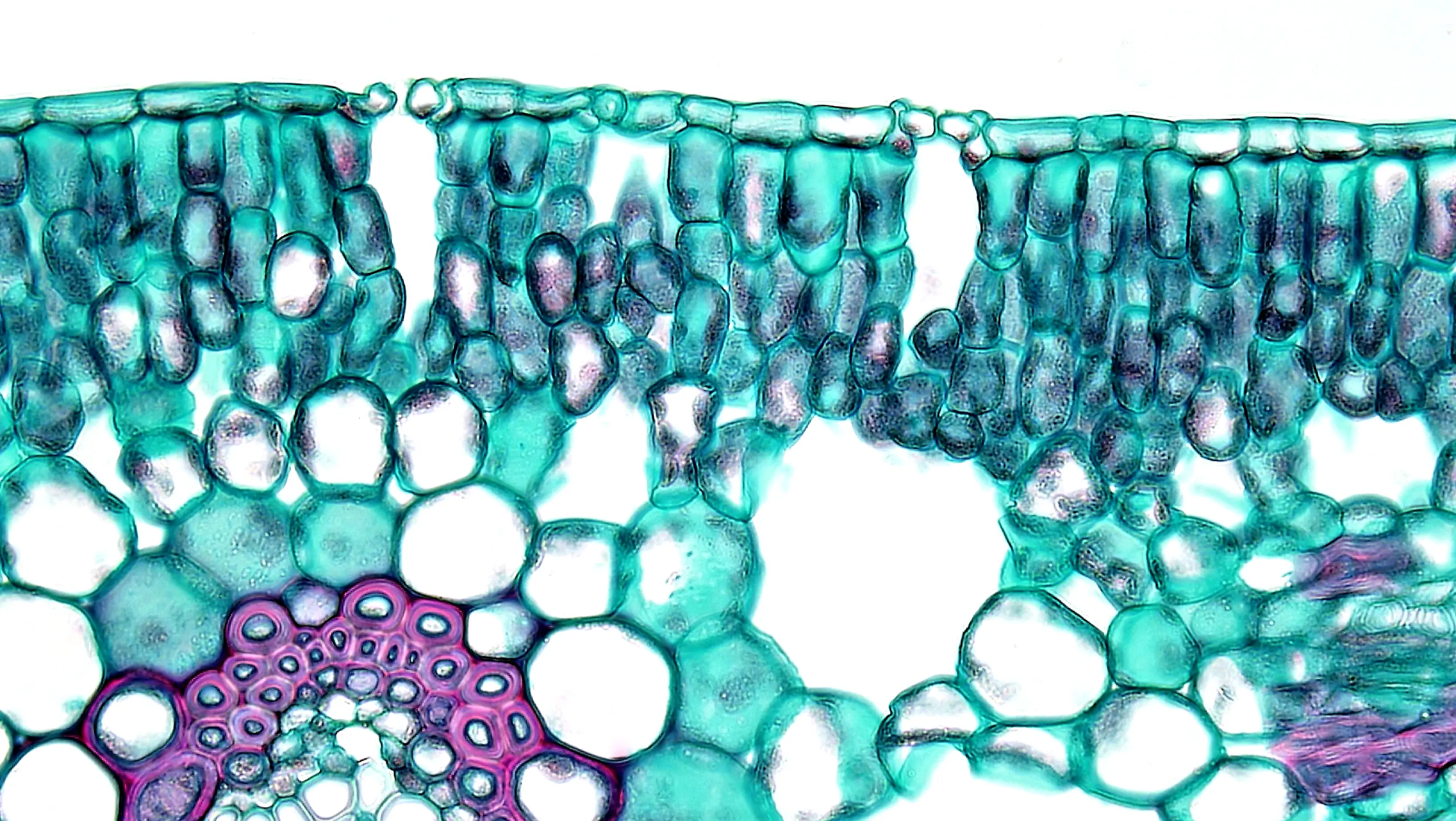
Photosynthesis is more than keeping the plant alive; it is the basis for almost all food chains. The herbivores get their energy from the plants, and the carnivores from the herbivores; thus, the photosynthesis process comes before any other biological energy transfer. The photosynthesis process regulates the atmosphere composition because it supplies oxygen and eliminates carbon dioxide; therefore, it makes life possible for aerobic creatures including human beings.
It is also significant for the whole world carbon cycle because it works as carbon sink while absorbing carbon dioxide from the atmosphere. Both forests and oceans have a big share in carbon dioxide absorption. They absorb about 50 percent of carbon dioxide emitted annually due to human activity.
Photosynthesis and Innovation by Humans
The study of photosynthesis has led to artificial photosynthesis, an emerging field wherein scientists attempt to replicate photosynthesis and harvest solar energy using it to produce fuels. Scientists hope to use artificial photosynthesis to harvest sunlight and produce renewable fuels like hydrogen or chemicals storing solar energy to develop an environmentally friendly alternative to fossil fuels.
Moreover, the study of photosynthesis is integral to agriculture and climatology. Research conducted in the study of photosynthesis can enable farmers to cultivate crops effectively by learning how to increase plant yield through heat, light, and carbon dioxide exposure. In addition, photosynthesis even helps in the field of space exploration, as plants grown effectively will help in nourishing astronauts during space missions.
Conclusion
Photosynthesis is perhaps nature’s most awesome creation – a system whereby the sun’s energy is captured and turned into life itself. Without photosynthesis, there would be no forests, coral reefs, nor fields full of food crops. As more knowledge is gained on how plants utilize energy, it becomes clear that the answer to many of humanity’s greatest problems may be contained in one leaf.