
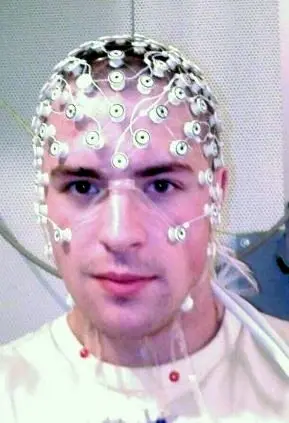
All students understand what it means to work until late hours trying to complete an assignment or prepare for an examination. Although one night of lack of sleep may not cause much harm, the negative effects of constant sleep deprivation could be surprising. Humans are cyclical creatures—awake, asleep, repairing. However, when these cyclical processes are interrupted, negative consequences occur for every organ and physiological function of the organism. From hormonal changes to decreased brain functioning, the scientific explanation of the phenomenon warns of the negative effects of neglecting the need to rest.
First of all, sleep is not a simple period of being unconscious. On the contrary, it is a process when our brain sorts out information and gets rid of toxins, which may influence our emotional state. While sleeping, especially during deep sleep, the so-called glymphatic system of the brain, which is a set of channels responsible for cleaning the brain from unnecessary things, works the hardest. The mentioned cleaning process allows our brain to get rid of unnecessary elements, including beta-amyloid proteins, which may be connected to Alzheimer's disease.
The Effects of Sleep Loss on the Brain
With sleep being deprived, the first body part to be affected is the brain. Areas such as the prefrontal cortex involved in decision making and attention are less active. This is because concentration and mood become impaired even after a night of insufficient sleep. Motivation and emotions controlled by neurotransmitters such as dopamine and serotonin become imbalanced causing stress.
For adolescents, the effects can be even more severe. The development of neural pathways in the brain in regions associated with self-control and memory becomes inhibited due to lack of sleep resulting in poor academic performance and risky behavior.
Effects on the Body
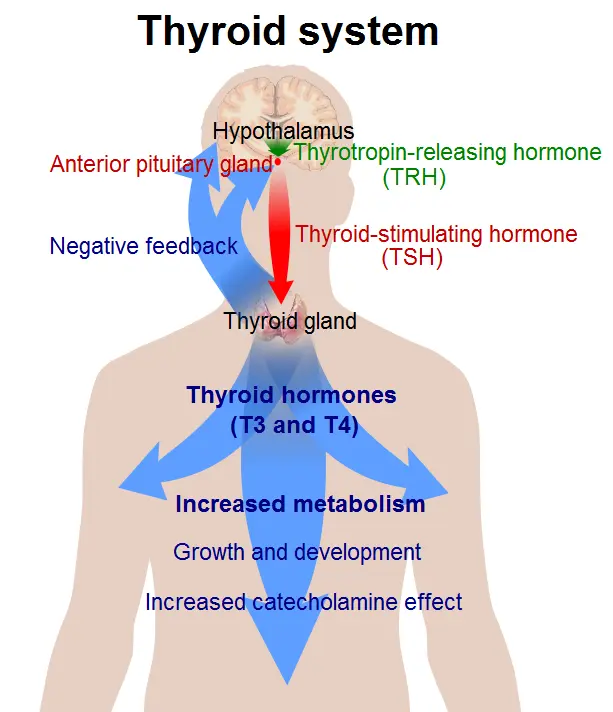
Sleep deprivation does not just affect the brain. Hormonal levels that control appetite and metabolism—leptin and ghrelin—become quite erratic, creating a desire for more food and craving sweets. That’s why poor sleep quality contributes to obesity and metabolic diseases, including diabetes. Sleep deprivation is bad for the cardiovascular system too, leading to higher blood pressure and inflammation, and thereby raising the risk of developing heart diseases.
When it comes to the immune system, sleep is a sort of immunological injection. The body produces cytokines during sleep—proteins needed for fighting infections and reducing inflammation. In case of lack of sleep, cytokine production declines, thus lowering the immunity of the body and making it more prone to illnesses. Scientists have proved that individuals who get less than six hours of sleep at night become victims of common colds and flu viruses much easier than those who sleep seven hours or more.

Consequences for Emotional Well-being and Social Interactions
In addition to being very sleepy, not getting enough sleep causes changes on an emotional level. There is scientific evidence that insufficient amount of sleep increases the activity of the amygdala, the part of the brain responsible for emotions and stress responses. At the same time, the connection between the amygdala and the prefrontal cortex becomes worse, which decreases control over emotions. This is how lack of sleep makes students vulnerable to anxiety, irritability, and depression.
Besides that, there are consequences for social interactions. The tired brain reacts incorrectly to facial expressions, so there might be misunderstanding and lack of empathy. In the society where productivity and activity are praised, rest becomes very important.
Restoration of Rest in the Framework of Health
The answer is simple but not easy: take care of rest. Seven to nine hours of sleep are the recommended daily amount, but cultural norms and gadgets usually do not allow this. The creation of certain nighttime rituals, reduction of the number of hours in front of screens, and the maintenance of comfortable conditions for sleep can help.
Science is finally understanding that sleep is one of the "three pillars of health"—food and physical activity being the other two. But what is more important about sleep than any other health practice, it is surrender rather than work. Sleep is the natural process of the organism's recovery and restoration.
Conclusion
The effects of lack of sleep extend beyond simple tiredness and become a health issue that affects many processes in the body. Students and future physicians are required to study the physiology of sleep since neglecting it is not an option, rather an obligation. Being successful in studying and in future profession requires not only hard work and smartness but also will to get some rest.