

Everyone gets stressed out, whether before an exam, during a game, or whenever they are feeling out of sorts. While a brief spell of stress may actually have positive effects on one's alertness and concentration, chronic stress can be very damaging to both the body and mind. Knowing how the phenomenon works makes clear why balance and relaxation should be as important as effort and determination.
Once the stressful state sets in, your brain sends signals to the rest of your body to be ready for an attack. It is called the fight or flight reaction and it served as a survival instinct of humans. Hormones are secreted by the hypothalamus—a part of the brain—to stimulate the adrenal glands to release cortisone and adrenaline. They speed up one's heartbeat and blood pressure while also increasing his/her concentration and performance in stressful situations. However, too much stress may cause these hormones to become destructive rather than constructive.
Chronic Stress Repercussions
When stress persists for long periods of time, the body is never able to unwind. Cortisol at high levels can have an effect on the immune system, making an individual more susceptible to illnesses. Other repercussions include difficulty with digesting food, having sleep problems, and feeling fatigue even after getting enough sleep. Studies have linked chronic stress to health conditions like heart disease, obesity, and psychiatric disorders including depression and anxiety.
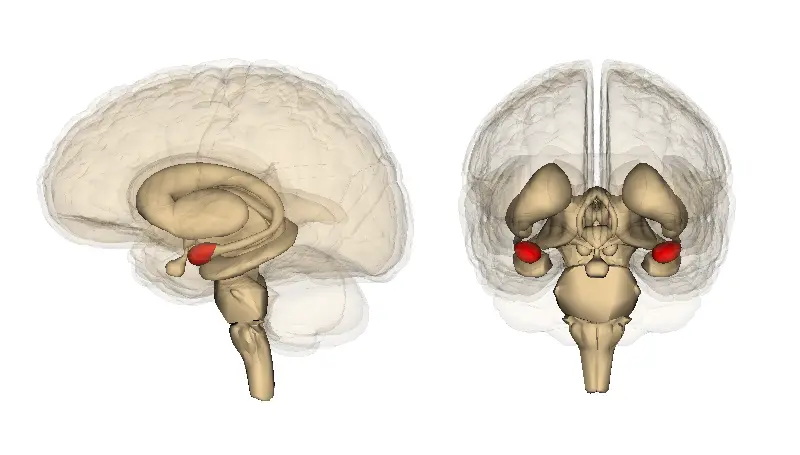
In the brain, stress influences the activity of certain areas, including the hippocampus and prefrontal cortex, which control memory, attention, and reasoning skills. This is the reason that stress can make it difficult to concentrate. In addition, the amygdala, which is involved in processing emotions, becomes hyperactive.
Ways to Cope with Stress Healthily
It does not involve avoiding stressful events. Rather, it involves bringing the body back to its balance after the event. One of the best stress relievers is exercise because it lowers cortisol levels while releasing endorphins that lift your mood. Practices such as breathing and meditation help in relaxing the nervous system, and socializing helps in feeling less isolated.
Something as basic as getting adequate sleep, eating healthily, and taking breaks during study sessions will keep you from burnout. It all depends on sticking to healthy habits that will build your ability to cope with the challenges.

Conclusion
Stress is a very normal phenomenon in the world that one experiences, but it doesn’t have to dictate everything in one’s life. Knowing how stress impacts the mind and body makes it easy to be able to respond to situations as opposed to reacting. Stress management goes beyond remaining calm—it is about maintaining one’s health too.