
Our bodies are in constant battle against foreign agents that try to enter them on a daily basis. From bacteria to viruses, immunity keeps us protected at all times. It is the reason you are reading this article, and the reason you are alive, having fought off diseases so far.
The immune system is complex, diverse, and simply incredible, consisting of numerous types of immunity, cells, and even organs!
Our bodies' defense systems can be generally categorized into two types: innate and adaptive immunity. Innate immunity is our first layer of defense, whereas adaptive immunity, as the name suggests, adapts to incoming pathogens and attacks them specifically. The two immunity types complement each other and provide unparalleled protection from all sorts of infections.
First Layer of Defense: Innate Immunity
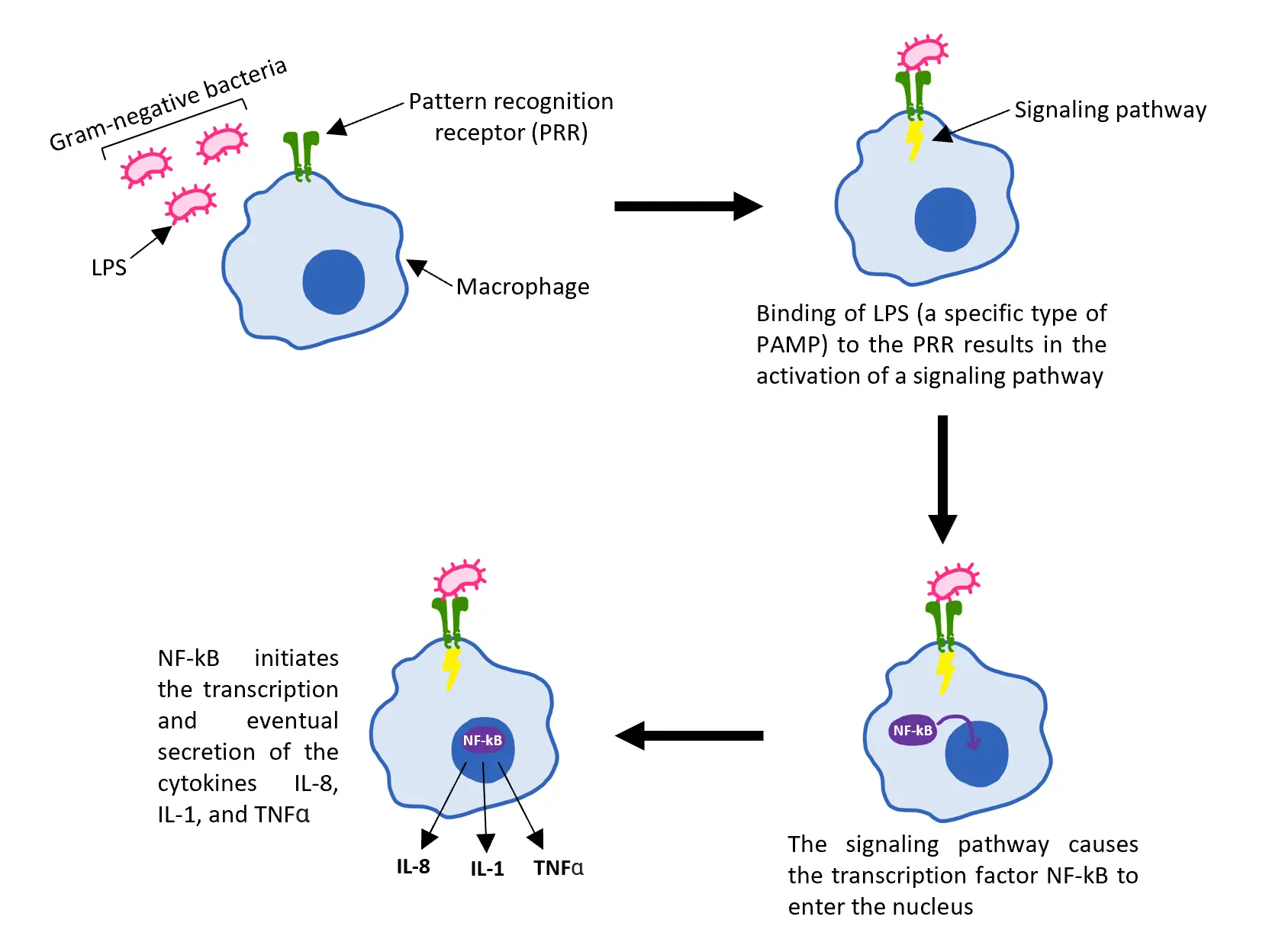
As mentioned above, innate immunity is the first line of defense in our bodies. It mostly consists of physical barriers that prevent pathogens from entering, for example, the skin. Nevertheless, in the rare case pathogens manage to bypass the physical defenses, the innate immunity has other tricks up its sleeve. There are several types of white blood cells, or leukocytes, that help combat pathogens. One such type is macrophages, which absorb pathogens and toxins, essentially destroying them. They also produce special signaling molecules called cytokines that activate other parts of the immune system.
Some white blood cells, such as neutrophils, are also usually the first to arrive at the site of infection, although they are less effective. Finally, the innate immunity also has so-called natural killer cells, a type of leukocytes that mostly target cancer cells.
The innate immunity is usually fast but ultimately ineffective at fighting off the infection, meaning that the next time the infection enters the body, it will be dealt with again.

Adaptive Immunity: The Specificity and Memory
In general, the described innate immunity is effective at preventing infections but somewhat limited in its ability to target specific pathogens. That is why the second, adaptive type of immunity assists the innate one in combating those infections that manage to enter the body despite the formidable defenses described above. The adaptive immunity has two major types of lymphocytes: B cells and T cells.
B cells are responsible for producing antibodies, which are special proteins that specifically bind to pathogens, neutralizing them. In turn, T cells target the pathogens' cells to destroy them. Overall, these two aspects of immunity form a strong defense mechanism against infections.
Nevertheless, the adaptive immunity is most notable for having memory cells that, as their name suggests, remember the foreign substances that the body fought previously. It means that if the same pathogen attempts to infect the body, the adaptive immunity will fight it off more effectively and quickly.
Adaptive immunity plays a major role in vaccination. The vaccines essentially "train" the immune system to recognize certain antigens and prevent future infections.
Regulation of Immunity and the Importance of Balance
While a hyperactive immunity might be better than nothing in some cases, it is ultimately not useful, as a strong immune response is required for the body to combat most pathogens. Moreover, sometimes the immune system can fail at its job for various reasons, such as having defective cells. For example, people with autoimmune diseases essentially have the condition where their immune cells recognize the body's cells as foreign substances and attack them. Type 1 diabetes and lupus are some of the diseases of that kind. The same applies to allergies, although the mechanism by which they occur is somewhat different; people with allergies have an allergic reaction (symptoms range from nausea to swelling to anaphylaxis) when exposed to certain substances the immune system recognizes as foreign.
The scientific field studying the immune system is called immunology. It is a vital area of science that helps people fight off various diseases, including cancer: the activity of T cells can be augmented to attack tumor cells, which is the basis of some cancer treatments, notably T-cell checkpoint inhibitors. There are also various other treatments and areas of research in immunology, such as how to manipulate the autoimmune system to help the body fight off disease.
The Future of Immunology and Immunity: Your Power Within
Immunology, the science about the body's defenses, has long fascinated researchers. The field has provided many interesting facts and insights into the mechanisms of the human body and how it fights foreign substances, such as pathogens. Researchers are constantly trying to discover new facts about immunity and how it can be augmented to benefit humanity.
For example, immunology overlaps with several other areas of science, notably microbiology and psychology. Recent discoveries in those fields allowed researchers to understand the effects stress, sleep patterns, and other factors have on the immune system. In particular, stress and lack of sleep seem to have a particularly detrimental effect on it. Another exciting, active area of research concerns the link between the gut microbiome, the immune system, and the effects age has on it. Some of the findings might allow physicians to predict diseases based on certain genetic markers.
Ultimately, in the future, immunology might allow the manipulation of a person's immunity on a large scale, allowing it to be tailored to that person's needs specifically: for example, to maximize their protection from infection or predict potential illnesses before they emerge. However, regardless of what the future holds, we can safely say that researchers are continually fascinated by the intricacies of human immunity and the fascinating ways it can be utilized to benefit humanity.
Conclusion
One can hardly understand the complexity and diversity of the human body and the ingenious ways it protects itself from foreign substances. The immune system is truly remarkable, and researchers are eager to find out more about it to better utilize its potential to fight disease.