
A temporary U.S.-Iran agreement triggered one of the strongest weeks of equity-fund inflows in years as investors bet that reopening a key oil route would reduce inflation pressure. Technology funds captured a record share of the money, showing how geopolitical relief quickly fed back into the AI-driven market rally.
The numbers
U.S. equity funds attracted a net $38.37 billion in the week through June 17, their strongest weekly inflow since late 2024. Technology funds alone drew a record $21.46 billion. Bond funds received nearly $10 billion, while money-market funds also saw a large rebound in inflows.
Why it matters
Geopolitical risk affects asset prices through expected growth, inflation, and uncertainty. Reopening the Strait of Hormuz reduced fears of an extended oil shortage, lowering the expected inflation penalty on consumers and central banks. Lower perceived risk also raises the value investors place on future corporate earnings.
The market and policy angle
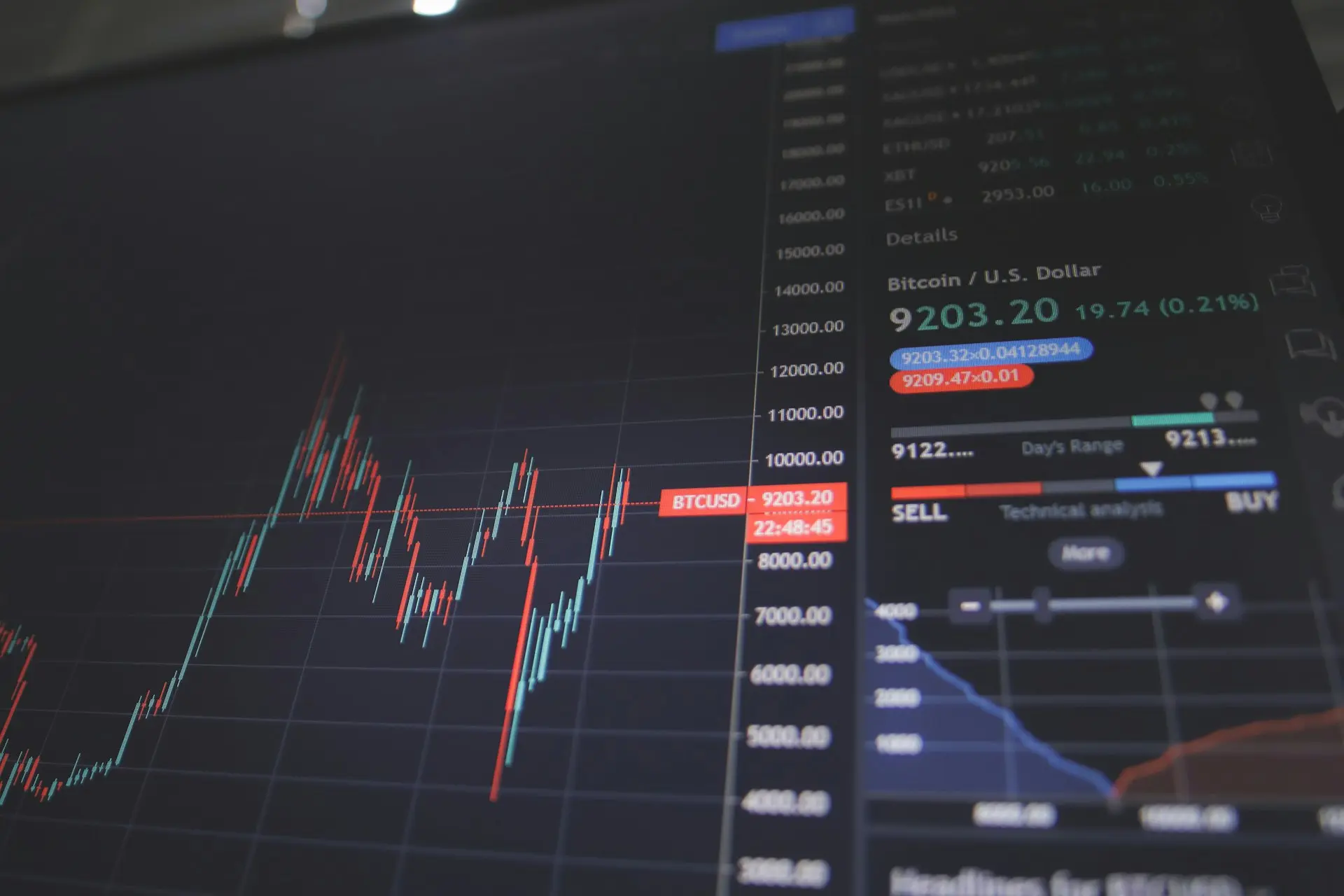
The concentration of flows into technology showed that the market’s leadership remained narrow. That can produce strong index performance while increasing vulnerability if AI spending or valuations disappoint. The simultaneous inflow into bonds suggested investors were not simply embracing risk; they were also rebuilding diversified positions after a volatile period.
What to watch
A lasting peace agreement would strengthen the case for lower energy prices and steadier inflation. A breakdown in talks would quickly restore the risk premium. Markets therefore remained highly sensitive to diplomacy as well as corporate earnings.