
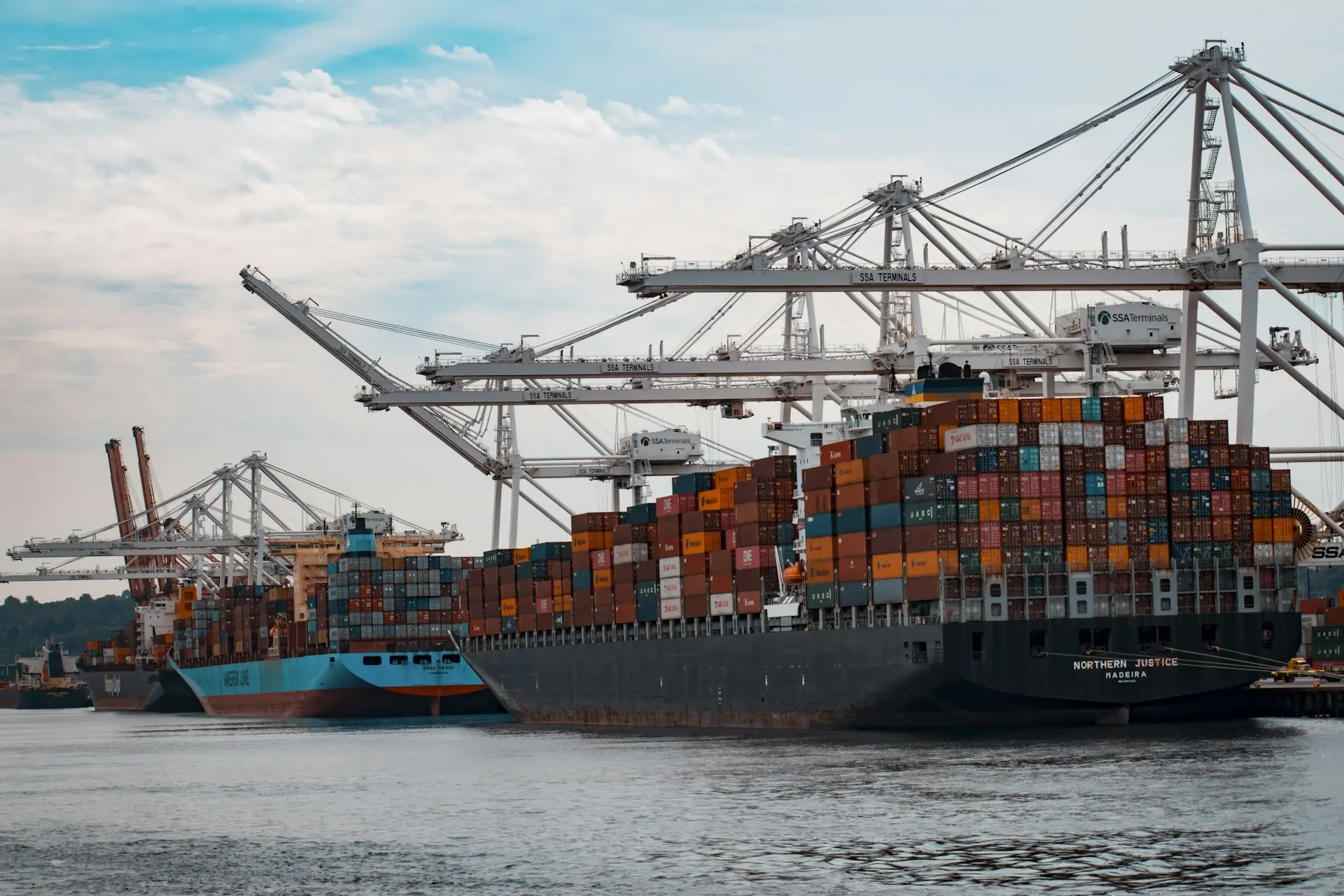
Washington moved quickly to rebuild tariff pressure after the Supreme Court limited the president’s emergency trade powers. New investigations targeted alleged excess industrial capacity and forced-labor concerns, creating a path toward fresh duties under different sections of U.S. trade law.
Where things stand
The U.S. Trade Representative opened an excess-capacity investigation covering 16 major trading partners, including China, the European Union, India, Japan, South Korea, Mexico, and several Southeast Asian economies. A separate forced-labor probe covered more than 60 countries. Canada was notably excluded from the excess-capacity investigation.
Section 301 investigations take longer than emergency tariffs because the government must build a record, identify alleged unfair practices, and allow public input. That can make the resulting measures more legally durable, but it also extends uncertainty for companies that do not know what future tariff rates will be.
The broader read-through
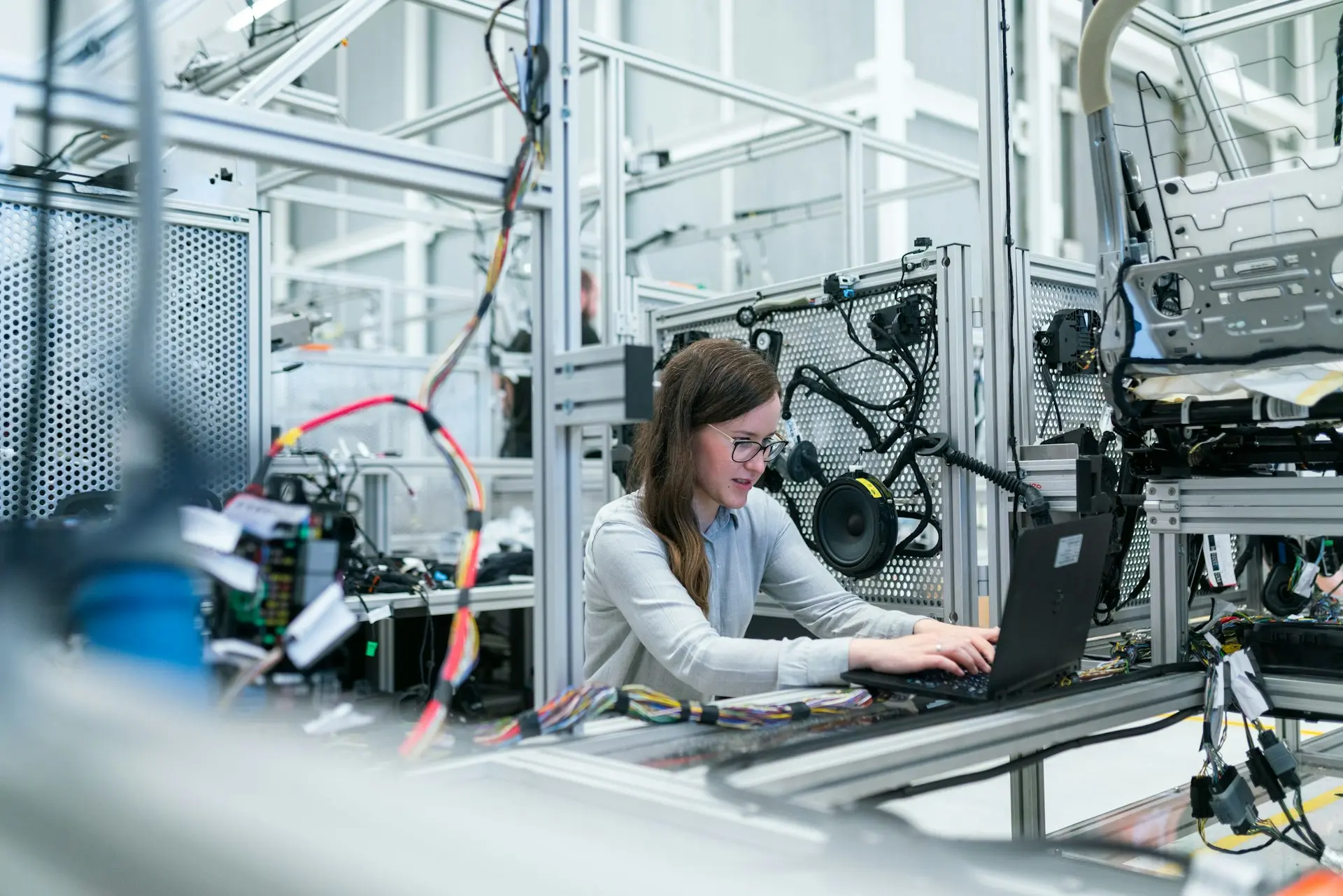
The focus on overcapacity broadens trade policy beyond traditional complaints about subsidies or market access. It effectively asks whether another country produces more than global markets can absorb without harming U.S. industry. That approach could affect autos, electric vehicles, steel, machinery, and other capital-intensive sectors.
The next signal
The investigations are likely to become a central feature of U.S. trade policy through the summer. Companies will watch the scope of any proposed tariffs and whether negotiations produce exemptions. Trading partners may respond with their own cases or retaliatory measures, keeping trade policy a major source of macroeconomic risk.