
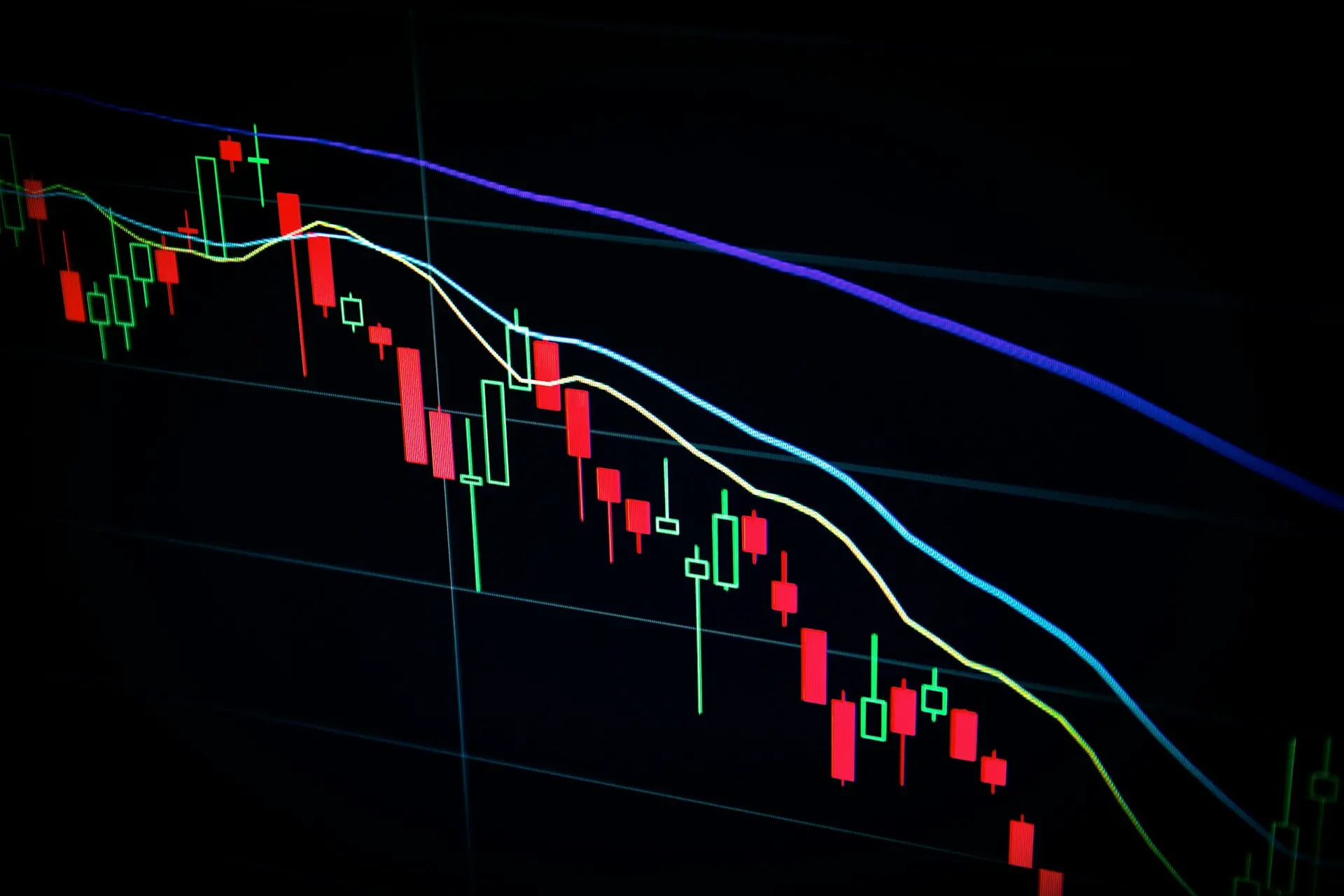
The U.S. economy proved stronger in the second quarter than initially estimated, with consumer spending and business investment carrying growth despite high borrowing costs and persistent inflation. The revision strengthened the case that the economy could absorb tighter monetary policy without immediately falling into recession.
Second-quarter GDP growth was revised to a 2.2% annualized rate from an earlier estimate of 1.5%.
How the economics work
Consumer spending grew at a 3.8% pace, while business investment in equipment remained strong, helped by artificial-intelligence infrastructure. Final sales to private domestic purchasers rose 4.6%, and gross domestic income increased 2.6%.
GDP revisions matter because early estimates are based on incomplete data. Stronger private domestic demand is particularly important because it gives a clearer view of underlying momentum than volatile trade or inventory movements. Business spending on AI equipment can raise current growth while also potentially increasing future productivity.
What it means
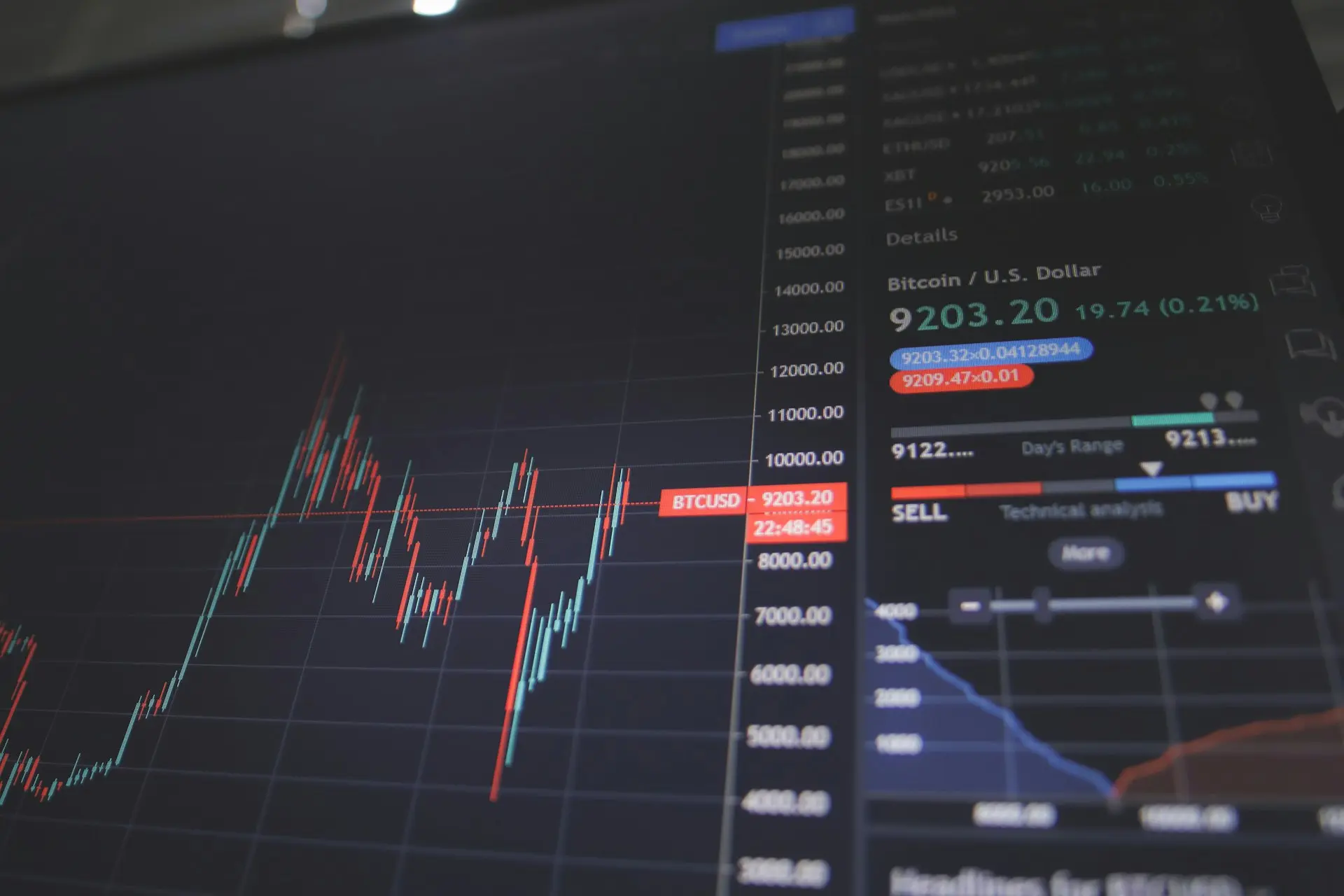
The strength complicated the Fed’s inflation fight. Higher rates are designed to reduce demand, but resilient consumption and capital spending suggest financial conditions were not yet restrictive enough to cause a broad slowdown. That can justify keeping rates higher even if some labor indicators soften.
What comes next
What matters now is sustainability. Consumers were saving less and benefiting from strong asset prices, which may not last indefinitely. If AI investment remains strong while households slow, the composition of growth could become more concentrated.