
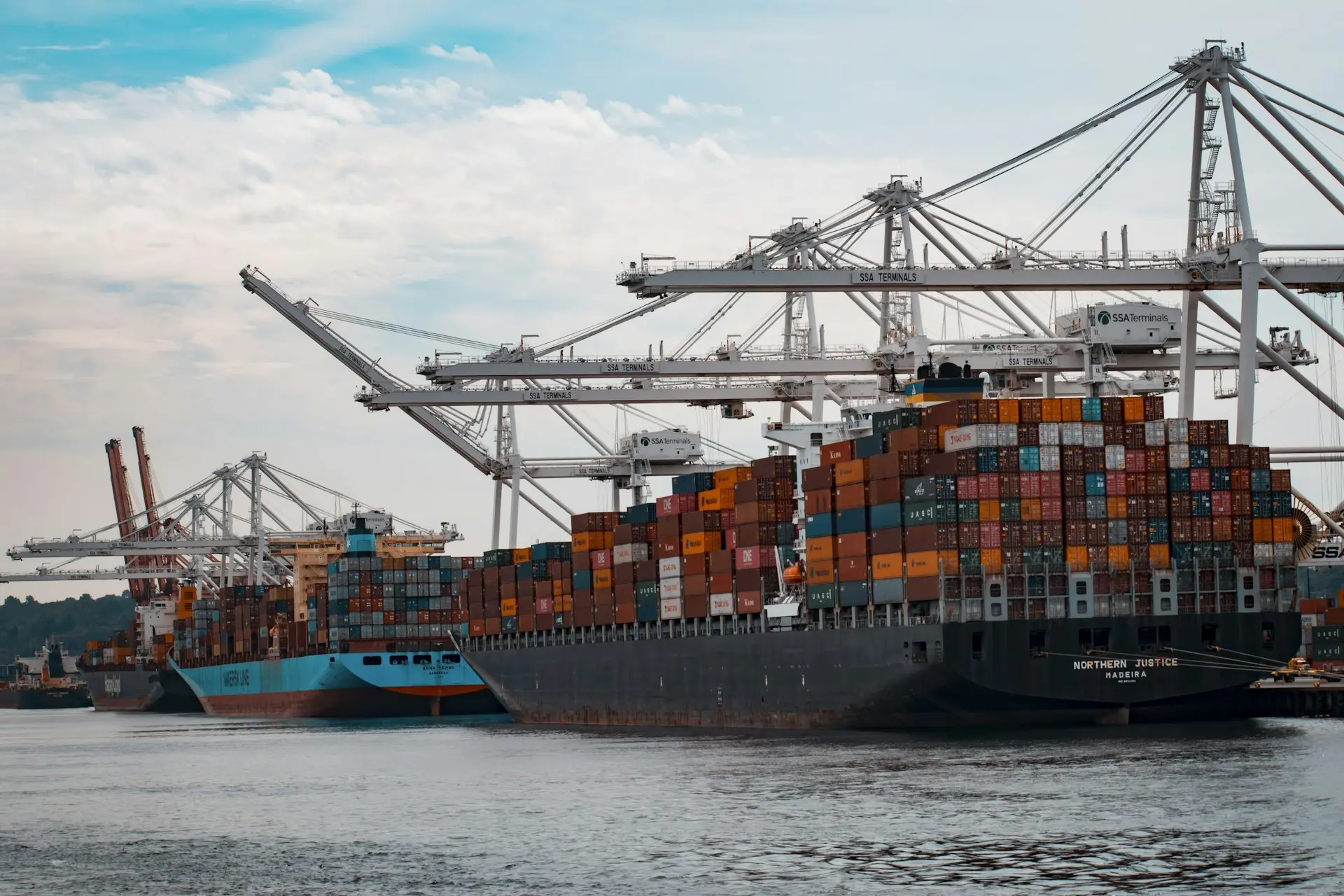
The U.S. trade deficit widened sharply in August even after more than a year of aggressive tariff policy, showing that trade balances are driven by much more than border taxes. Record imports reflected strong domestic demand, inventory rebuilding, and heavy investment in artificial-intelligence infrastructure.
Where things stand
The trade deficit increased 13.7% to $105.6 billion, the largest since March 2025. Imports rose to a record $420.8 billion, while exports increased 1.4% to $315.2 billion. Goods deficits with Mexico, Vietnam, and Malaysia reached record levels, and inflation-adjusted goods imports also increased.
A trade deficit is the mirror image of the gap between domestic saving and investment. Tariffs can change where the U.S. buys goods and can reduce imports in specific categories, but strong consumption and investment can keep total import demand high. A strong dollar can also make foreign products relatively cheaper.
The broader read-through

The data challenge the idea that tariffs alone can quickly eliminate a trade gap. The composition of imports matters: capital goods used for AI and business investment can increase productive capacity even though they widen the deficit in the short run. At the same time, larger imports subtract from measured GDP when calculating net exports.
The next signal
The trade balance will remain sensitive to AI spending, energy prices, the dollar, and future tariff rounds. Reducing the deficit sustainably would require broader changes in national saving, investment, and competitiveness rather than trade restrictions alone.