

A trader walking the floor of a trading desk in 2025 could freeze in horror at the very idea of algorithms keeping watch over billions of shares traded every minute at prices changing faster than the eye can follow, picking at patterns before they emerge, and even generating reports for humans to make sense of it all. There is no doubt that artificial intelligence has its place in finance, but the extent to which it has entered is hotly debated.
The explosion of AI-related investment starting in 2023 has had an effect on the financial industry, which has seen its investment in large language models grow by a significant degree over the course of the last year, and which has seen fundamental learning, the backbone of many of its algorithmic trading models, grow exponentially, if becoming more secretive and complex in the process.
From Quant to Cognitive

Traditional quantitative finance has long used statistical models, often based on market history, to arrive at projections for the future, which have then been combined with fundamental analysis, an assessment of companies' prospects based on their reports, to reach judgments about the market. The rise of cognitively-informed financial systems has seen a rise of more dynamic models, able to update their forecasts quicker based on news, sometimes using natural language processing to read the reports themselves and incorporate the information in their findings. Hedge funds have experimented with generative AI to test hypothetical speeches by government officials in which policies announced have been reversed, to understand the impact changes in government rhetoric could have on the markets if, hypothetically, misleading information were ever to emerge. The value of these methods is difficult to estimate.
Banks' Rush Toward Automation
Trading desks are not the only ones seeking to benefit from the rise of artificial intelligence, as major banks have sought to create their own systems to better judge the risks involved in lending, and financial institutions at large have rushed to incorporate generative AI to better detect fraudulent transactions, analyze reports, and perform other time-consuming tasks. In most cases, the investment has been well worth the cost, with decreases in time spent on these tasks running into double digits, according to banks' reports, though these figures should be taken with a large grain of salt, given that they have come directly from the companies which made the investments. Other areas of finance have followed suit, with robo-advisors recommending investments to customers which still have to be approved by human workers before taking effect. The value of such measures is difficult to quantify, as estimates from different firms vary wildly from single digits to hundreds of thousands of dollars saved due to the implementation of such systems, depending on whom one is asking. Meanwhile, regulators have begun to express concern with the systemic risks large institutions run by relying too heavily on such systems, as well as their ability to create new channels for crises to occur.
Implications for Retail Investors
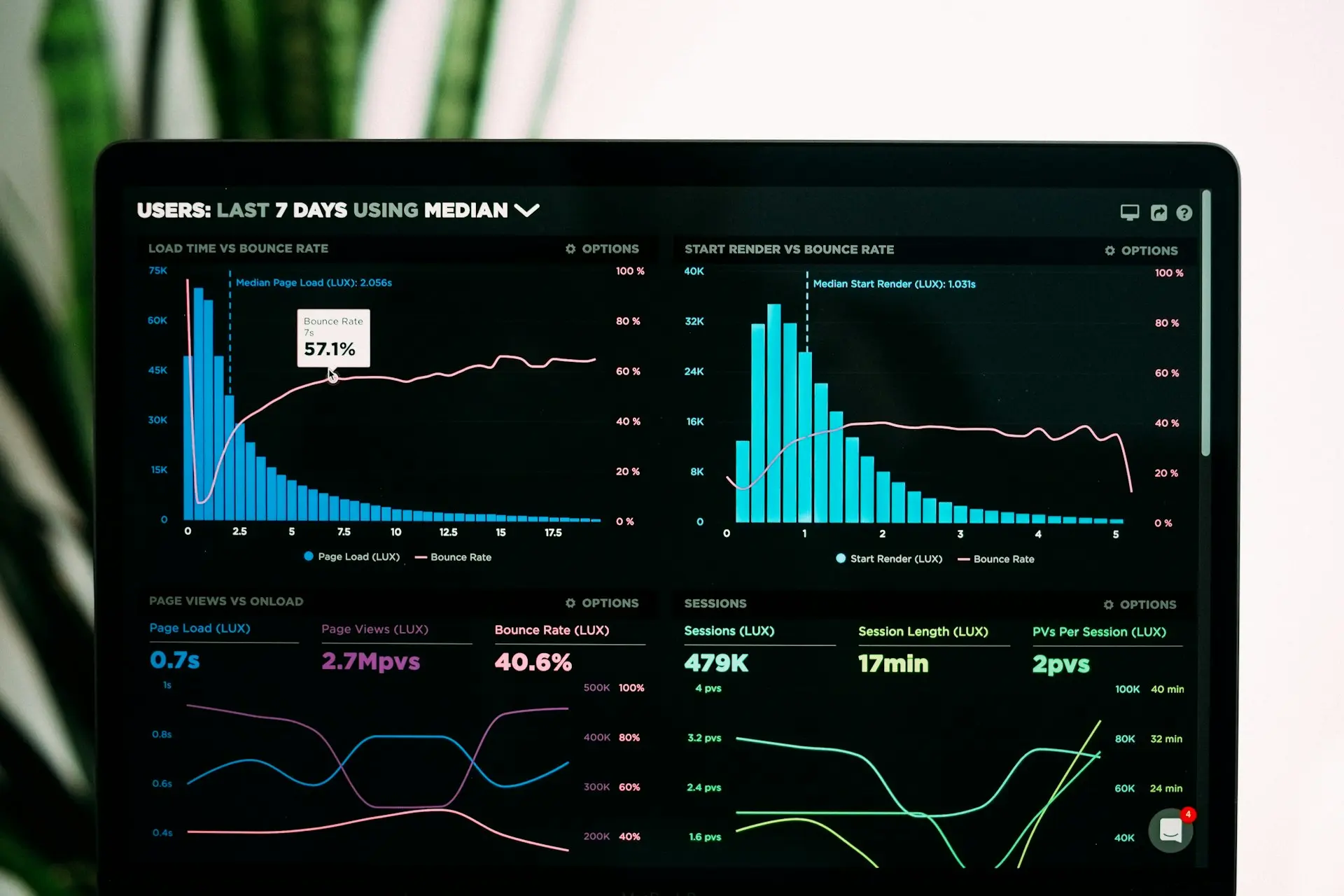
In many ways, it is the everyday investors who benefit the most from the rise of cognitively-informed financial systems, as many applications have begun to allow them to ask questions about their portfolios, with natural language prompts being processed to retrieve information in a manner which can be understood by anybody with a working knowledge of finance. This marks a major shift toward democratizing financial forecasting, but carries implications for markets being oversaturated with information, with their barriers to entry essentially being removed, exposing many to risks they would not have encountered otherwise. Some of these concerns have even begun to make their way into regulators' field of vision, who have begun to ask difficult questions about the impact of such technologies on the markets.
Regulators Around the World Navigate Same Dilemma
Regulators in the US, EU, and elsewhere have had to grapple with similar challenges in regards to artificial intelligence, as its capacity to both bolster risk assessment and create new channels for instability to emerge has placed it in a grey zone which neither the proponents of greater transparency nor secrecy desire. Other countries, such as China, have opted to lean into the trend, promoting greater transparency while also restricting some international interactions. The effects on the day-to-day operations of finance are that while individual companies can operate with a degree of secrecy, they must report enough for regulators to have a general sense of what takes place in the industry at large at any given moment. Most people who study finance agree that it is the right approach, as it has managed to satisfy the demands of both sides without upsetting either entirely, but the full effects of similar measures in other countries still have to be uncovered by the industry at large.
Risk Management Makes Markets Safer, But Also More Fragile?
While it is hard to argue in good faith that the rise of predictive financial systems has made the markets safer, as there is evidence pointing to both sides of the argument being supported, it is clear that the enhanced capacity to anticipate crises and react to them in an orderly fashion has made the markets safer. At the same time, the same advancements have made the markets more fragile, with new mechanisms bringing new opportunities for instability to emerge. Several central banks have already begun to capitalize on the enhanced capacities, with several implementing greater stress-testing than ever before, and evidence from the early adopters suggests that so far, the changes have been largely positive. Nevertheless, several central bankers feel that the rise of these systems has created dangerously complacent minds, which can fail to grasp the risks involved. At the same time, it has been reported that several central banks have been able to utilize the opportunities to test their readiness ahead of crises, essentially attempting to get ahead of them before they arrive. Meanwhile, several central bankers feel that the risk is concentrated in too few institutions, putting the world economy at risk at the whim of a few individuals.
The markets of the next decade will be defined by those with the best information, and those willing to admit that they do not have enough.