
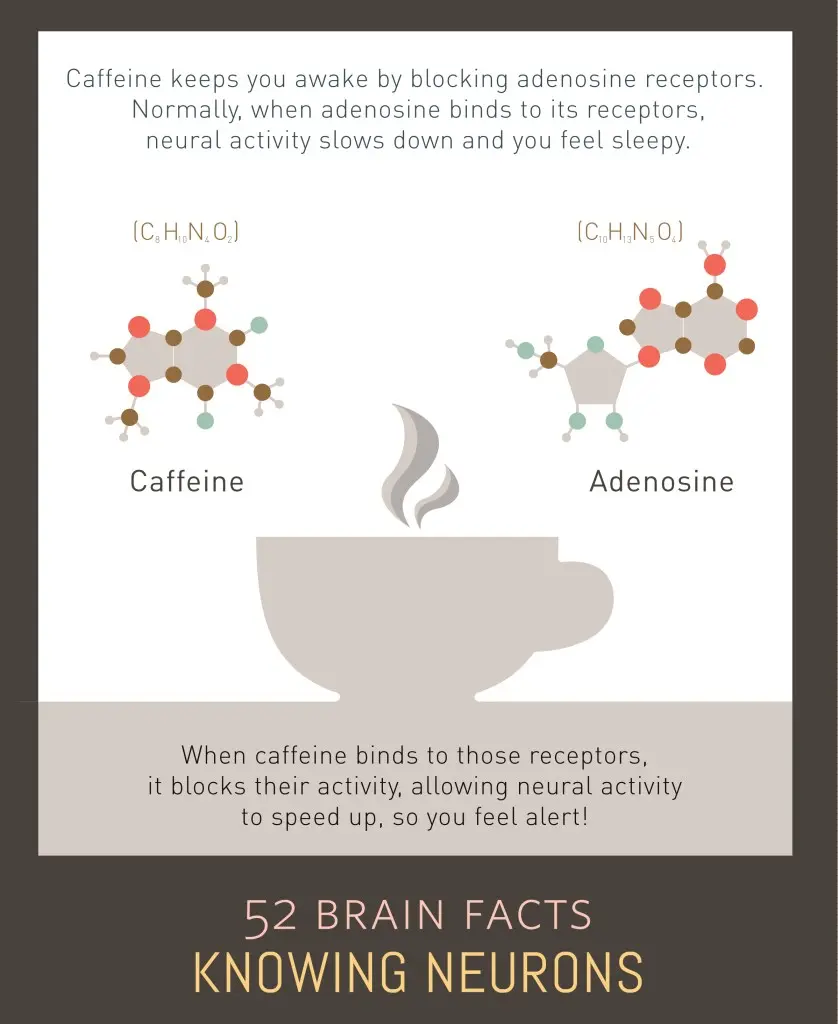
Many students start their day with caffeine either in the form of coffee in the morning, a soft drink in the afternoon, or an energy drink when studying. Caffeine seems to be harmless and even beneficial; however, not everyone knows about the powerful influence that it has on the body and the brain. Caffeine can improve mental focus and overall mood, but high doses of this chemical can cause stress, sleep disorders, and even dependency. Learning how caffeine works makes it possible to see why balance is crucial for health once again.
After consuming any substance containing caffeine, its absorption into the blood happens in about 15 minutes, followed by entering the brain. Then it starts to block the impact of adenosine – a chemical compound that causes the brain to become inactive and relax. In other words, caffeine activates neurons making them work faster. As a result, the secretion of dopamine and adrenaline takes place providing an effect of energy and focus. Moreover, because of the habitual intake of caffeine, the brain starts to produce more adenosine receptors.
Short-Term Advantages
Moderate consumption of caffeine can have distinct advantages. This substance promotes concentration, reaction time, and mood, which explains why students depend on it prior to exams or while studying during night-time. Research also suggests that caffeine can have a positive influence on memory formation in case of moderate consumption of this substance, combined with enough rest and hydration.
However, the border between the benefits and harm is not so clear. The stimulating effects of caffeine, which help a person to be productive, can make him anxious, increase the heart rate, and cause restlessness. As the mechanism of caffeine involves blocking relaxing signals in the body, it can interfere with the process of falling asleep and lead to poor-quality sleep.

The Downside of Using Too Much
Using too much caffeine causes such symptoms as twitchiness, headaches, and gastrointestinal issues. In the case of teenagers, their underdeveloped brain and nervous system become extra sensitive to these symptoms. Caffeine suppresses melatonin, a hormone that is responsible for regulating sleep cycles. Late consumption of energy drinks or coffee affects the inner body clock, causing trouble sleeping and decreasing REM sleep—a phase during which the brain sorts out memories and emotions.
Energy drinks can cause health problems since they are often high in caffeine, coupled with sugar and some other stimulating ingredients. It causes abrupt increases and declines in energy levels.

Positive Ways to Consume Caffeine
Caffeine isn’t inherently unhealthy; it simply requires moderation. The amount of caffeine should not exceed 400 milligrams a day, which is about four small cups of coffee. The consumption for adolescents should not be higher than 100 milligrams daily. Consuming caffeinated drinks along with plenty of water and healthy food will avoid possible side effects.
Moreover, one should pay attention to how their body reacts. In case of experiencing anxiety, palpitations, and insomnia due to caffeine consumption, it is necessary to reduce it gradually. One may substitute some of the caffeinated drinks with water and herb tea.
Conclusion
Caffeine is an effective compound that affects the way our brain processes energy and awareness. When used in limited amounts, caffeine can increase concentration and efficiency; in large amounts, however, it can counteract its supposed effects. For those who find it difficult to keep up with study and exercise, learning about the science behind caffeine is the first step towards not being taken in by it.