
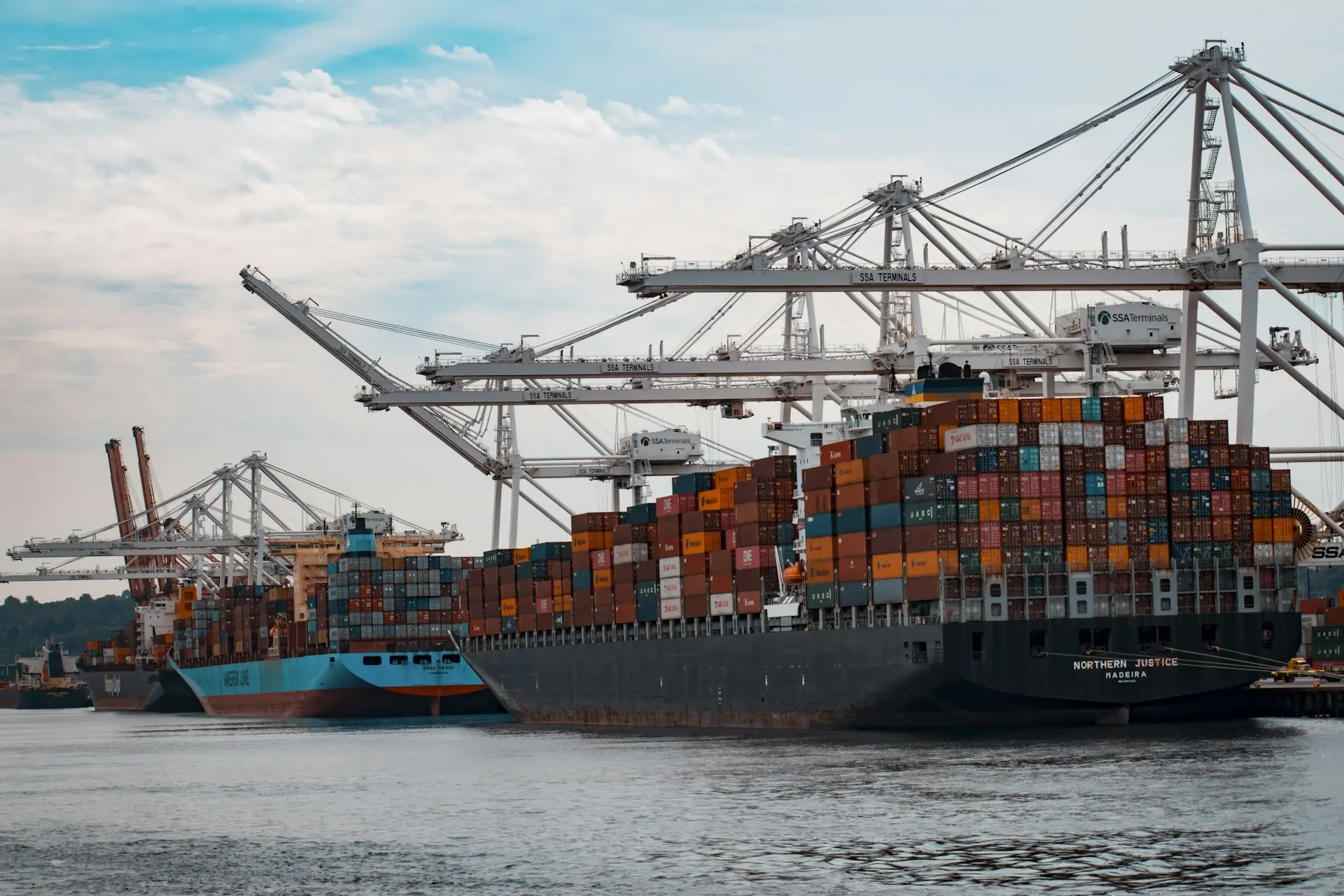
Global trade is no longer an invisible process. Previously, the domain of efficiency and cost-saving, global trade has now become an integral part of geopolitics. Governments across the globe—from Washington to Brussels to New Delhi—are now changing supply chains in order to make them more efficient but resilient too. The post-pandemic period between 2024 and 2025 has seen the redefinition of global supply chains that is unparalleled since the industrial revolutions of the 19th century.
The disruptions caused by COVID-19 taught everyone how brittle the just-in-time manufacturing processes could be. The invasion of Ukraine by Russia and Taiwan tensions added to these learnings. The current global thinking has become clear: just as much as supply efficiency, supply security is important too.
Conclusion
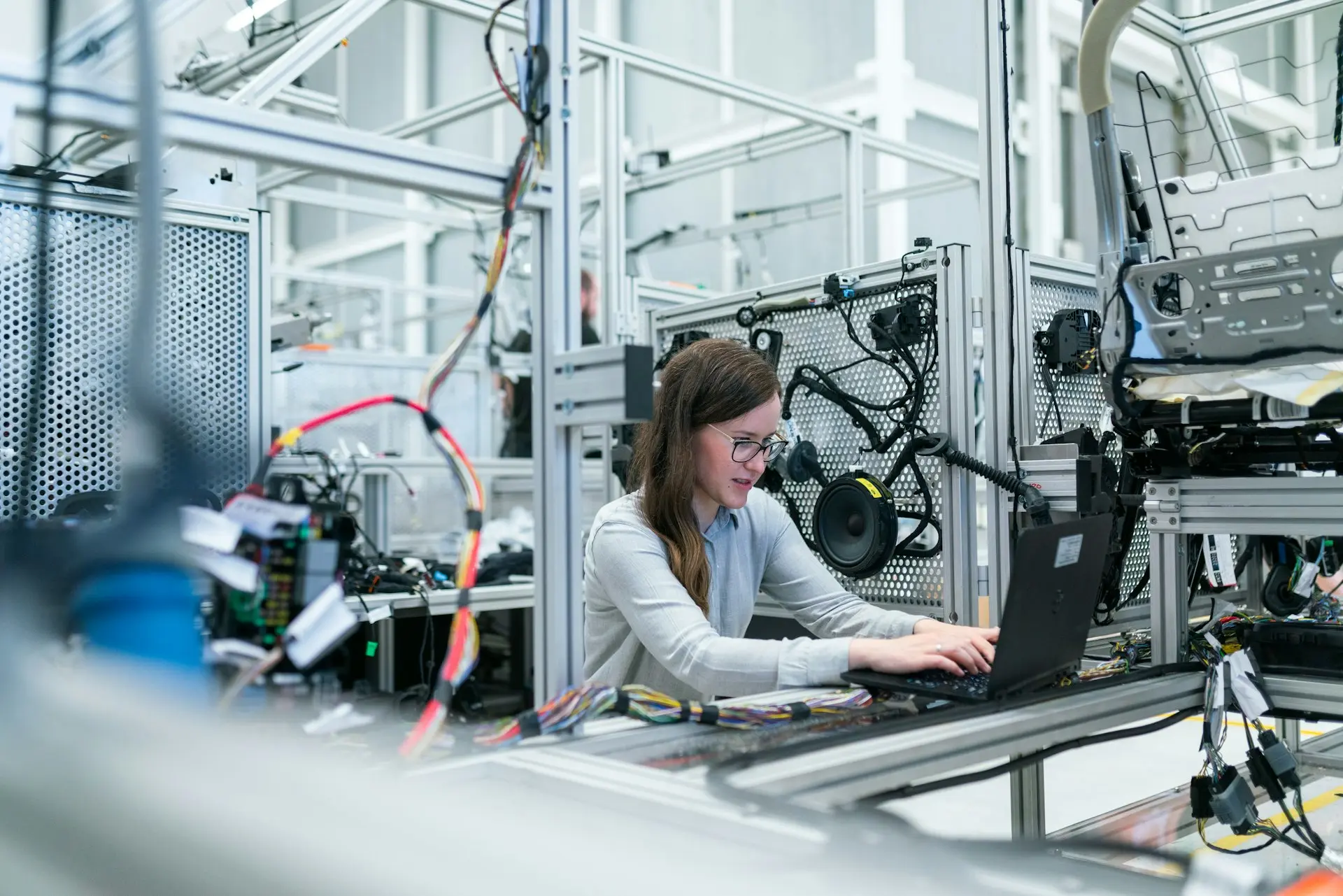
Global production networks fine-tuned for efficiency were designed and perfected by companies for several decades. Components were shipped across the world to arrive right on time. However, the coronavirus outbreak revealed vulnerabilities of such a system. By 2024, businesses started to focus on the "just-in-case" approach to logistics by introducing redundancy through regional centers, additional suppliers, and inventories.
This shift has entailed increased capital spending. Consulting data reveal that corporations invested more than $2 trillion in the restructuring of their supply chains in the years after 2021. Semiconductor makers, car manufacturers, and pharmaceutical companies took the lead in building alternative facilities in North America, Europe, and Southeast Asia. While efficiency decreased slightly, resilience improved substantially.
Friend-Shoring Comes to Life
A key aspect of this new trading system is friend-shoring—the movement of production to politically aligned nations. The concept, introduced by U.S. Treasury Secretary Janet Yellen, became widespread post-2023 when Western nations began looking for ways to cut their dependence on China.
Vietnam, India, and Mexico proved to be significant gainers from friend-shoring. These nations were chosen by tech giants such as Apple, Samsung, and Tesla for expanding manufacturing operations. At the same time, American and European corporations began sourcing materials and components from the southern nations.
It became a fragmented global economy, where production is shaped by geopolitical considerations. It remains global, but it is less interdependent and ideological at the same time.
Repositioning of China
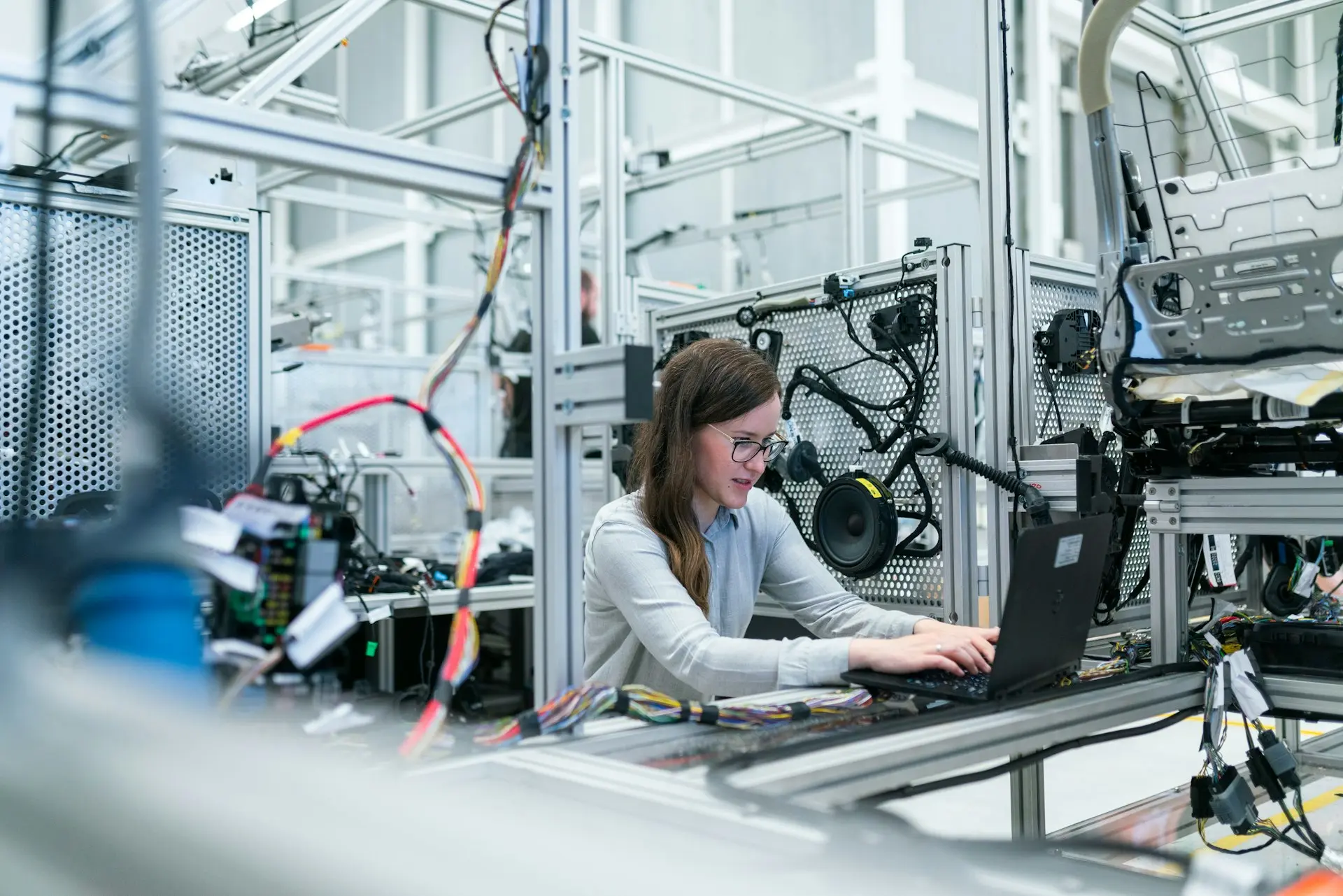
China continues to be central, but its position has changed. From years of being called the "factory of the world," Beijing is now focusing on technology independence. Industrial strategy favors semiconductors, green energy, and robots. Companies from other countries are facing tough rules regarding data security but also incentives to locate their research and development facilities along with the production.
In 2024, China’s share of global manufacturing production fell to 28% for the first time in decades. However, its supremacy in battery production for electric vehicles, rare earth refining, and photovoltaic panels continues. The Belt and Road Initiative has also shifted focus to digital infrastructure and renewable energy projects.
The Cold War in Semiconductors
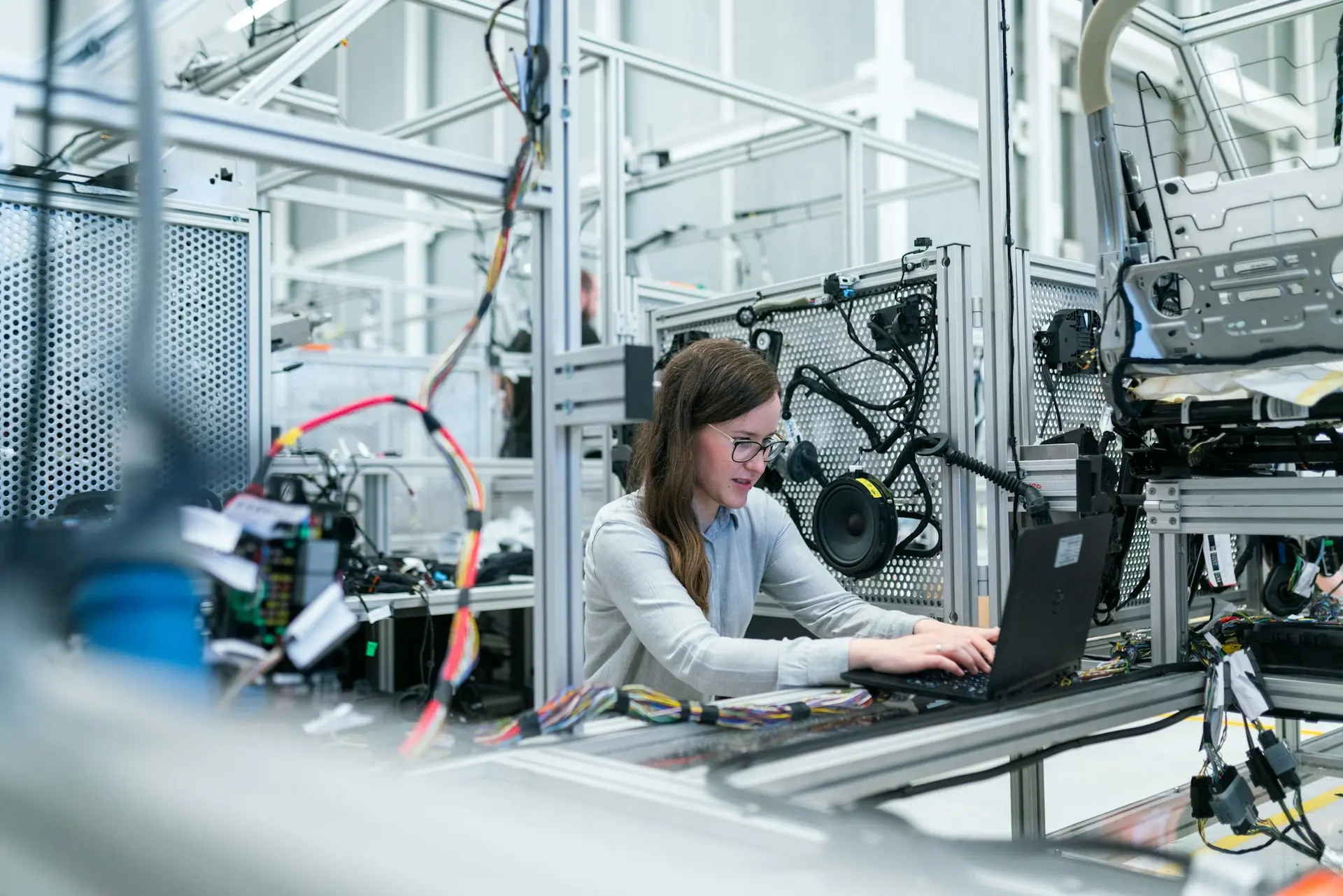
Nowhere does the new geopolitics of supply chains find its clearest expression than in the world of semiconductors. The U.S. CHIPS Act has led to over $200 billion of investments being announced in Arizona, Texas, and Ohio. While the EU's response seeks 20% of global semiconductor manufacturing by 2030, TSMC of Taiwan, Samsung of South Korea, and Rapidus of Japan have all been diversifying their semiconductor production facilities through government incentives.
This is not just a matter of economics but of geopolitics too. Advanced semiconductors are at the heart of everything from artificial intelligence to defense capabilities. To paraphrase an expert on the topic: "Semiconductors are the new oil."
Logistics and the "Digital Supply Chain"
Moving beyond the factory floor and mine shaft, digitalization is changing how supply chains operate. AI-enabled logistics systems predict demand peaks, create optimal shipment routes, and prevent chokepoints. Blockchain-powered authentication guarantees authenticity at all levels of the supply chain, preventing counterfeiting and increasing traceability.
Leading ocean carriers such as Maersk and MSC use predictive analytics to forecast port congestion several weeks out. By 2025, more than 60 percent of global trade documents will be electronic, saving organizations billions. The move from paper to networked data is speeding up trade processes but exposing them to cyber risks, fueling cybersecurity investments in supply chains.
Conclusion
Globalization is not dead; it is changing. The post-pandemic world is the age of calculated connectivity replacing simplistic interdependence. The days when supply chains were simply logistics operations are gone; they have become tools for strategic planning.
This new global economy is an economy where distance is back, location provides advantage, and the movement of goods is synonymous with power politics.