
In virtually all the million suburbs in America, one thing that you will most definitely encounter is the car. From images such as Route 66 and NASCAR, the automobile has established itself firmly within the American culture. This passion for the car has had a major impact on how communities have been built. Many suburbs in America cannot be navigated unless with the aid of an automobile. The use of automobiles has resulted in numerous negative outcomes, among which include separation of neighborhoods, pollution, and increased inequities. However, is there a solution to this problem? Is there a more equitable and liberating design that could be implemented? Fortunately, there is, and many suburbs have done so already.
The major problem with the existing suburbs lies in its simplicity and the lack of diversity. Suburbs typically only offer one kind of housing, which is a detached house. Detached houses per se are not bad things, since this type of housing is what the majority of people prefer. What is bad about this situation is that there is no other alternative left for potential homeowners but a single-family home even if this is not what they want. Those who cannot afford a single-family home will have no other options but either renting or leaving the town.
In addition, developing only single-family homes is costly to maintain. Due to the fact that only one family can occupy one house at a time, fewer individuals will be housed in total, resulting in fewer taxpayers maintaining water supplies, sewage and drainage, and paved streets. Moreover, this form of development provides fewer opportunities for socializing. In a generation having problems with socializing, due to the coronavirus pandemic, such development makes the problem even worse. The worst thing is that in most American cities, it is mandatory. Zoning regulations prohibit all other forms of development from being built.
What will our suburbs look like if we built them differently? Creator Streetcraft thought about it, and the results were amazing. In the mockup of a different suburb, he provided six times as many housing options but made sure to note that over 50% of them are single family houses. Neighborhoods are easily accessible and linked together, thus making the community closer and more equal. It is also less expensive because the community stays at low density and there is no need to build any new roads or utilities.
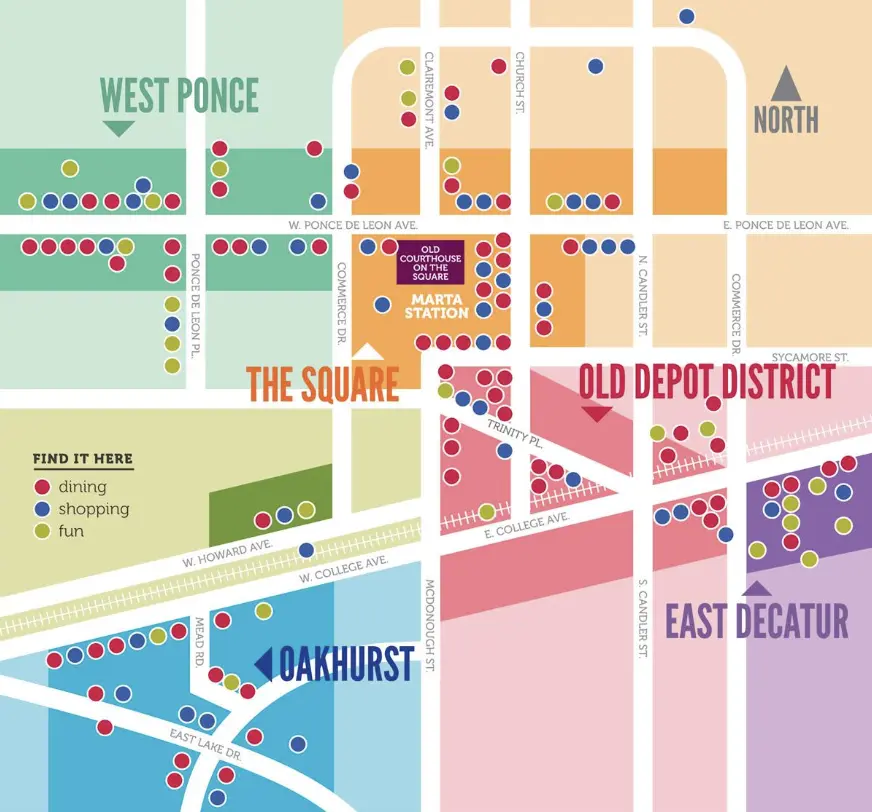
Decatur, Georgia can be mentioned as one example of a city that demonstrates good suburban design. Using an advantage of an older street layout, Decatur City offers choice options to its citizens. There is a vibrant downtown area which has attractive buildings and a railroad which leads to the downtown area of Atlanta using MARTA transit. Outside the downtown area, just like the model of Streetcraft, there are a lot of areas for housing which have lower density. There is an option for single-family houses, townhouses, and apartments. Although certain parts of Decatur suffer from crime, most residents live comfortably.
The problem of street design might appear insignificant at first glance; however, its advantages are self-evident when considering the future. Consider the Netherlands where Dutch children are the happiest kids in the world; one of the factors contributing to this happiness is the neighborhood where the kids live. People from both liberal and conservative camps will strive to politicize the topic; however, I do not perceive it politically. The pillars of new suburbanism are based on principles that I would assert are a foundation of consensus among many Americans regardless of their political affiliations. My conviction is that people should be provided with freedom and choice in everything, including the design of our community. Americans could come to understand that we have more in common than we think by living in such neighborhoods.