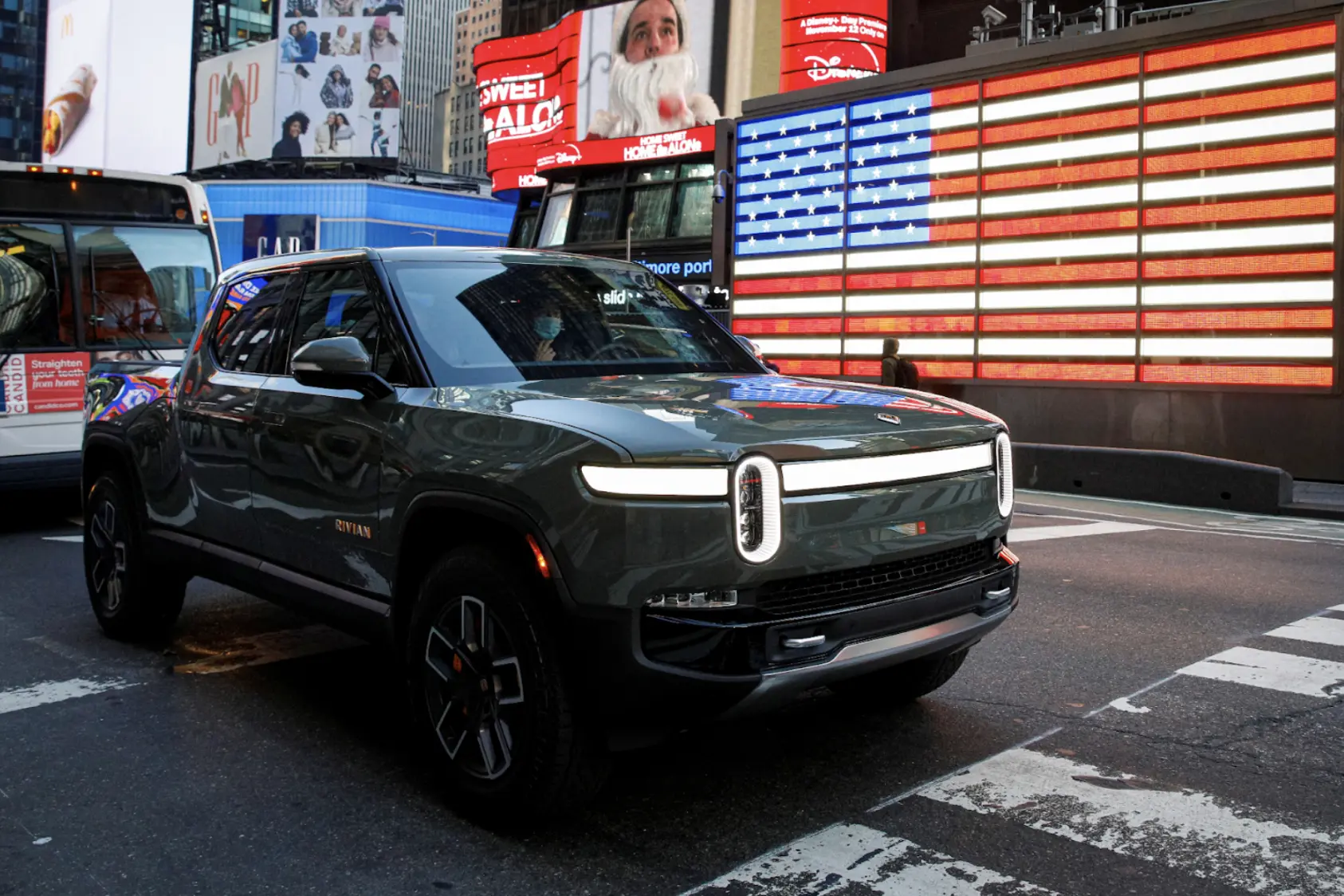
Finance & EconomicsTesla, Apple, and Amazon, to name just a few, are some of the biggest companies traded on the stock exchange. However, many investors have found that instead of trading stocks, it's much better to trade on them…
Read article 01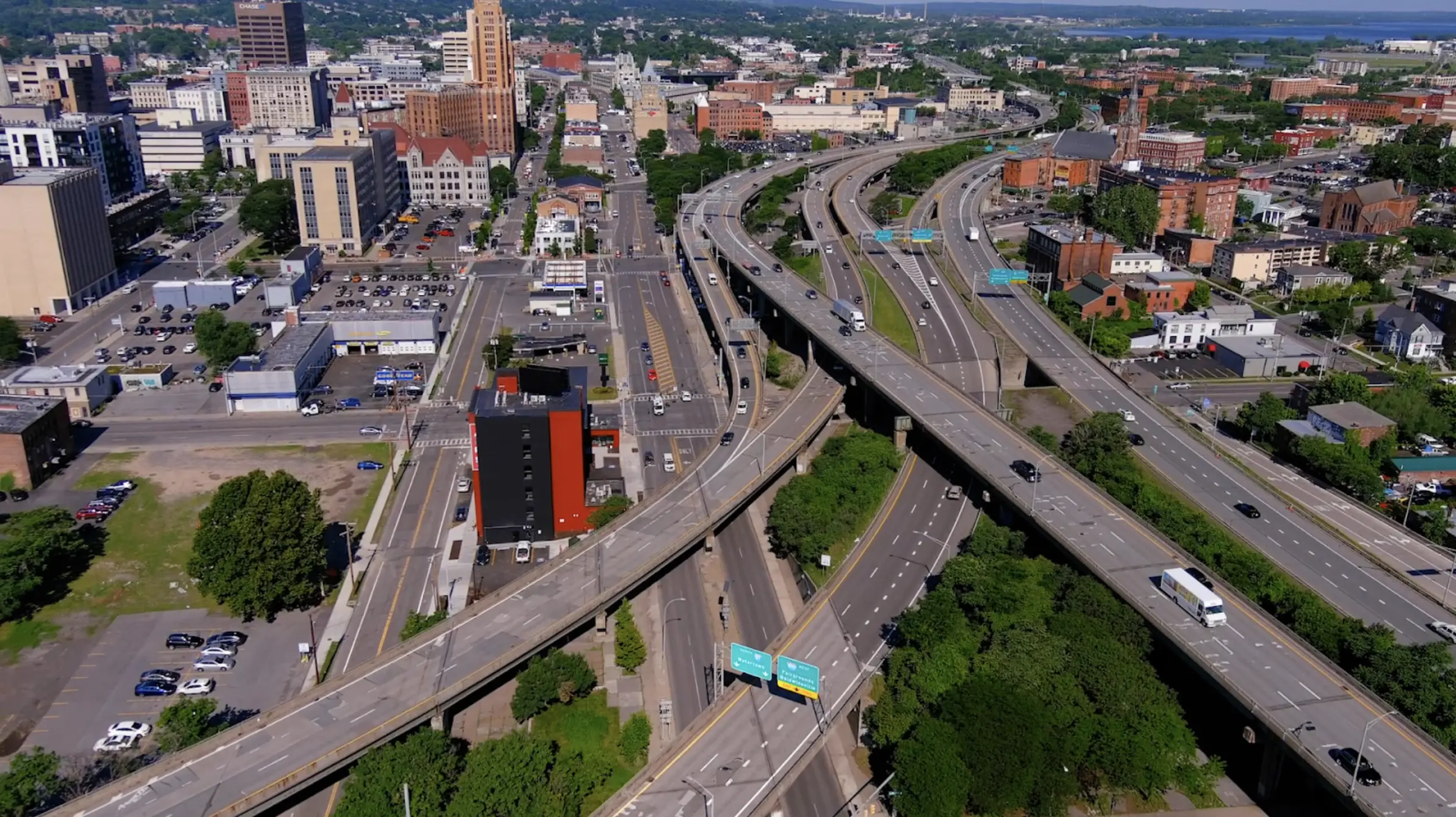
Policy & SocietySyracuse is considering dismantling its aging I-81 viaduct and re-connecting divided communities, long isolated by the highway.
Read article 02
Finance & EconomicsThe U.S. Economy vs. The World
Read article 03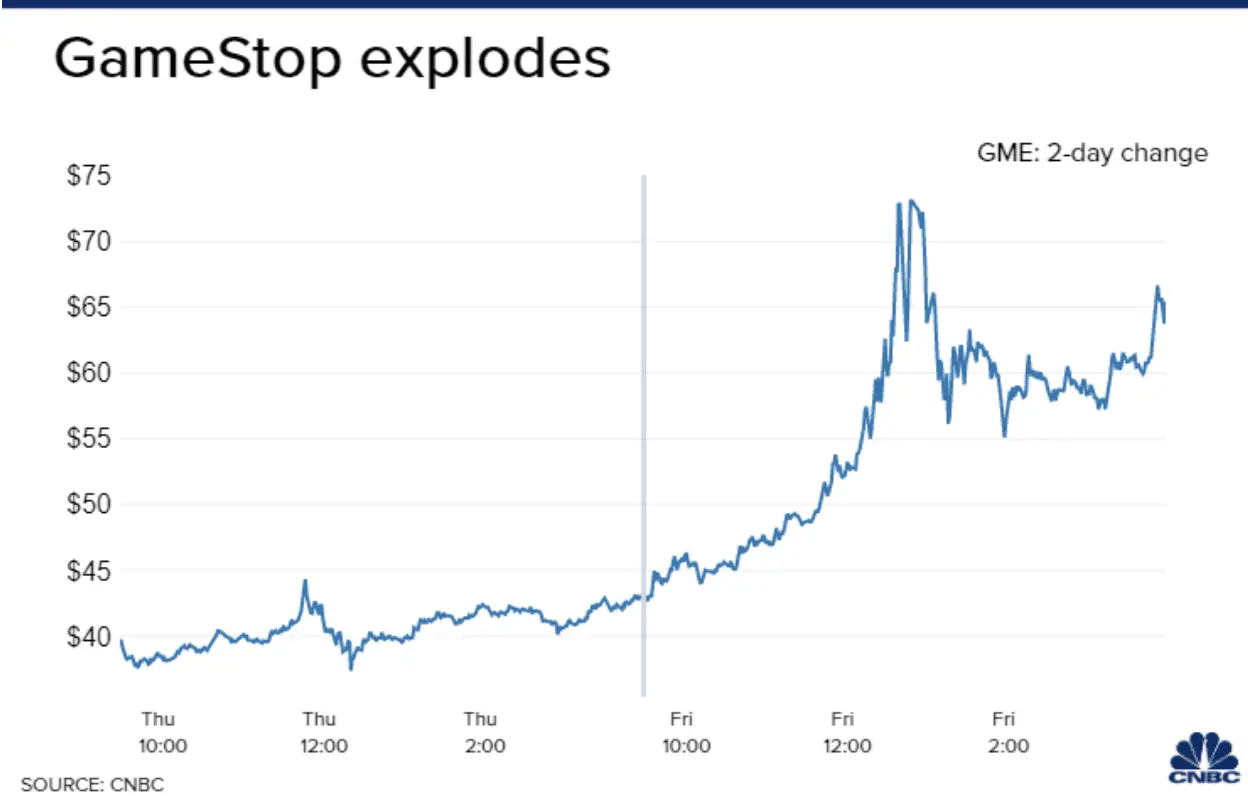
Finance & EconomicsGameStop. Famously being the grimeiest store in a dead shopping mall, it became a center of scandal in 2021 when Wall Street investors were horrified seeing how their investment turned into ashes. But why? Why…
Read article 04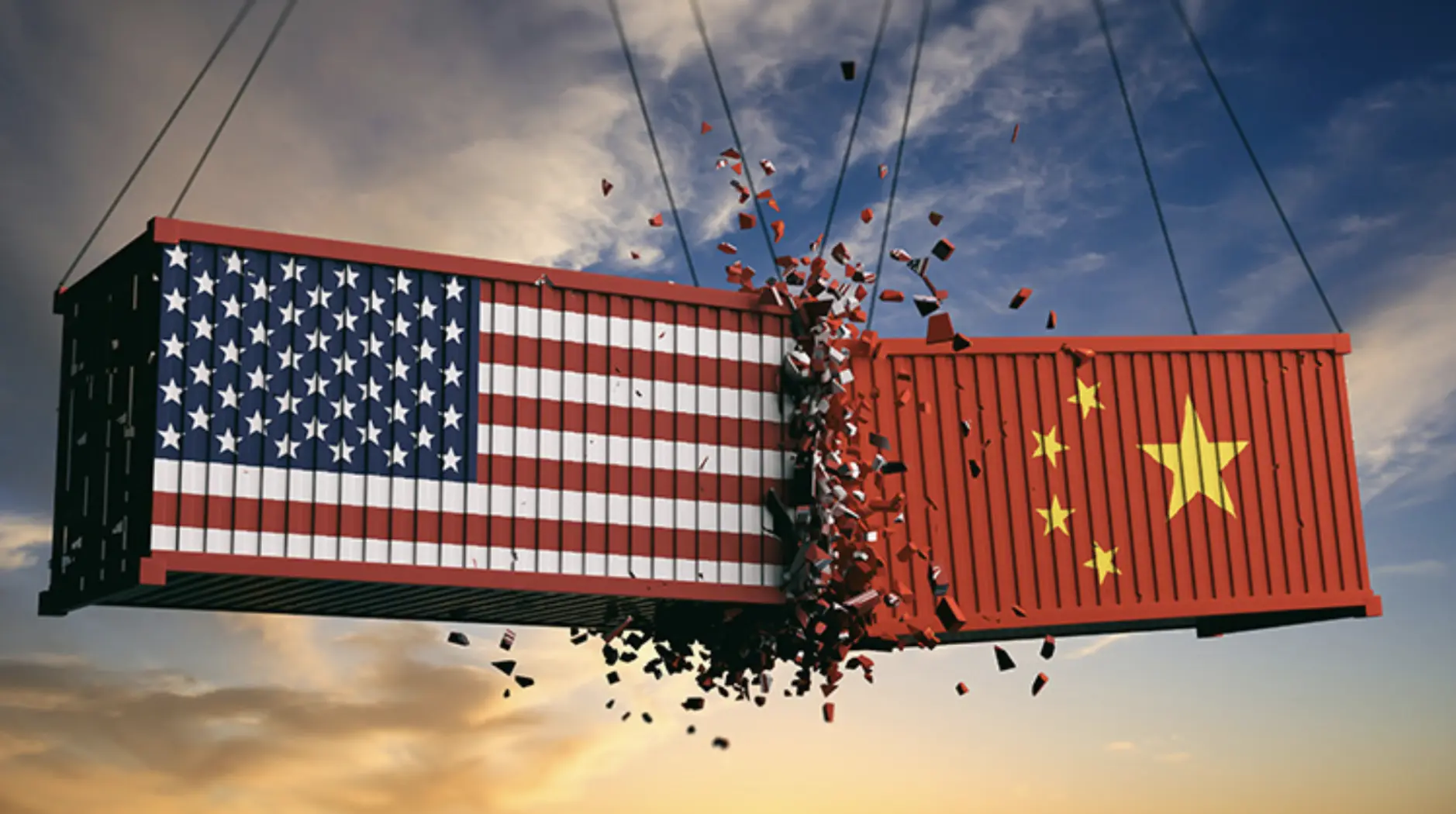
Policy & SocietyTariffs continue to be one of the most controversial tools in 2024 as they fuel discussions about the effects of this economic weapon on the development of the economy and international relations. Being the tax…
Read article 05
Policy & SocietyIn virtually all the million suburbs in America, one thing that you will most definitely encounter is the car. From images such as Route 66 and NASCAR, the automobile has established itself firmly within the Am…
Read article 06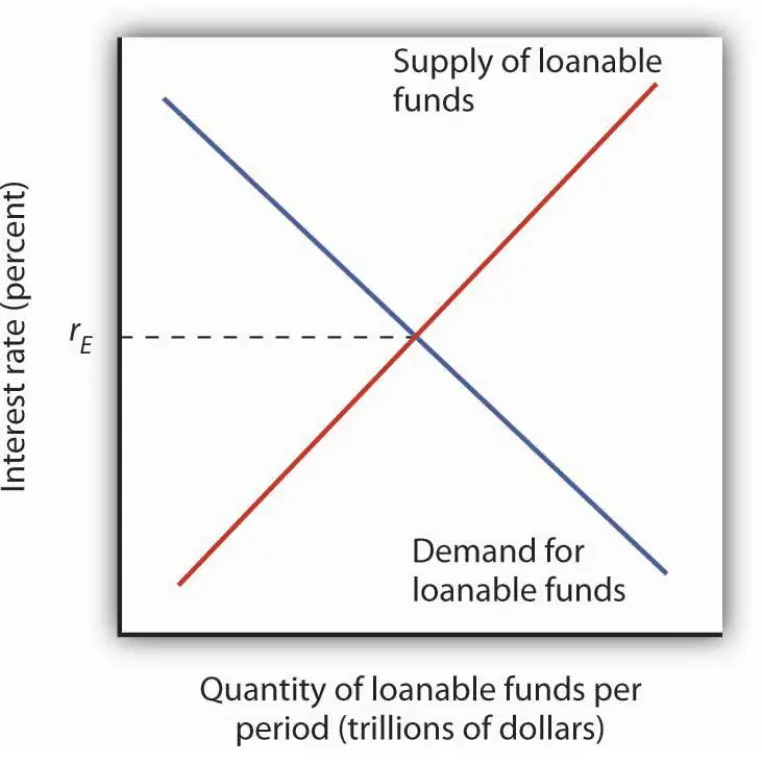
Finance & EconomicsWhenever economic issues take center stage in the political arena, much of the discussion focuses on the White House. Entire election cycles have been defined by the economy, best encapsulated by James Carville’s famous phrase: “It’s the economy, stupid.” A president in office during a period of economic expansion is likely to be rewarded at the polls, while the opposite is true during a recession. Although the president and the executive branch have measurable influence over the economy, it is Congress and the Federal Reserve that have a more significant impact through two distinct avenues: fiscal and monetary policy.
Read article 07