
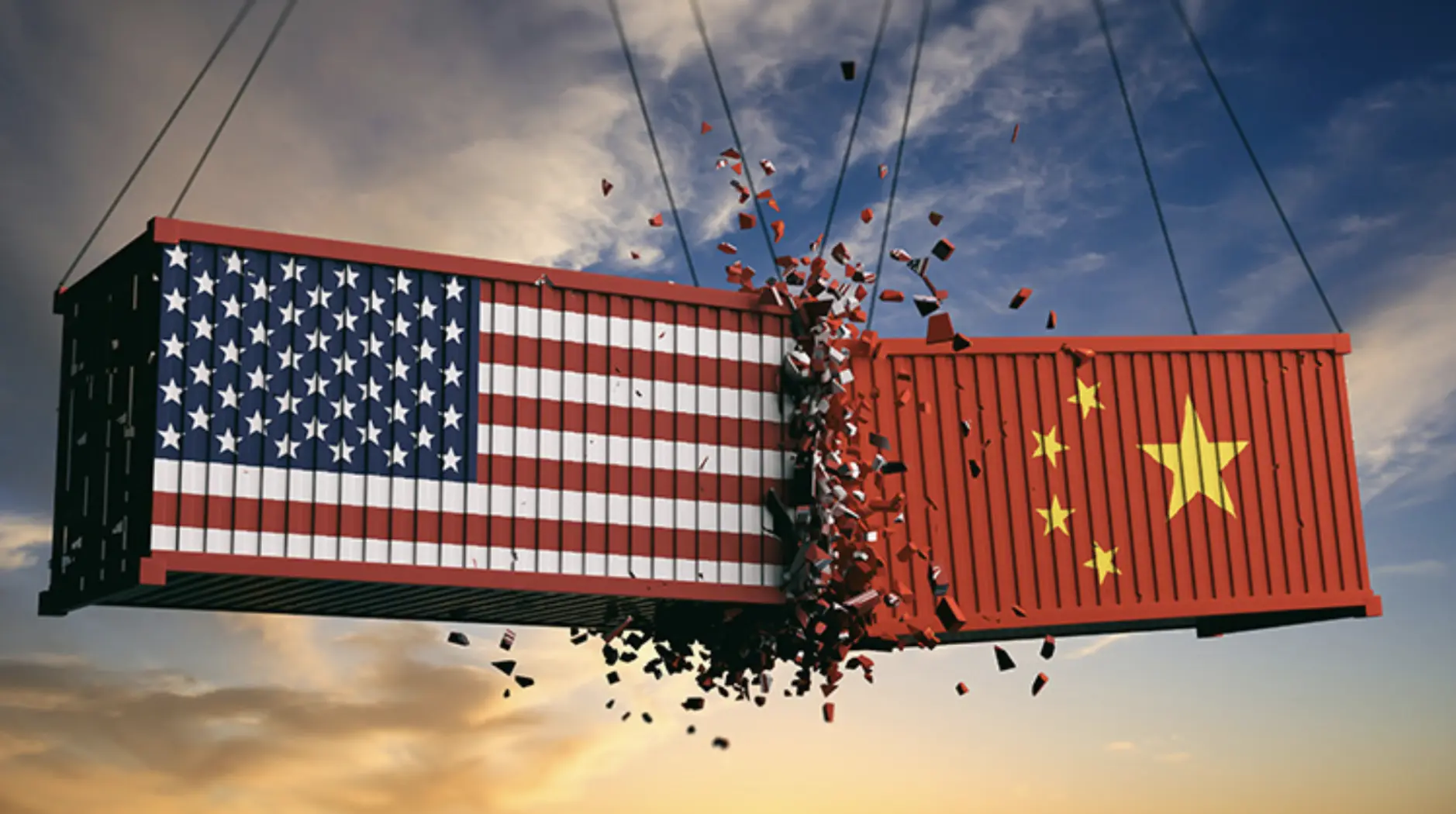
Tariffs continue to be one of the most controversial tools in 2024 as they fuel discussions about the effects of this economic weapon on the development of the economy and international relations. Being the taxes on imports, tariffs allow defending domestic industries from foreign products. However, there are several negative consequences of this tool which affect not only companies but also consumers.
The most powerful reason to use tariffs lies in protecting the domestic industry from cheap foreign competitors. In different sectors of the economy such as manufacturing, agriculture, and technology, the introduction of tariffs allows creating a protective barrier for local businesses. For example, in the USA, tariffs on imported semiconductors have stimulated the production of those components inside the country, creating numerous job opportunities in an industry considered important for the nation's security.
However, the tariffs do come with their downside. They can increase the prices of imported goods greatly, increasing the costs of electronics, food, and many other things. In times of consistent inflation, tariffs will be a burden to people’s budgets, especially low-income families. Diplomatic relations might also suffer; when a country imposes tariffs, others follow suit, which results in trade wars damaging both parties. The example of the current U.S.-China trade war proves this point, and it involves numerous layers of retaliation through the use of tariffs.
On top of all economic aspects, tariffs have developed into tools of politics. The countries have started to use tariffs as a means of putting diplomatic pressure on others regarding the matter of human rights protection or environmental policies. This year, the EU introduced carbon tariffs on countries with poor environmental legislation. The point here is that this policy is viewed critically by many people who think that such tariffs might damage developing countries.
The supporters of tariffs say that such a policy would enable the creation of economic stability over time through fostering local productions and minimizing reliance on imported goods. There is a heightened need for reshoring due to the increase in tariffs, and this strategy will work since it reduces the competitiveness of imported goods. There has been an increase in popularity for this strategy due to supply chain disturbances which show the danger in having foreign nations provide one with essential goods. Nevertheless, there is a problem associated with the use of tariffs to foster production, and this is the lack of innovations.
There will be several factors affecting the effectiveness of tariffs in 2024, and these will largely depend on how the policy makers choose to implement them. Tariffs offer protection in the short run while having the potential of becoming an issue in international relations, increasing the cost of living for consumers and discouraging industries to evolve. It is therefore very crucial for the policy makers to be able to achieve balance in their use of such policies.
In conclusion, tariffs are not that easy to deal with. They possess both the capability to shield and boost the economy, but they also have the potential to hurt it as well. In a constantly changing economy, there is a need for striking a balance between these policies. Through striking such a balance, tariffs can achieve greater objectives in the future.