
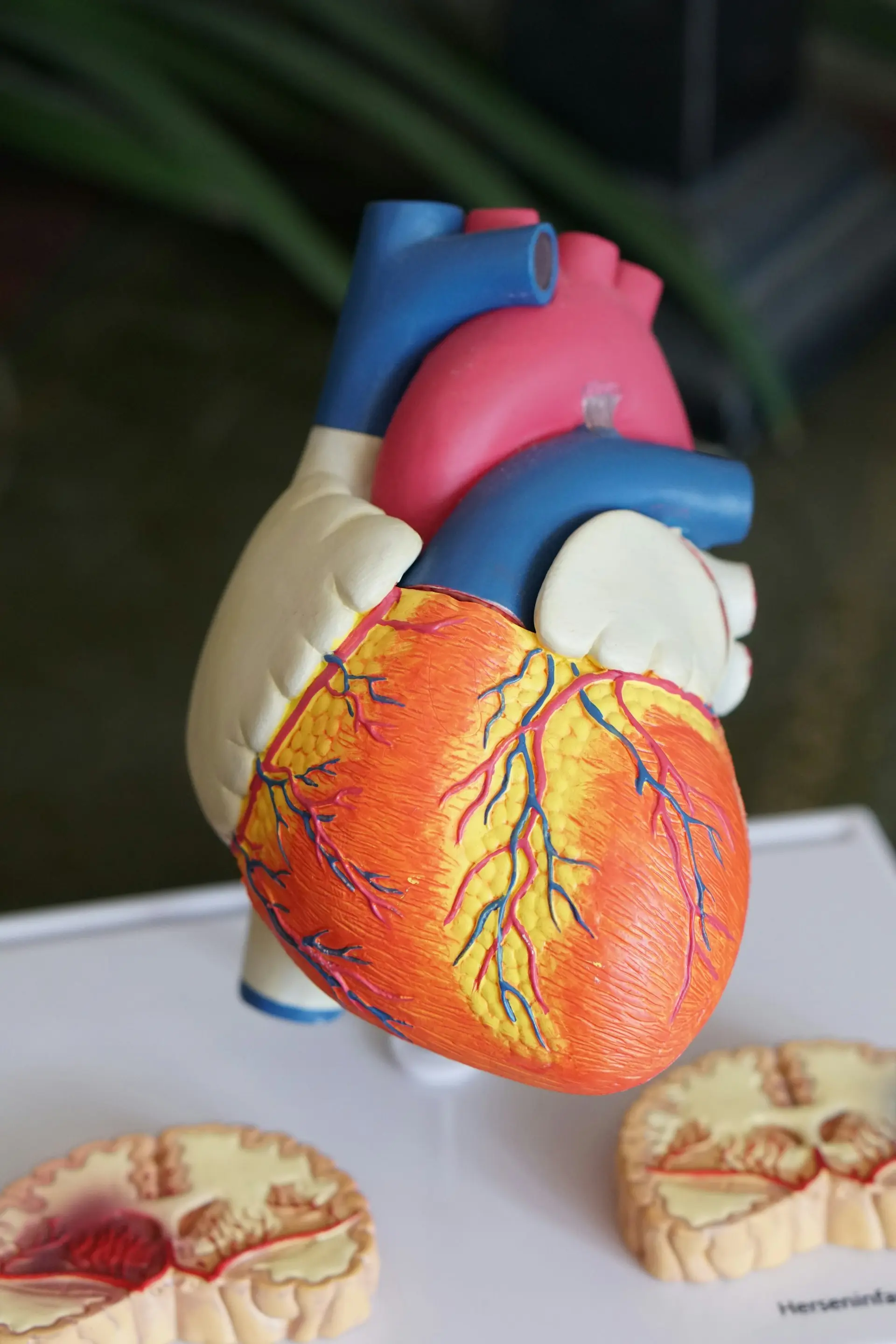
Every heart beat, breath, and mental process occurs due to chemistry. In each cell of our body, thousands of biochemical reactions take place per second – reactions of breakdown of food substances, energy generation, tissue construction, and communication within the body. This whole complex network of biochemical reactions is known as biochemistry – a field that studies the processes of chemistry behind the functioning of the organism.
Biochemistry is the bridge between the world of atoms and molecules and the world of cells and tissues. Biochemistry reveals the principles of formation of complicated structures from simple molecules, such as glucose, amino acids, fatty acids. Studying molecules, biochemists learn not only the functioning of our body under normal conditions, but also causes of diseases.
The Molecules That Make Us Life exists because of the following four primary categories of molecules: carbohydrates, lipids, proteins, and nucleic acids. Each of them plays its unique part in the chemistry of the body. For instance, carbohydrates, such as glucose, represent the body’s source of energy and get used up in cellular respiration to yield ATP (adenosine triphosphate), which drives all cell activities. Fats, or lipids, serve to create cell membranes and are kept in the form of energy storage units. Proteins represent the body's machinery and perform functions of enzymes and hormones, as well as compose structural parts of tissues like muscles. Nucleic acids (DNA and RNA) store and carry genetic information, responsible for all aspects of our appearance and functioning, from eye color to functioning of enzymes.
They work together in various ways. For instance, enzyme amylase in saliva starts to break down starch into sugar right after food enters the mouth. Then other enzymes digest proteins into amino acids and fats into fatty acids in stomach and intestines. The small building blocks of macromolecules get into the bloodstream and cells use them for maintenance, energy production, and homeostasis.
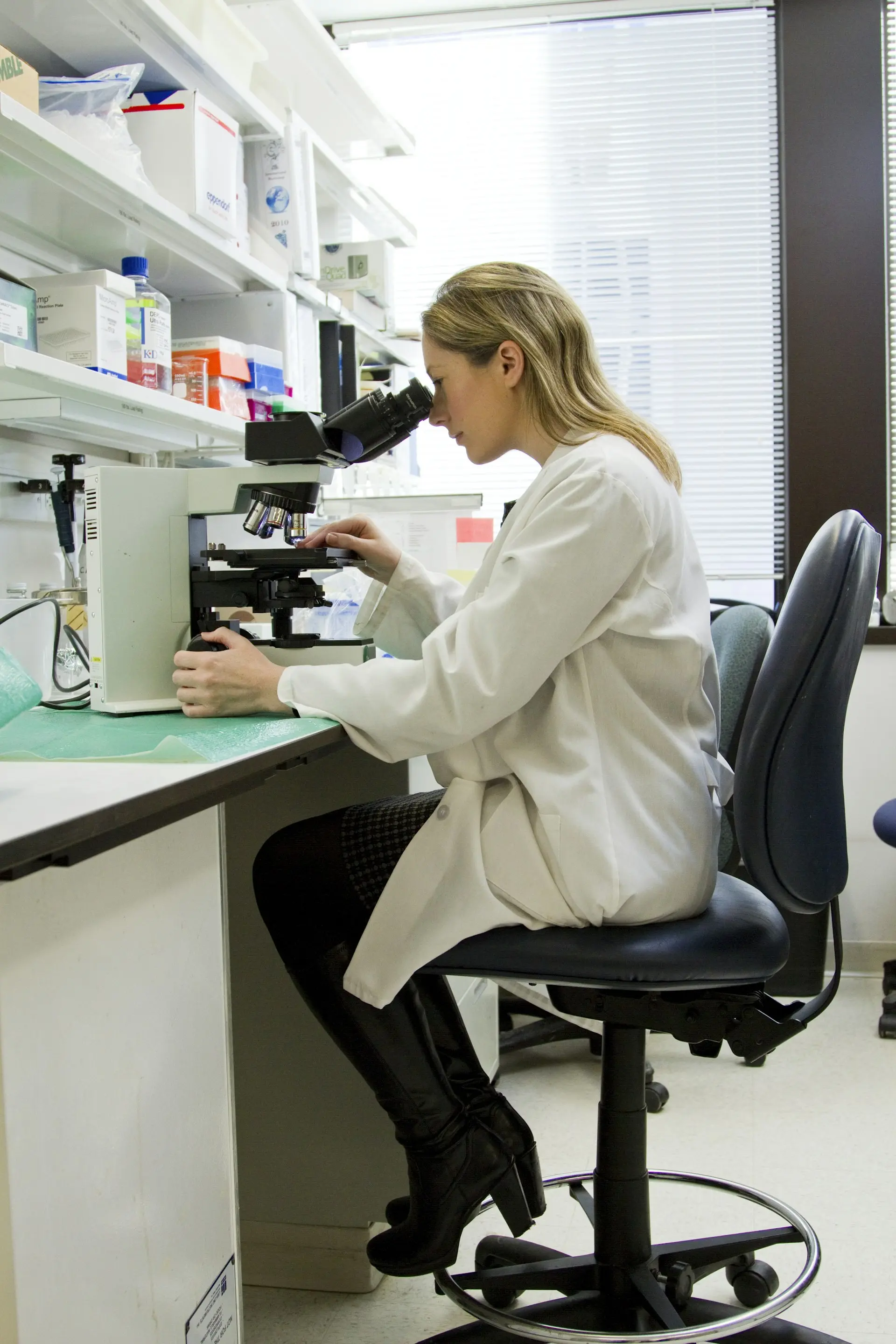
Energy: The Currency of Life All processes in living organisms need energy. This includes muscular contraction and transmission of nerve signals. The substance that stores and transfers energy is known as adenosine triphosphate (ATP). It can be compared to a battery. In order to get energy, ATP is transformed into ADP (adenosine diphosphate), which releases a phosphate and energy.
ATP is constantly synthesized in the cell by means of processes such as glycolysis, Krebs cycle, and oxidative phosphorylation. They constitute cellular respiration processes. All these occur in the organelles of the cell, known as mitochondria ("powerhouses of the cell"). An important element of cellular respiration is oxygen, since it allows the organism to use energy resources of glucose completely. Otherwise, anaerobic respiration takes place. Lactic acid is formed and fatigue occurs.
Biochemistry in Medicine Knowledge of biochemistry has completely revolutionized modern medicine. Diabetes is a biochemical disorder characterized by a dysfunction in the secretion of insulin that regulates blood glucose levels. Cancer is caused by malfunction in DNA replication and protein synthesis, whereas the cause of neurodegenerative disorders like Alzheimer’s is misfolded proteins and oxidative stress.
Knowledge of biochemistry even helps develop new medication to fight the various illnesses. Modern drugs act through targeting particular enzymes or receptors to fix a biochemical imbalance or stop a biochemical reaction. Even diet and physical fitness are governed by the basic concepts of biochemistry in terms of carbohydrates being used up quickly, fat providing sustained energy, and proteins repairing the muscles.
The Future of Biochemistry As technology improves, biochemistry is moving from the realm of observation to the design of enzymes, engineering of bacteria for producing medicines and altering metabolic pathways through the means of synthetic biology. Personalized medicine allows physicians to prescribe treatments based on the biochemical profile of a patient, which comprises his or her DNA and metabolism.
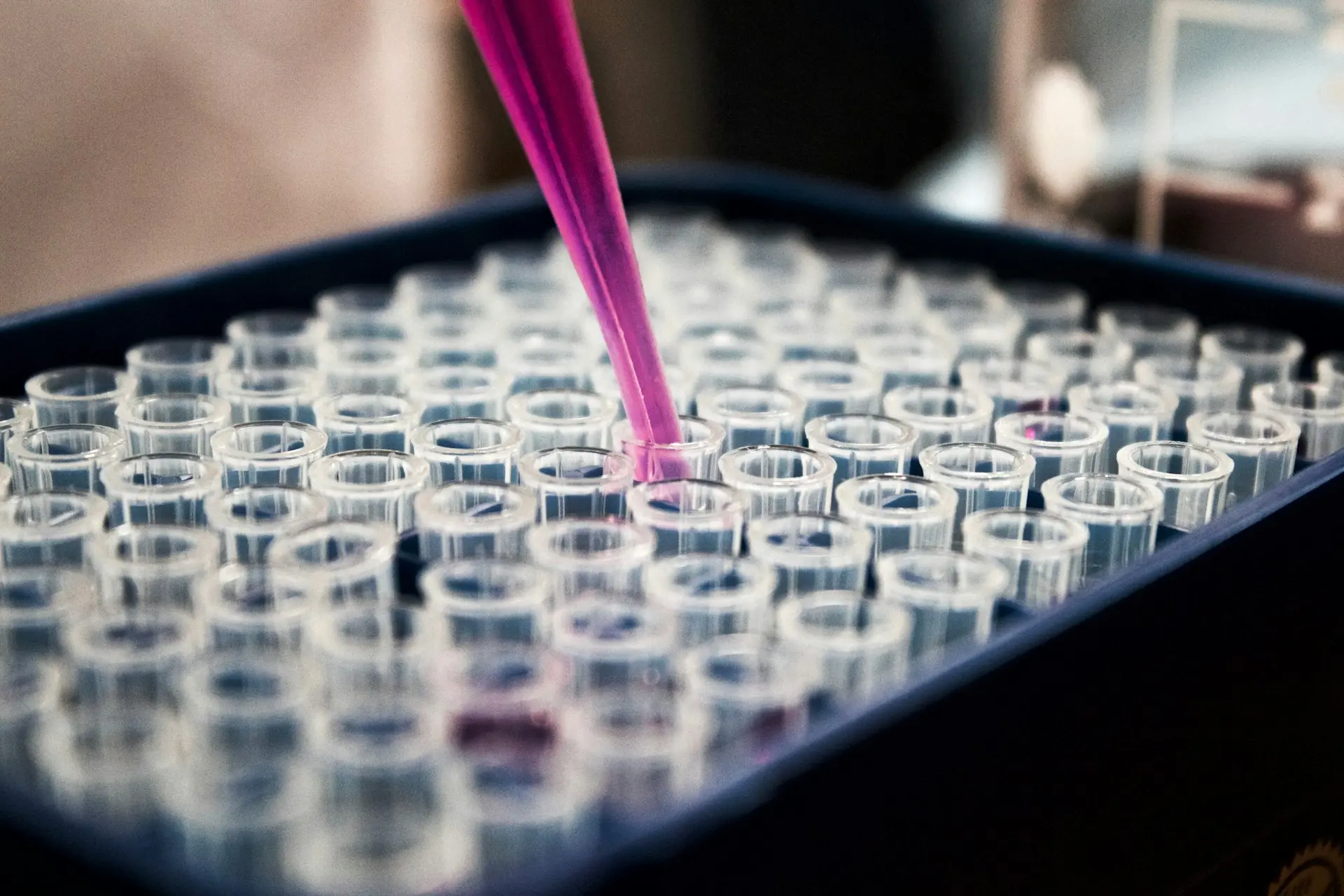
Biochemistry proves once again that life is chemistry, and chemistry is life itself—complex processes of interrelated reactions that need to be maintained in equilibrium to ensure the continuity of life. Understanding these reactions is the only way to learn how to keep life going.
Conclusion
All cells of a person are tiny laboratories in which reactions occur, supporting our lives. Thanks to biochemistry, we can find out about these reactions and learn more about ourselves. From the process of food consumption to thinking, everything comes down to molecules and energy transfer. Life chemistry may be unseen, but its influence is evident everywhere in each heart beat and breath.