
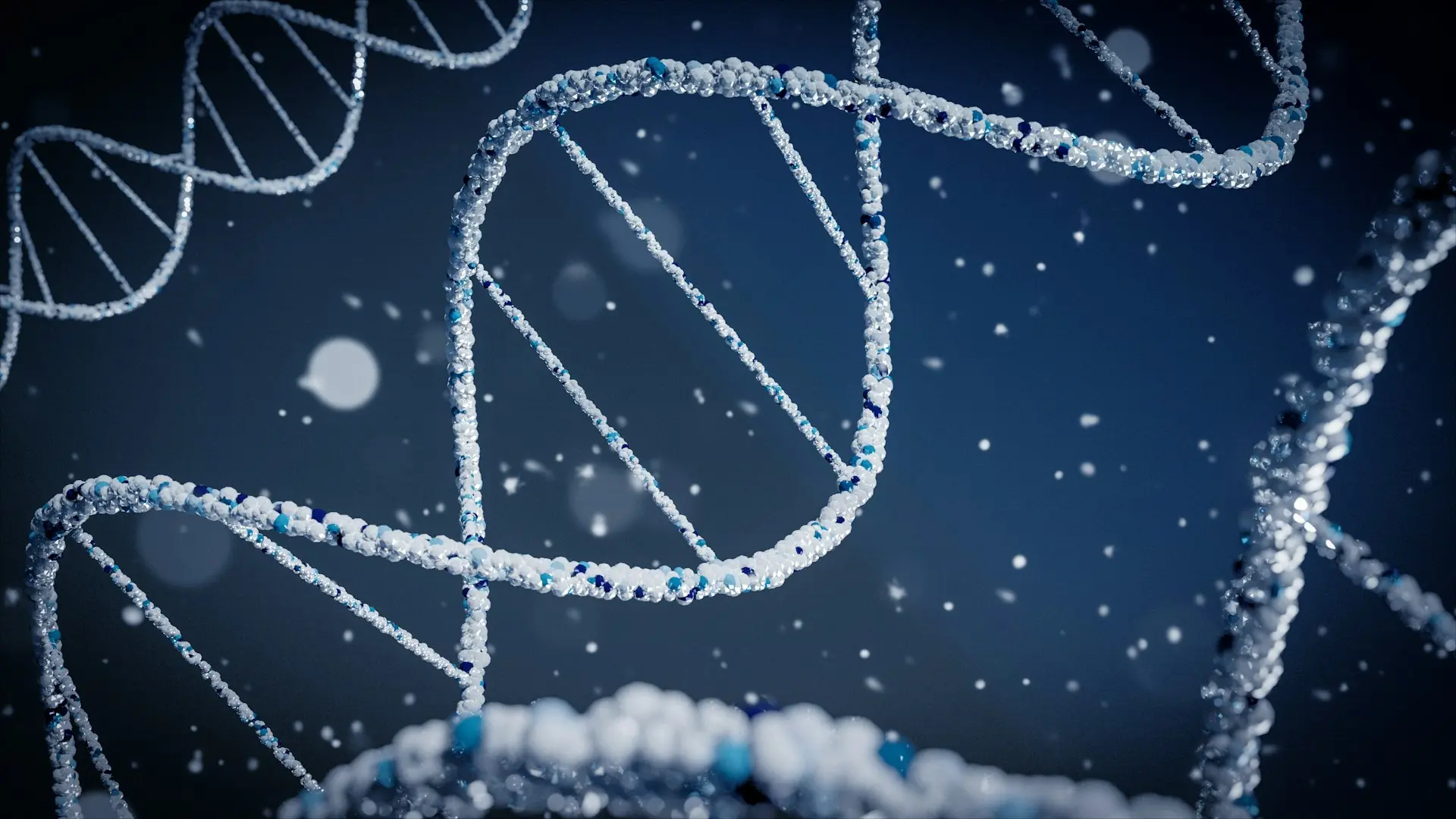
When you consider the factors that allow you to live, you may think of your heart beating or breathing but, at the end of the day, life occurs at a cellular level. Your body is made up of trillions of cells, which act as miniature factories working continuously to keep you alive. Every individual cell executes thousands of chemical reactions per second, communicates with other cells, and responds to its environment. Without cells, no organ or process of the body can occur.
The cell is the smallest unit of life that displays all the characteristics of being alive. Cells in humans come in different forms, depending on their functions. Some of the cells include nerve cells, which have a long and slim appearance, used for signal transmission in the brain; and the round red cells, responsible for transportation of oxygen. However, despite their differences, all cells share some common features, including the cell membrane, nucleus, and organelles, which function as the departments of a corporation.
The Interior of the Cell: A Tiny City
There is a lot of order within one cell. The nucleus is the control center of the cell; it holds all the information about how the cell will create the proteins that help carry out various functions. Ribosomes produce the proteins by combining amino acids. Endoplasmic reticulum modifies these proteins to give them the right shape, similar to what happens on a factory line.
The energy source of the cell is the mitochondria, often referred to as the "powerhouses of the cell." These structures generate the fuel for various activities, such as muscle movement or nerve transmission. All that is done by transforming molecules of glucose into ATP (adenosine triphosphate). Lysosomes break down any waste materials so that no part of the cell goes to waste.
Communication and Coordination
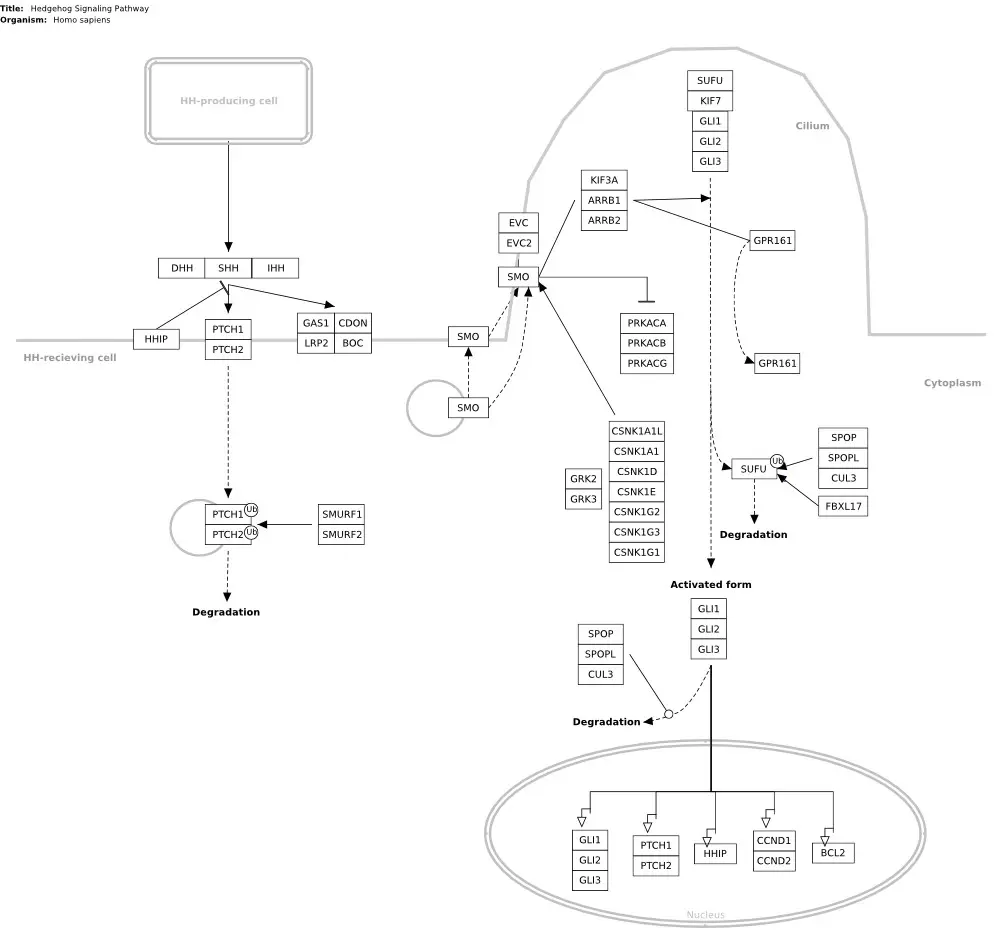
Cells do not work by themselves, but interact with each other via chemical messages. Hormones, neurotransmitters, and ions are the messengers that let cells of different organs coordinate their responses. For example, after eating, pancreas cells produce insulin, which tells liver and muscle cells to take up glucose. In the immune system, white blood cells use chemical messages to fight infections. Thus, information exchange unites trillions of cells into one organism.
Disruptions in communication and functioning, however, may cause illnesses. If the cell division is out of control, it leads to the development of cancer. If the energy creation process fails, it causes diseases such as mitochondria diseases. Even a small change in the DNA sequence may stop protein creation, leading to cystic fibrosis and sickle-cell anemia.
Cellular Medicine in the Future
At present, scientists are capable of not only repairing cells but also redesigning them. In particular, the development of stem cell science makes it possible for physicians to develop new tissues to substitute damaged ones; additionally, the use of technologies such as CRISPR allows for fixing the malfunctioning DNA of cells. The development of immunotherapy provides an opportunity to develop immune cells that are capable of recognizing and destroying cancerous cells.
It should be emphasized that the possibility of curing diseases through interventions on the cellular level represents a new stage in medicine. Instead of just treating symptoms, in the future, it might become possible for medical professionals to return normal functions of organs by correcting their defects at the cellular level.
Conclusion
The effect of cells on our lives is massive although we cannot see them with our eyes. Cells live, interact, and evolve just as any other community does. Scientists can learn more about the mysteries of life from studying them and how they help to restore it. Next time when you inhale, wave your hand, or even think, keep in mind that it is thanks to your cells that it happens.