

For nearly 3 years since the pandemic, US consumers have been the engines of the world economy. Despite recession warnings, they spent their stimulus checks, invested in the booming stock market, and took advantage of the tight labor market. However, signs that the economy was cooling continued through 2025: consumption grew by less than 1 percent, credit-card debt reached record levels, and retailers witnessed the most conservative customer behavior since the 2010s.
This is not necessarily a sign of an economic catastrophe but a cyclical change: after years of excess, American households are tightening their belts. The key question for decision-makers is whether the cooling trend marks a sustainable correction or the demand crunch.
From Excess Savings to Depletion
Economists have always monitored the "pandemic savings buffer," which reflects the amount of extra money that households keep in cash or near-cash assets. For years, American consumers have been accumulating this buffer, reaching a peak of $2.3 trillion in 2022. The phenomenon was fueled by stimulus checks, increased child-tax exemptions, and pandemic-related spending restrictions. However, as 2025 arrived, the "pandemic savings buffer" began to erode, reaching under $200 billion, according to the Federal Reserve Bank of San Francisco.
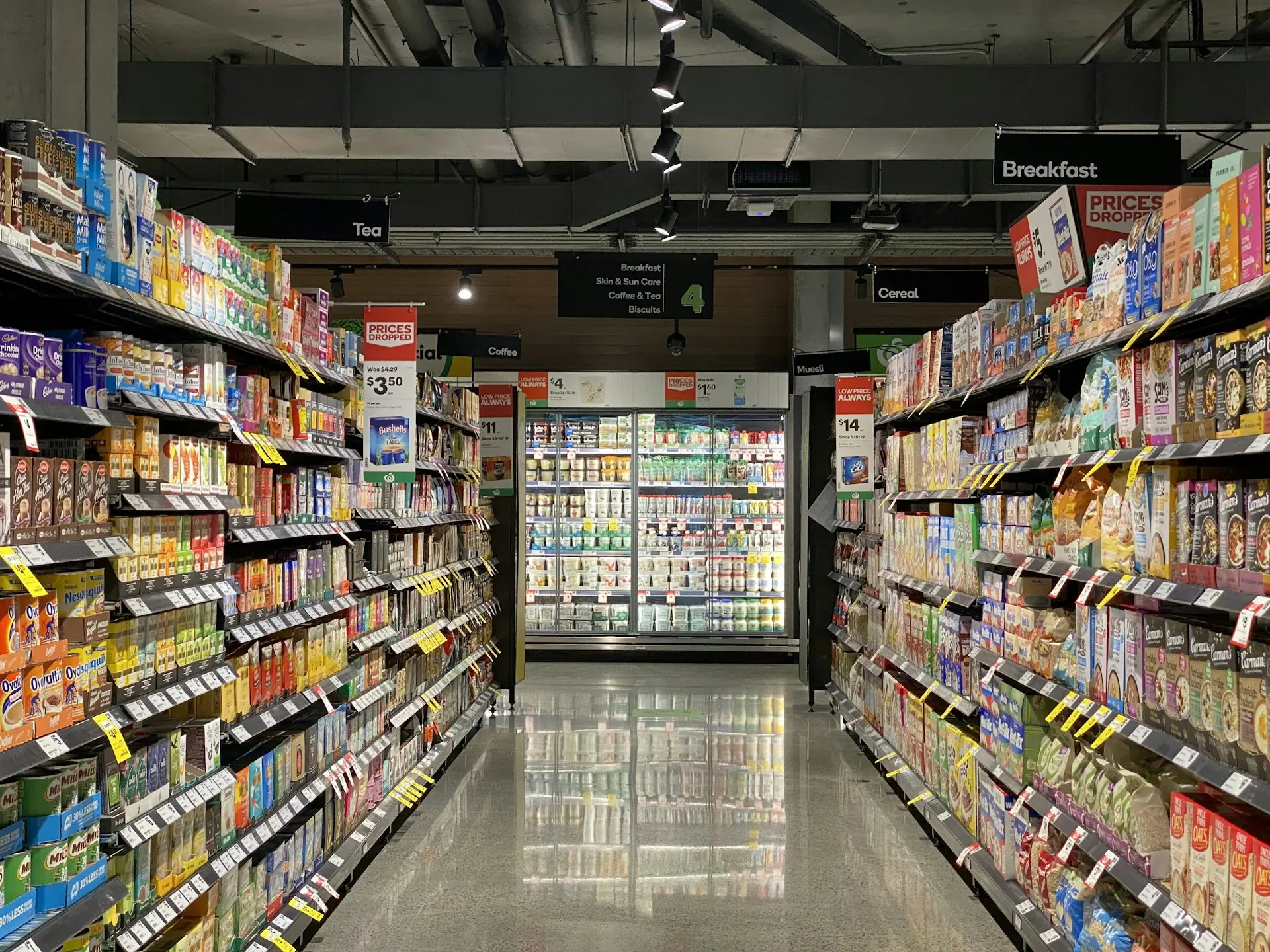
The median consumer spent much less than the top earners that contributed into the overall number. As a result, the composition of consumption changed as the households chose necessities over discretionary purchases. As a result, the demand for luxury goods, travel, and electronics dropped, while that for food, healthcare, and utilities grew.
Inflation's Lingering Bite
Although inflation has subsided, the combination of higher rent, food prices, and healthcare costs hurt the purchasing power of consumers. Specifically, the "real" average wage declined by 3% since 2021, lowering the consumers' confidence in their finances.
An important nuance is that inflation expectations are high even though the statistics say otherwise. According to the University of Michigan's Consumer Sentiment Index, consumers expect prices to rise in the future, thus affecting their current behavior. Inflation psychology is an essential part of the formation of demand: even if prices stabilize, the "inflation tax" lowers the consumer power.
The Role of Credit and Rising Delinquencies
Credit played an important role in the "new normal" of the US economy. Households used credit to fund their purchases and investments. Total consumer debt rose to a record high of $17.8 trillion, with credit-card balances exceeding $1.3 trillion. Although delinquencies remained below the historical average, credit-card debt growth was an important factor that influenced the demand for goods and services. An additional challenge was the credit crunch of 2023: as banks began to worry about the instability in the banking system, the supply of credit decreased. Consumers were forced into "necessity austerity measures," while credit-card interest rates jumped to 21%, the highest since 1994. Such problems signaled the end of the era of cheap credit.
Shifting Retail Behavior
American retailers are adjusting to the new reality, as the big box stores and online platforms witness a decline in sales, with the latter witnessing slowed expansion. Notably, brick-and-mortar retailers reported declining revenues, especially in discretionary categories. Luxury good retailers were particularly hard-hit, as consumers cut their discretionary spending. However, the consumer behavior is evolving, and sales report mixed results: while the big ticket, and nondiscretionary purchases declined, the demand for beauty and health products, and experiences like concerts and dining out, soared. In short, despite their belt-tightening measures, consumers still want to treat themselves – but in a cheaper manner.
Labor Market Cooling
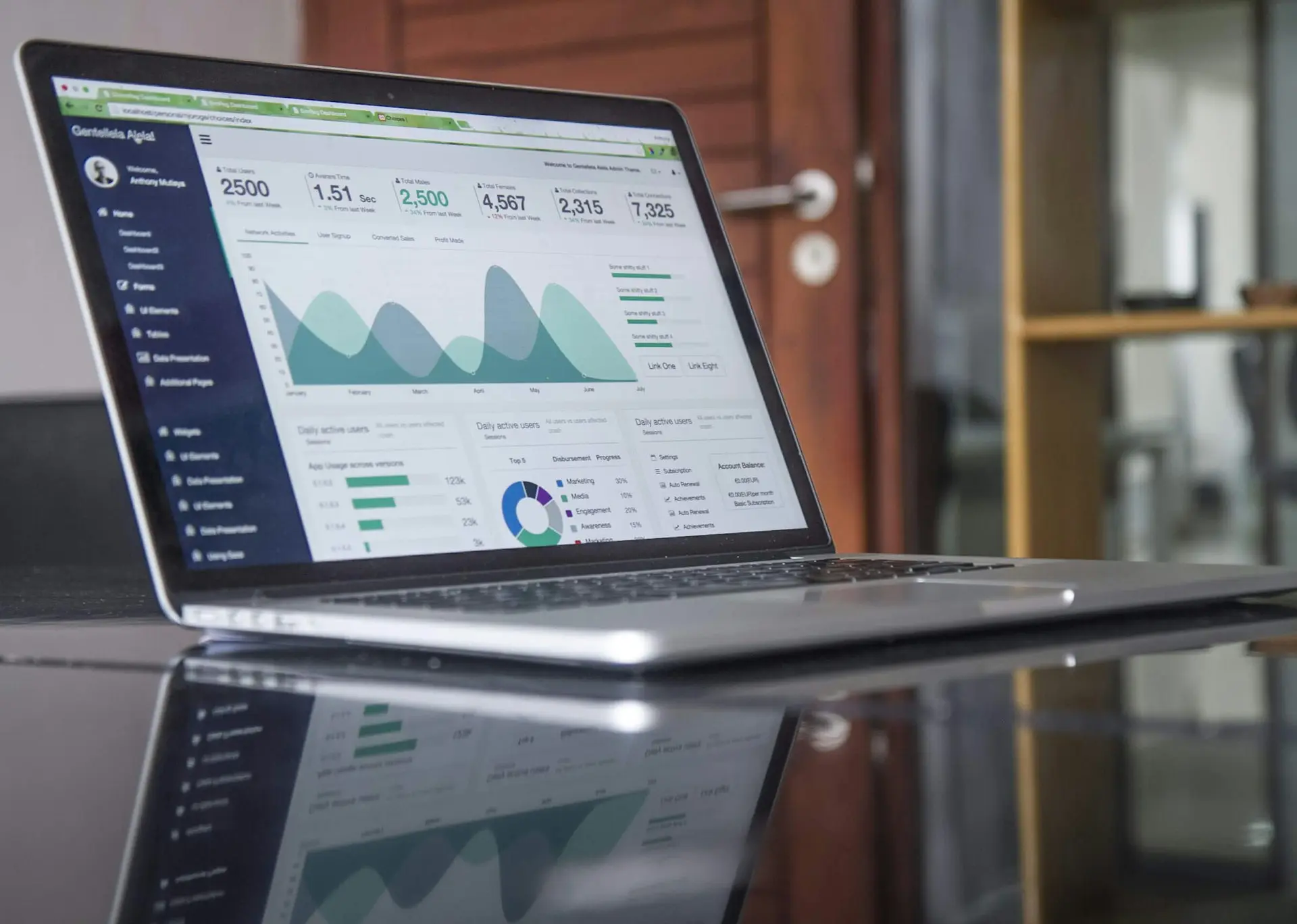
The labor market has continued to perform well, albeit with a cooling trend. The number of job openings dropped from 10 million in early 2024 to 7.8 million in mid-2025. Wages grew at a slower pace, only 3.7%, compared to 5% in 2022, offsetting inflation to a degree. For the average worker, the growth in wages has been lower than in previous years, lowering their purchasing power.
Industries that witnessed a shortage of workers in the past years are now seeing their demands subside, particularly in hospitality, transportation, and retail. Although layoffs remained modest, they accelerated in the technology and finance sectors, as employers balanced the labor market. In other words, the labor market is experiencing a natural correction that reduces the pressure on wages.
Corporate and Market Reactions
Public firms have responded to the changing consumer sentiment by focusing on retaining customers. Companies used various tactics to induce customer loyalty, such as shrinkflation, which masked the rising prices with smaller product sizes. Although such behaviors continued in 2025, consumers became more informed and pushed companies to disclose their actions. The financial markets accounted for the cooling trend in their calculations, revising the forecasts of retail sales downwards. Investors gravitated towards safer assets, like dividend-paying stocks, and away from discretionary retail. Credit markets interpreted the developments correctly, as the evidence showed that the Federal Reserve would begin to ease the interest rates in 2026, assuming that inflation remained stable. The markets reacted favorably to the prospect of a soft landing.
Conclusion
Business investment spending followed a similar trend as firms cut their capital expenditures in response to the changing environment. Government spending was lower than the peak levels of the pandemic but remained stable. The overall pattern suggests that the world's largest economy is adjusting to a multiyear slowdown, as reflected in the diminished role of consumption in GDP growth. This turn of event is an essential development as the US consumer accounts for more than two-thirds of total demand in the economy.
The coming months will be crucial as the Federal Reserve attempts to calibrate its policies. While further tightening may push the American economy into recession, a premature pause may fuel inflation, undermining the households' purchasing power.