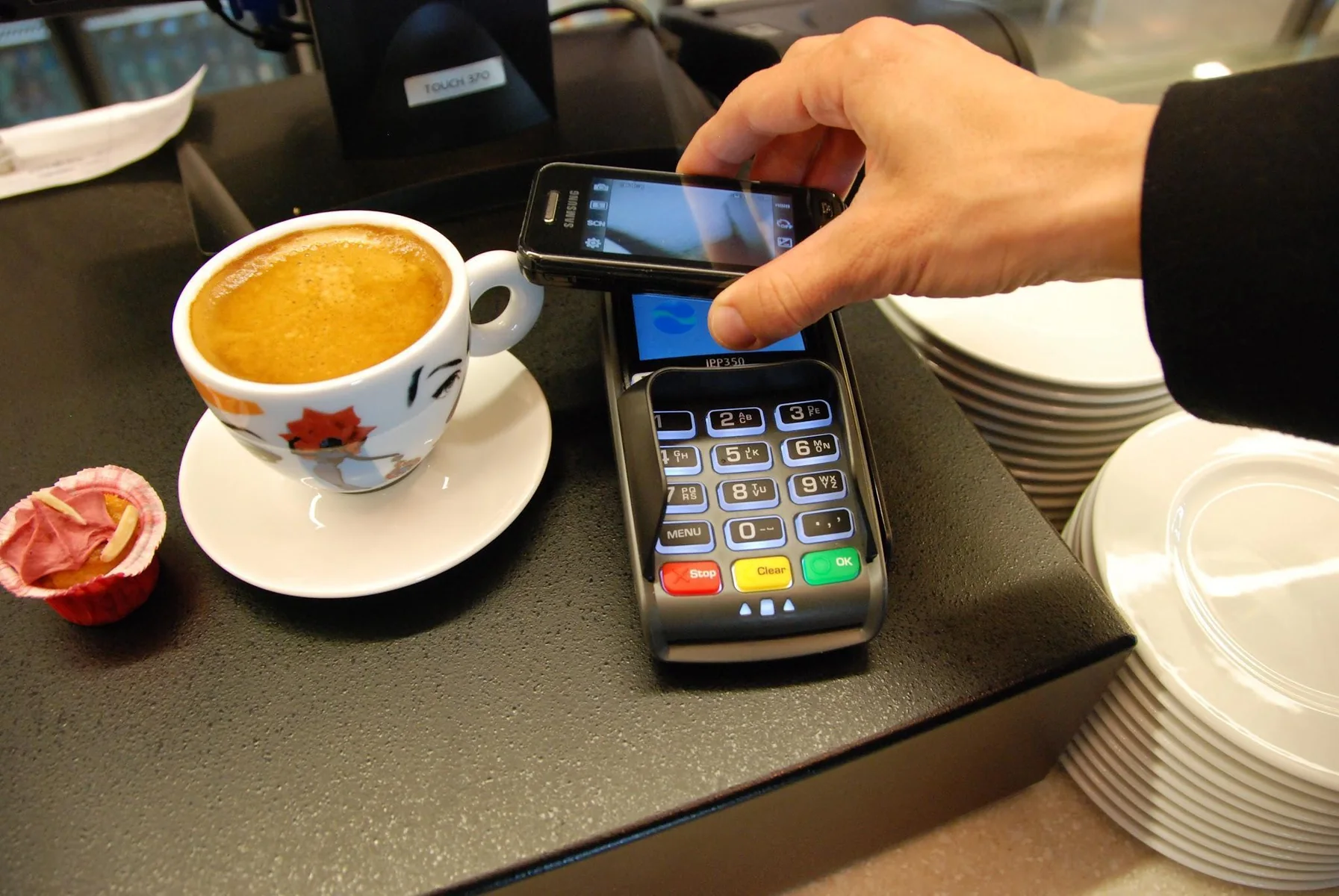
Finance & EconomicsMost money today is already digital. Paychecks arrive by direct deposit, and purchases are made by card or phone. Yet that money is created by commercial banks, not by the government.
Read article 01
Finance & EconomicsFew financial products have a worse reputation than the credit default swap. Before 2008, almost nobody outside Wall Street had heard of one.
Read article 02
Finance & EconomicsTraditional economics assumes that people make careful, rational decisions about money. Anyone who has watched a market panic, or held a losing stock for years hoping to break even, knows that is not the full picture.
Read article 03
Finance & EconomicsEvery investor would like to buy when prices are low and sell when they are high. Almost no one can do it consistently. Dollar-cost averaging is a strategy that gives up on trying.
Read article 04
Finance & EconomicsEvery public company publishes three main financial statements. The income statement shows profit over a period, and the cash flow statement tracks money moving in and out.
Read article 05
Finance & EconomicsSome of the largest investors in the world are not banks, billionaires, or hedge funds. They are governments. Sovereign wealth funds are state-owned investment funds that manage national savings, and together they control trillions of…
Read article 06
Finance & EconomicsWhen a mid-sized company needs to borrow, the traditional answer is a bank. Increasingly, the lender is an investment fund instead.
Read article 07
Finance & EconomicsIn 2020 and 2021, hundreds of companies went public without a traditional IPO. They merged with shell companies that had no business of their own, known as special purpose acquisition companies, or SPACs.
Read article 08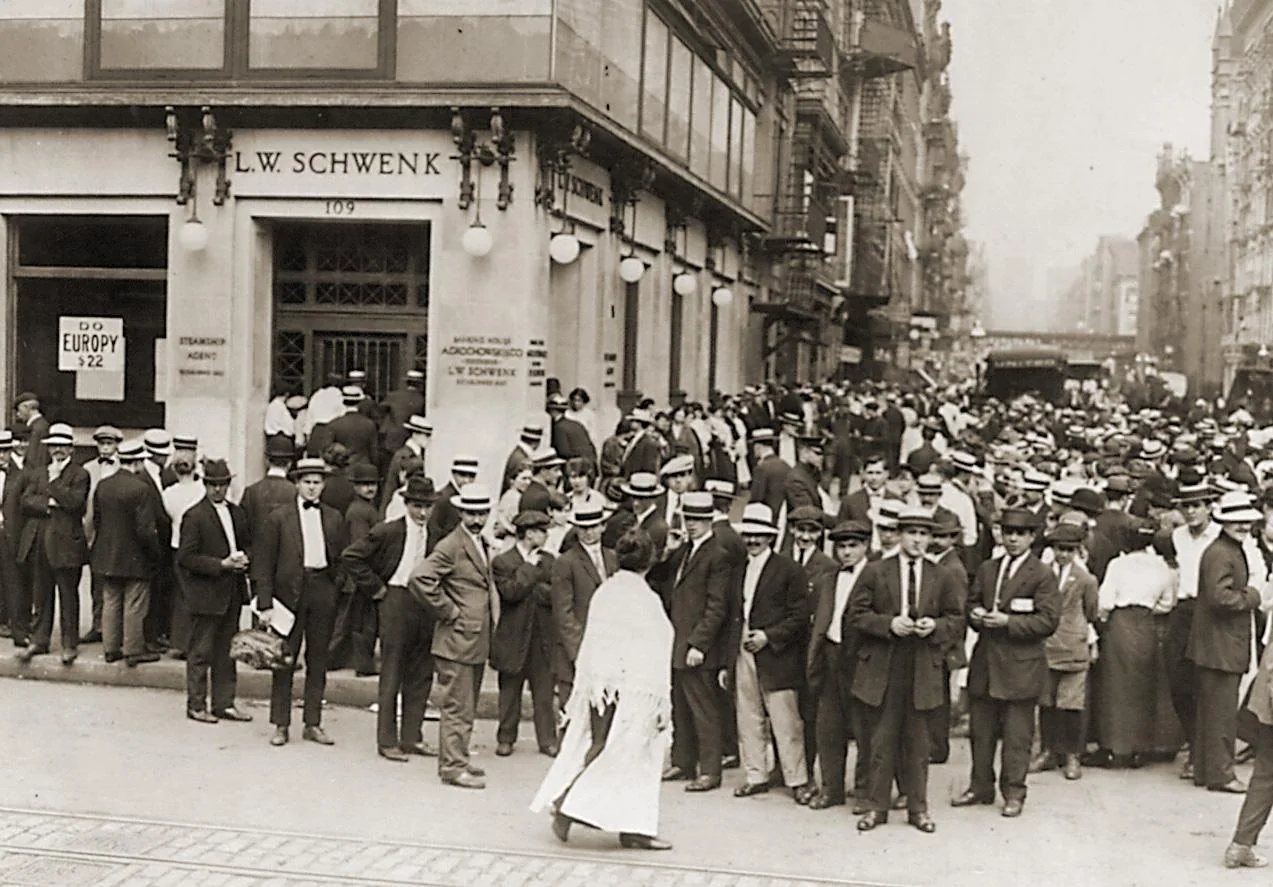
Finance & EconomicsA bank can be perfectly healthy in the morning and gone by the end of the week. The reason is the bank run, a rush by depositors to withdraw their money all at once.
Read article 09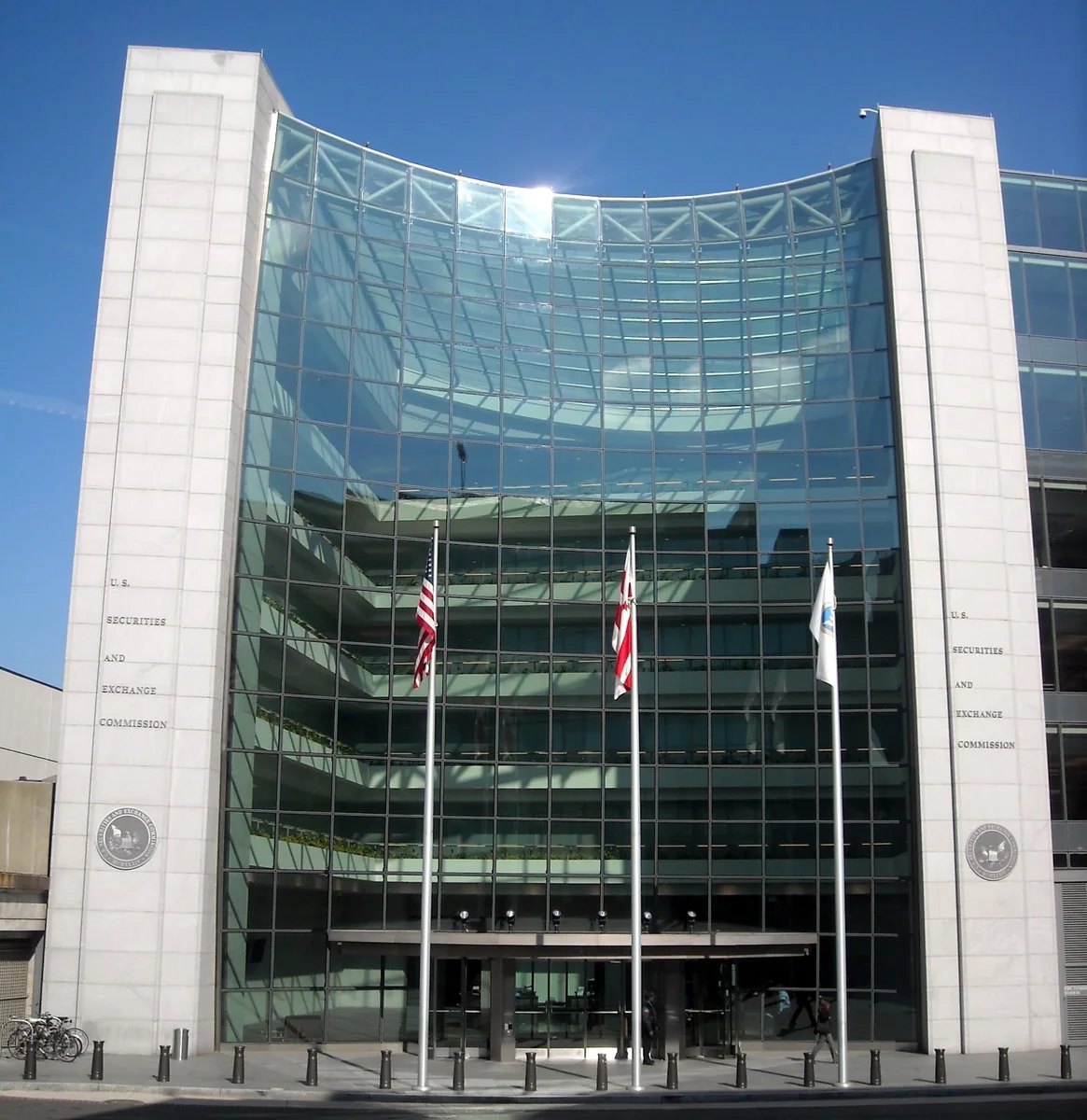
Finance & EconomicsStock markets depend on a basic promise: that everyone trades on the same public information. Insider trading breaks that promise.
Read article 10
Finance & EconomicsFew people can pay cash for a house. A mortgage is the loan that makes homeownership possible, and for most families it is the largest debt they will ever take on. Knowing how one works can save a borrower tens of thousands of dollars.
Read article 11
Finance & EconomicsSaving for retirement is partly about how much is set aside and partly about where it is kept. In the United States, special accounts offer tax advantages to people who save for old age.
Read article 12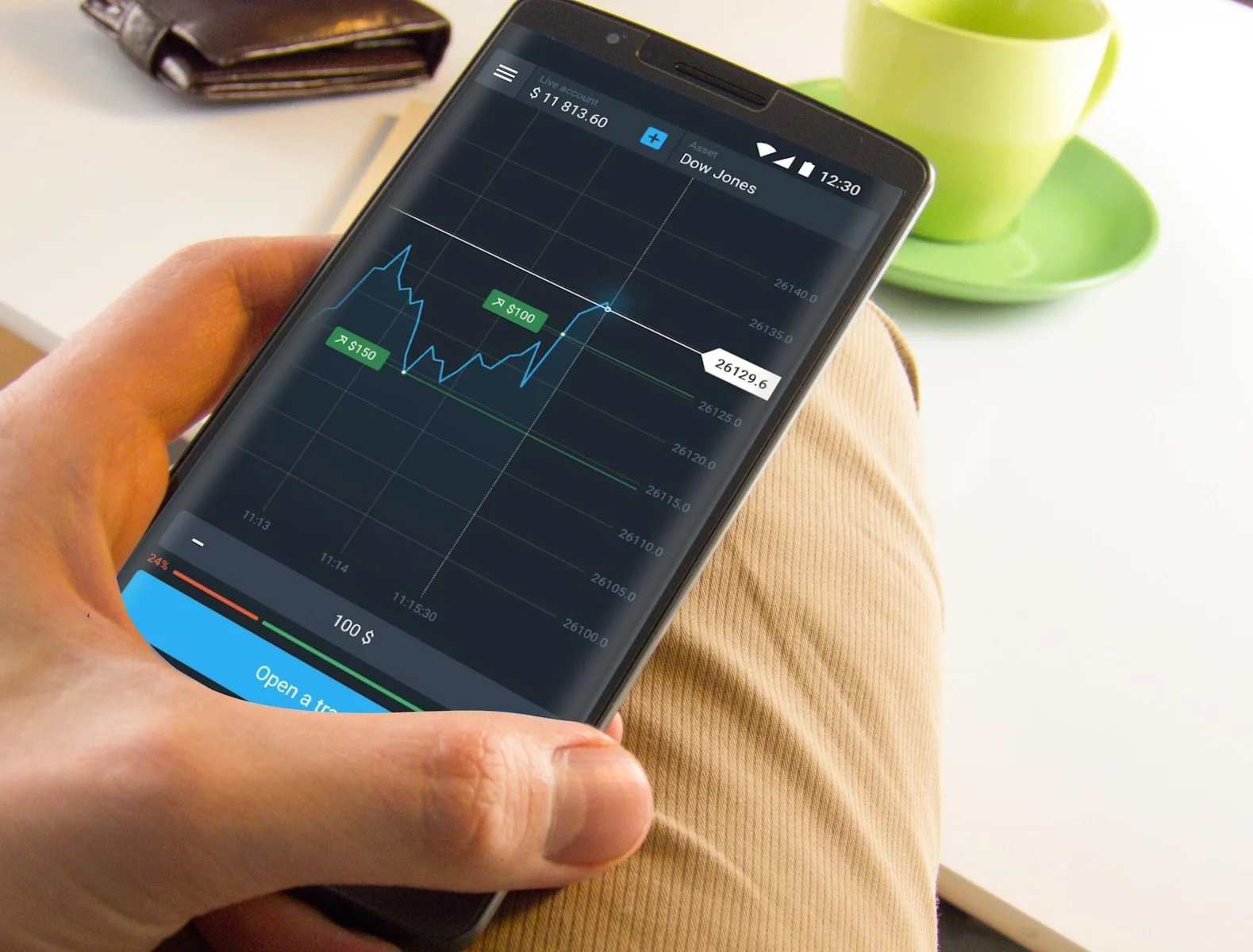
Finance & EconomicsMost investors can only lose what they put in. Margin trading changes that. It allows an investor to borrow money from a broker to buy more stock than they could afford on their own.
Read article 13
Finance & EconomicsIn September 2008, the global financial system came closer to collapse than at any time since the 1930s. Banks that had stood for more than a century disappeared in a weekend, credit stopped flowing, and millions of people lost their…
Read article 14
Finance & EconomicsCryptocurrencies such as Bitcoin are known for wild price swings, which makes them awkward to use as money. A coin that can lose a tenth of its value in a day is a poor way to pay rent.
Read article 15
Finance & EconomicsA farmer planting wheat in the spring has no idea what it will sell for in the fall. A bakery has the opposite worry: that the price of flour will jump.
Read article 16
Finance & EconomicsEconomies usually face one problem at a time. In a boom, prices rise but jobs are plentiful. In a slump, jobs disappear but prices stay calm.
Read article 17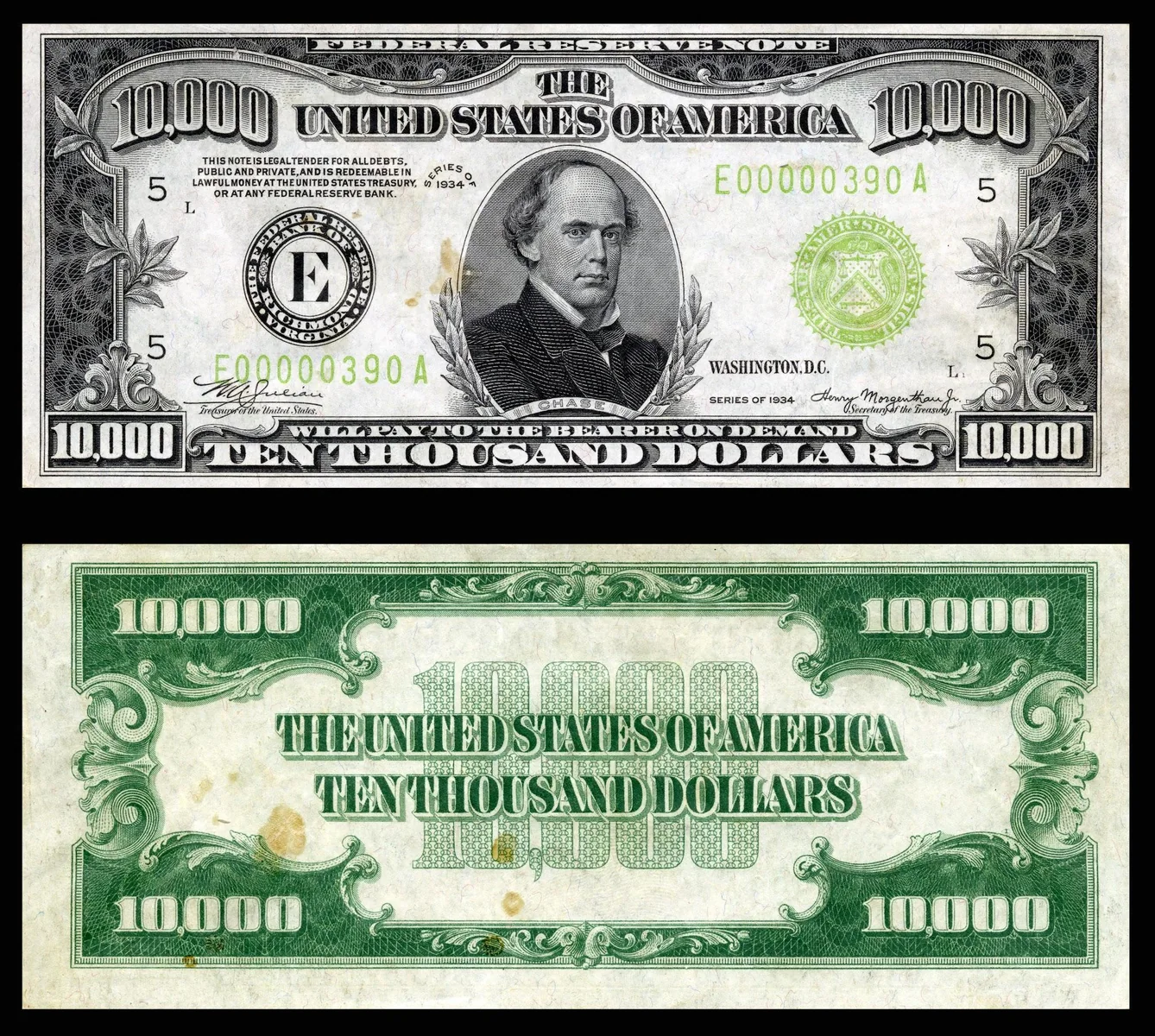
Finance & EconomicsCentral banks normally steer the economy by raising or lowering short-term interest rates. But what happens when rates are already near zero and the economy still needs help?
Read article 18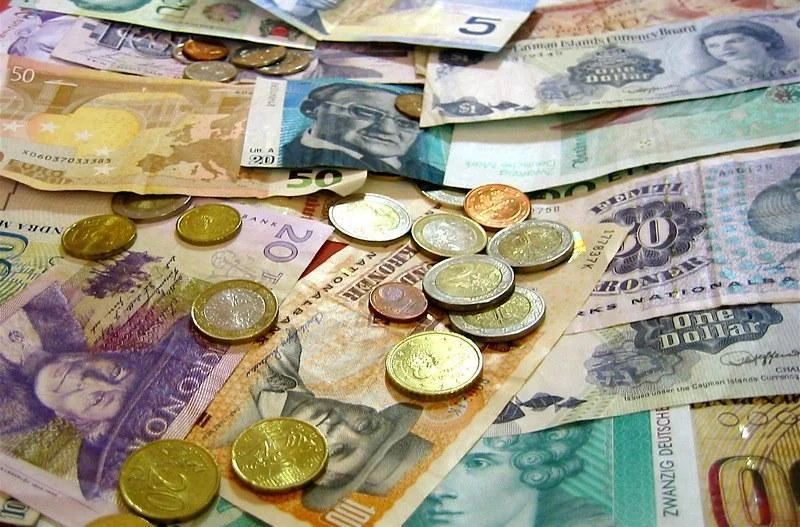
Finance & EconomicsAnyone who has traveled abroad has dealt with exchange rates, usually at an airport counter. For the global economy, they matter far more than vacation budgets.
Read article 19
Finance & EconomicsWhen economists say an economy grew by 2% or shrank by 1%, they are almost always referring to gross domestic product. GDP is the broadest measure of a country’s economic activity and the main yardstick used to compare economies, track…
Read article 20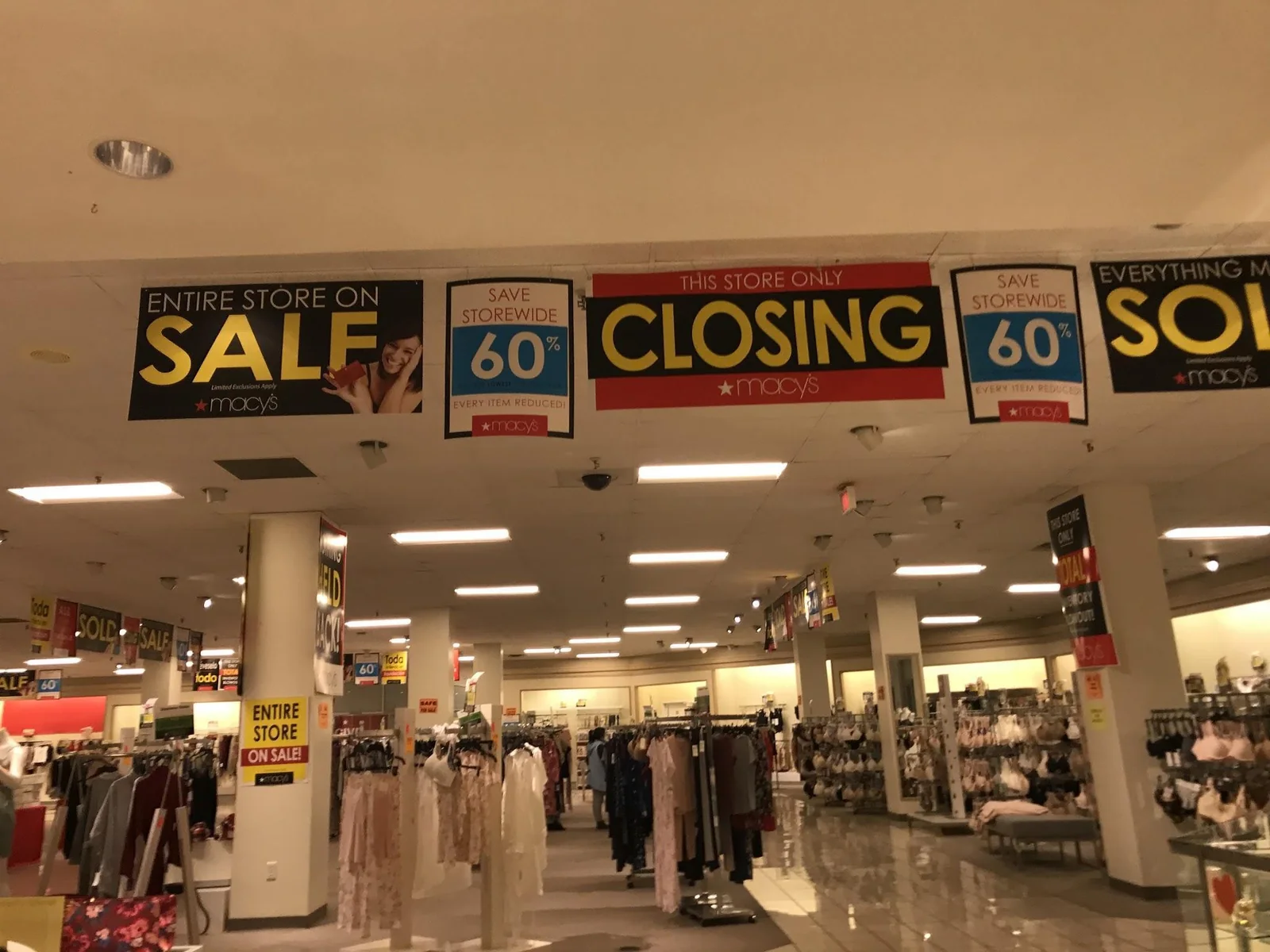
Finance & EconomicsEconomies do not grow in a straight line. Periods of expansion are interrupted by downturns in which businesses cut back, jobs disappear, and incomes fall.
Read article 21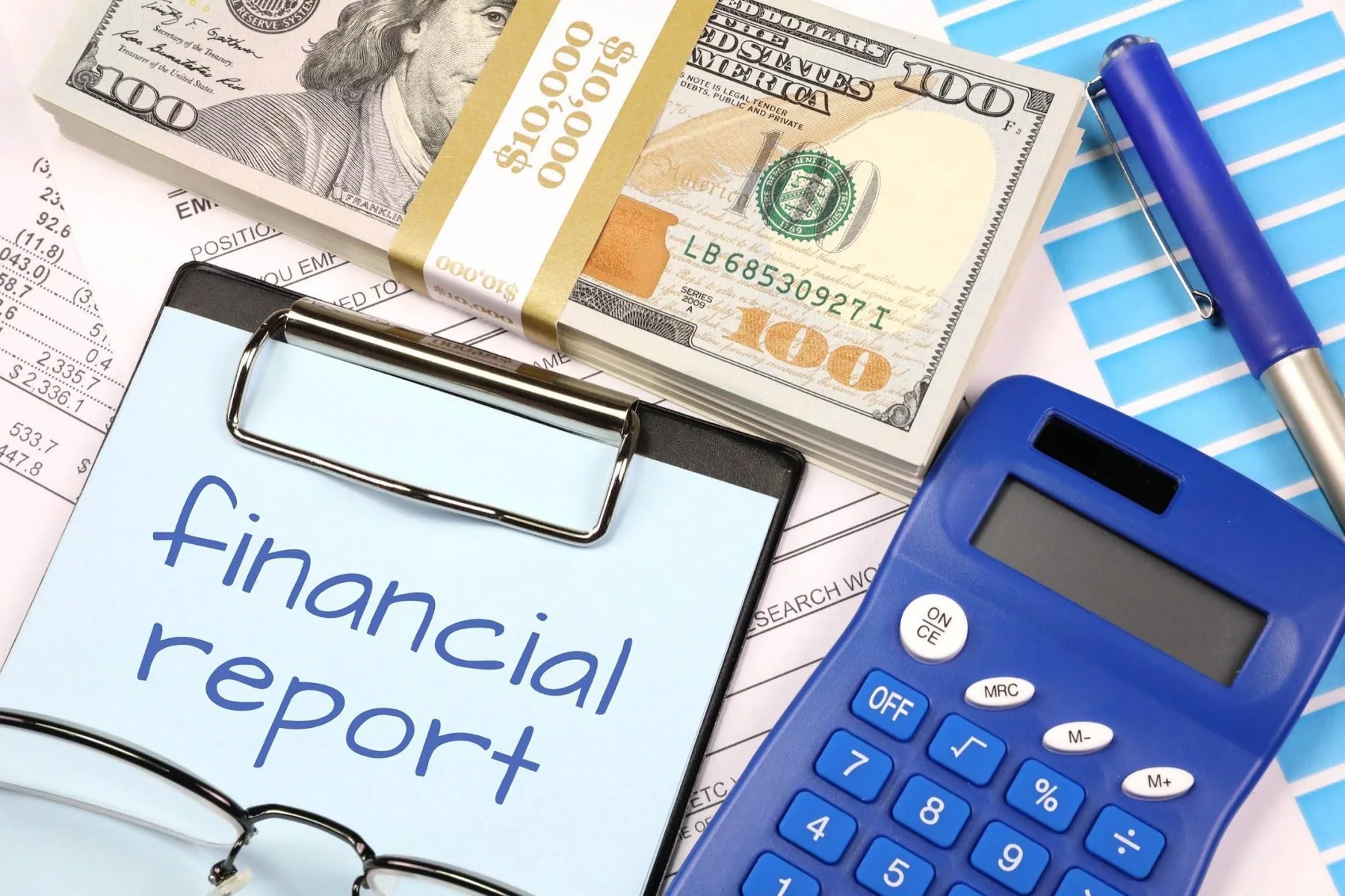
Finance & EconomicsIs a stock cheap or expensive? The share price alone cannot answer that, because it says nothing about what the company earns.
Read article 22
Finance & EconomicsWhen news reports describe a company as worth a trillion dollars, they are almost always talking about its market capitalization.
Read article 2324Finance & EconomicsFinancial news is full of animals. A rising market is called a bull market, and a falling one is a bear market. The terms are centuries old, and one popular explanation is that a bull attacks by thrusting its horns upward while a bear…
Read article 2425Finance & EconomicsThe oldest advice in investing is not to put all your eggs in one basket. In finance, that idea has a name, diversification, and it is one of the few strategies nearly every expert agrees on.
Read article 2526Finance & EconomicsFor decades, the mutual fund has been the main way ordinary people invest in stocks and bonds. Tens of millions of households hold them, mostly through retirement accounts.
Read article 2627Finance & EconomicsMany of the world’s most valuable companies started with an idea, a few founders, and almost no revenue. Banks rarely lend to businesses like that.
Read article 2728Finance & EconomicsMost people think of investing as buying shares on a stock exchange. Private equity works the other way around. Private equity firms buy entire companies, often taking them off the stock market, with the aim of improving them and…
Read article 28
Finance & EconomicsHedge funds are among the most secretive and most discussed players in finance. They manage trillions of dollars, employ some of the highest-paid people in the world, and are blamed or credited for many dramatic market moves.
Read article 29
Finance & EconomicsOwning a share of stock means owning a small piece of a company. A dividend is how that company shares its profits with the people who own it.
Read article 30
Finance & EconomicsWhen a company earns more cash than it needs to run its business, it has to decide what to do with it. It can invest in new projects, pay down debt, hand money to shareholders as dividends, or buy back its own stock.
Read article 31
Finance & EconomicsWhen a government or a company needs to borrow a large amount of money, it often does not go to a bank. It sells bonds. A bond is a loan made by an investor to a borrower, and the global bond market is larger than the stock market.
Read article 32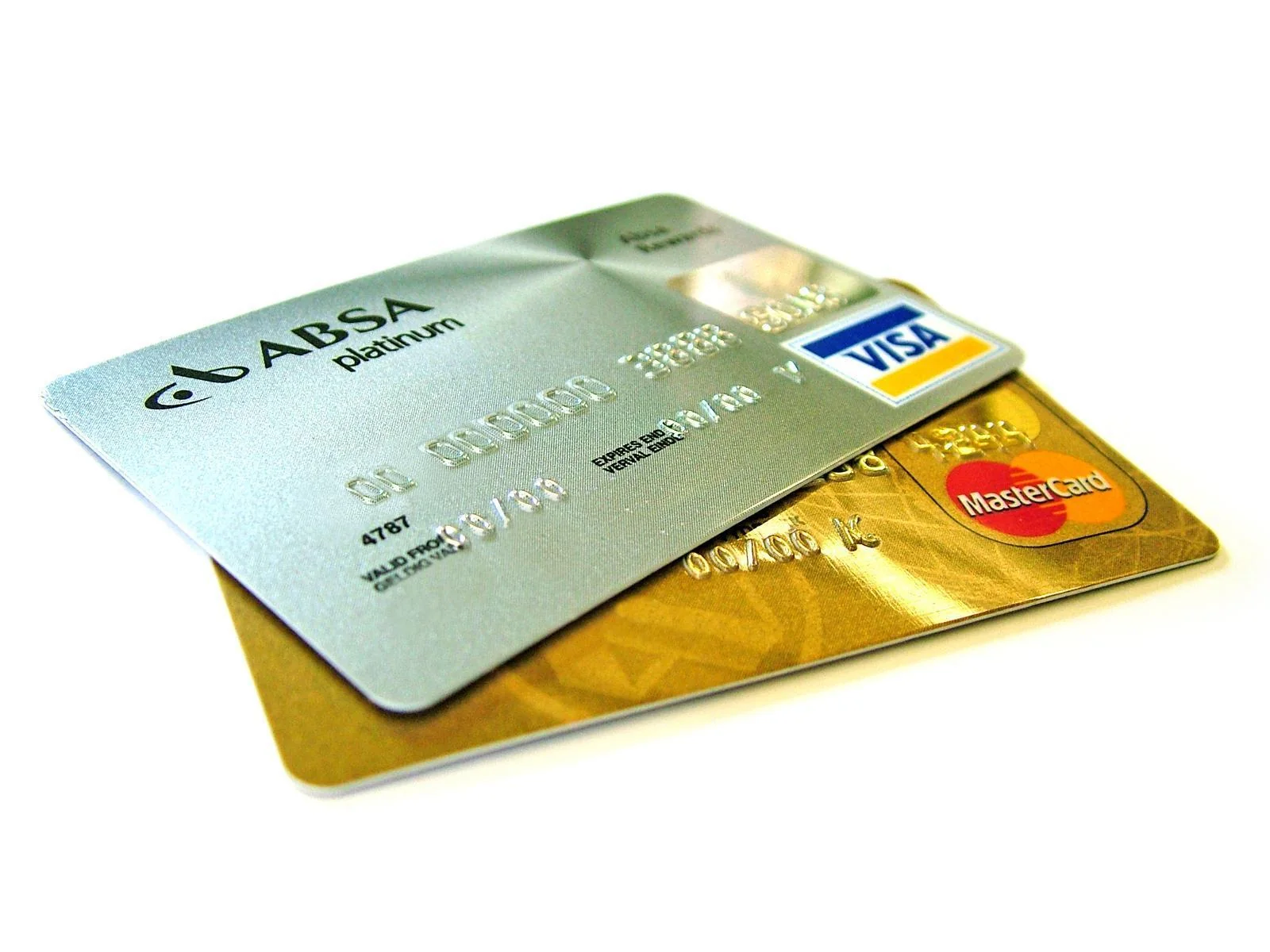
Finance & EconomicsA credit score is a three-digit number that tells lenders how likely a person is to repay borrowed money. It influences whether someone is approved for a credit card, a car loan, or a mortgage, and what interest rate they will pay.
Read article 33
Finance & EconomicsInflation is the gradual rise in the prices of goods and services over time. When inflation is running at 3%, something that cost $100 last year costs about $103 today, and each dollar buys a little less than it used to.
Read article 34
Finance & EconomicsFor most of the twentieth century, investing meant picking stocks or paying a professional to pick them for you. Index funds and exchange-traded funds, known as ETFs, changed that.
Read article 35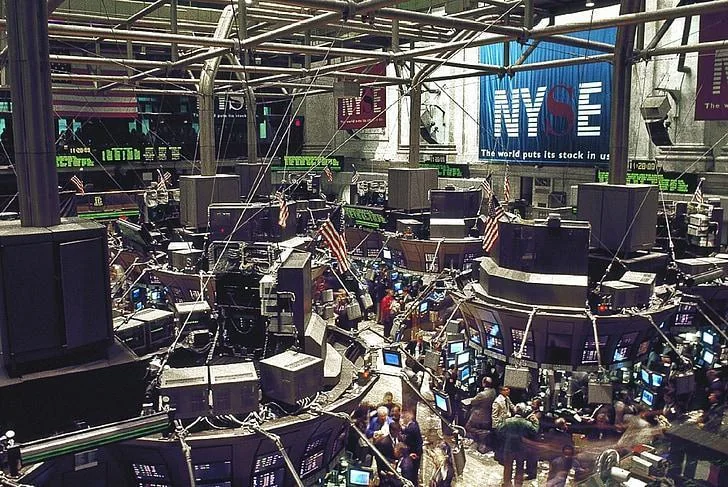
Finance & EconomicsEvery publicly traded company, from Apple to the newest technology startup on the exchange, began as a private business owned by a small group of founders and investors.
Read article 36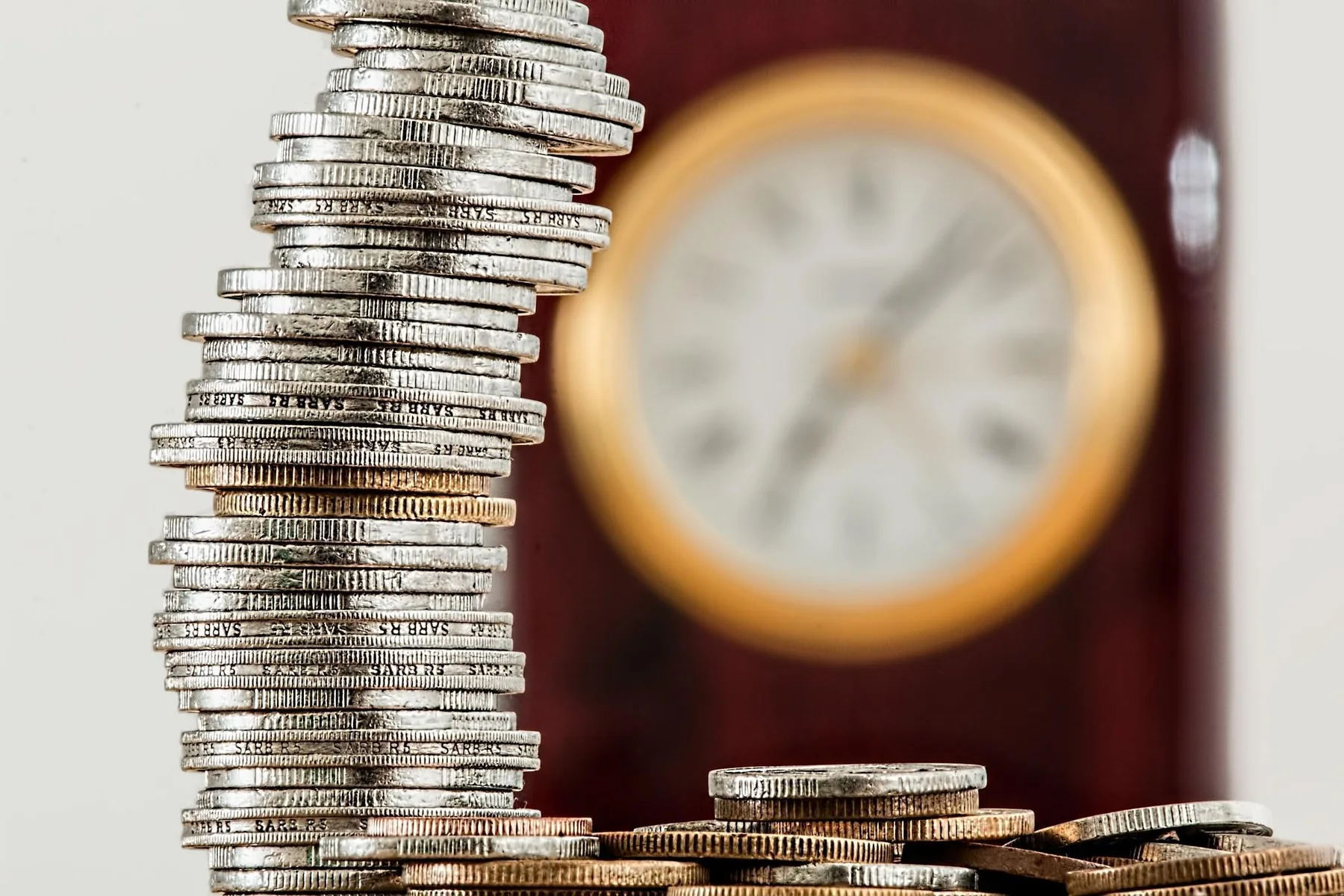
Finance & EconomicsCompound interest is the reason a small amount of money saved early can outgrow a much larger amount saved later. It is also the reason an unpaid credit card balance can spiral out of control.
Read article 37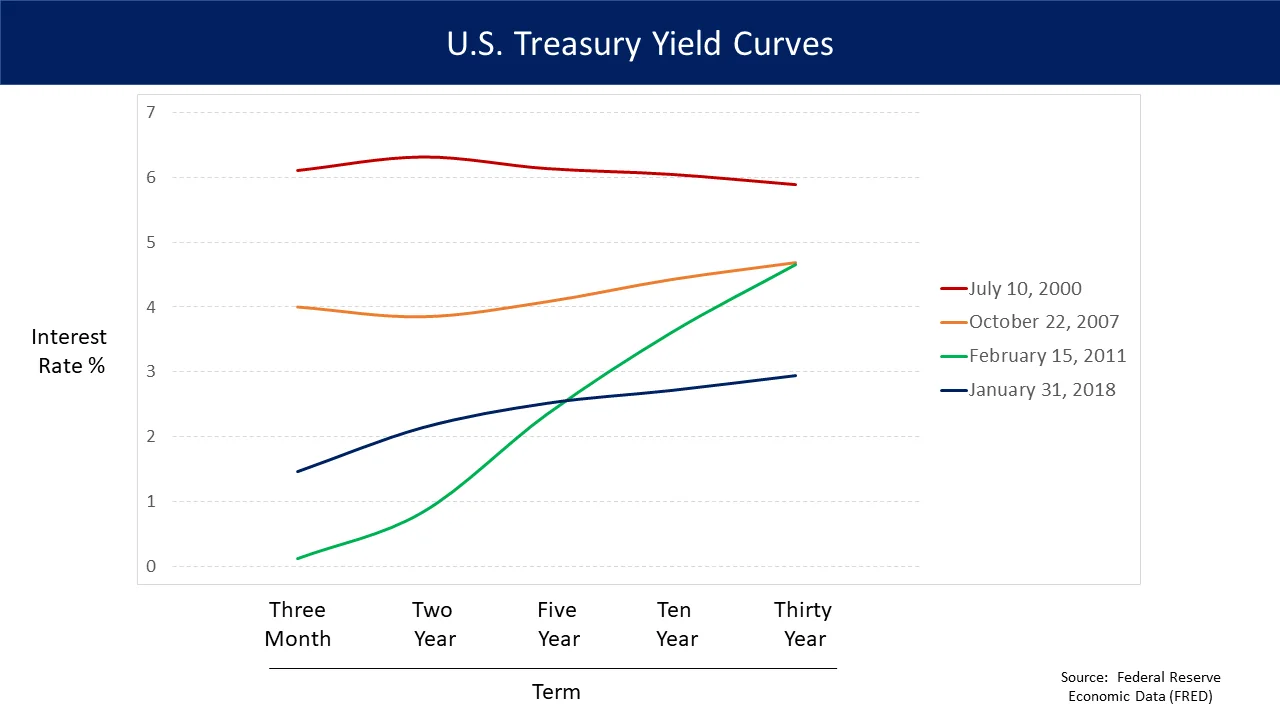
Finance & EconomicsFew charts in finance get as much attention as the yield curve. Economists watch it for signs of recession, banks depend on it for profits, and central bankers study it to see whether markets believe their plans.
Read article 38
Finance & EconomicsJapan’s stock market has spent 2026 rewriting its own record book. The Nikkei 225, the country’s benchmark index, first touched 70,000 during trading on June 16 and closed above that level two days later, finishing at 71,053.49 on June 18.
Read article 39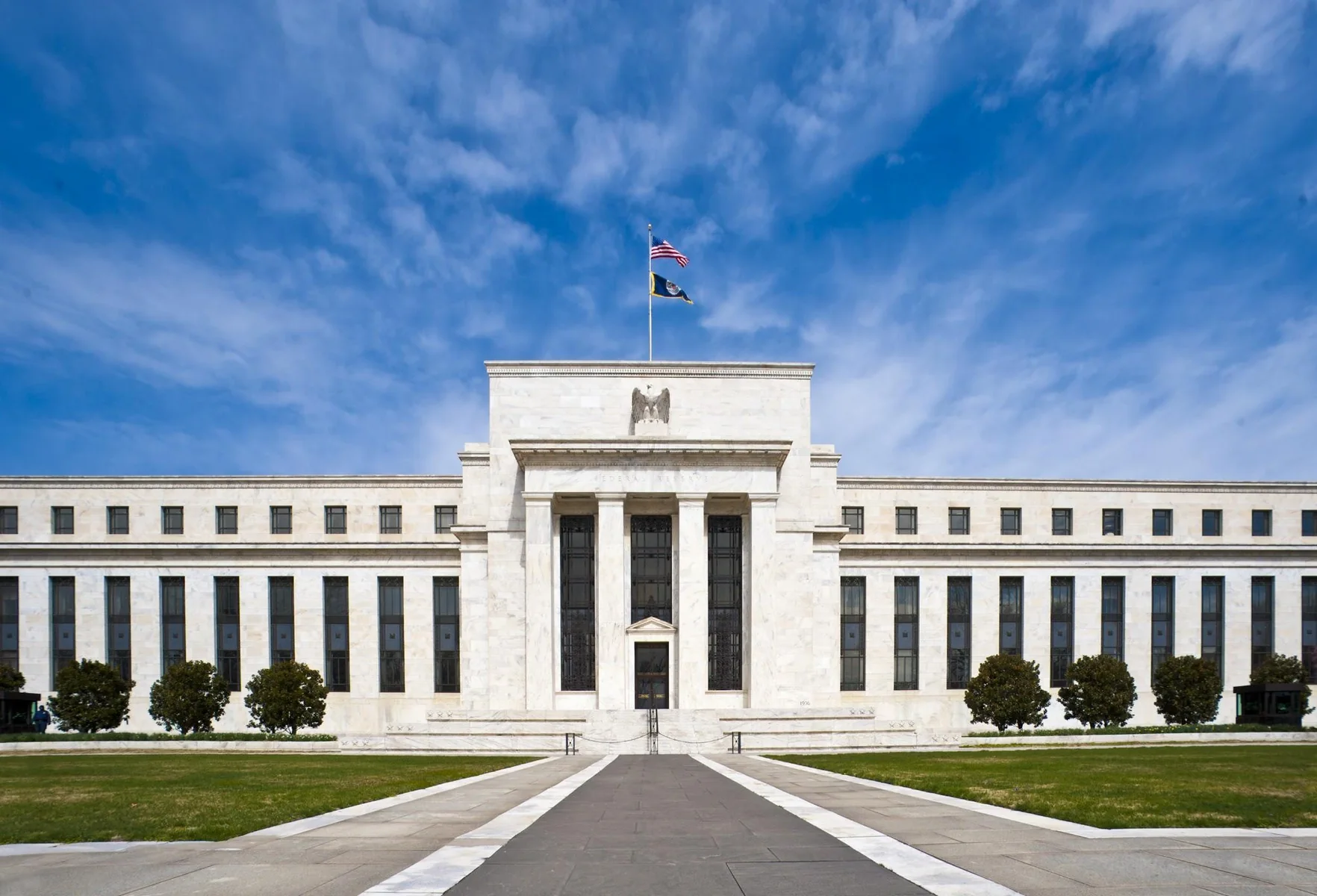
Finance & EconomicsOn September 16, 2026, the Federal Reserve did something it had not done in more than three years: it raised interest rates.
Read article 40