01Science & HealthSummary: NIH researchers identified rare antibodies with potential relevance to alpha-gal syndrome, an allergy associated with tick bites that can trigger reactions to certain animal products.
Read article 0102Science & HealthGeneric versions of the blockbuster diabetes and weight-loss drug launched in India within a day of patent expiry, at a fraction of the brand-name price. Americans will have to wait years for the same.
Read article 0203Science & HealthSummary: NIH reported that a GLP-1 drug extended lifespan and reduced age-related decline in older female mice, but the findings do not establish an anti-aging benefit in humans.
Read article 0304Science & HealthSummary: NIH reported research suggesting depression may interfere with the development of new neurons in a brain region important for memory, offering a possible clue rather than a complete explanation.
Read article 0405Science & HealthA 6.6% average pay rise, 4,500 new training places and a change at the top of the health department ended a doctors' dispute that had disrupted the NHS since 2023.
Read article 0506Science & HealthSummary: NIH reviewed research into biological factors that may contribute to multiple sclerosis, a disease in which the immune system damages protective coverings around nerve fibers.
Read article 0607Science & HealthSummary: NIH highlighted research suggesting an association between endometriosis and later type 2 diabetes risk, adding to evidence that reproductive health and metabolic health may intersect.
Read article 0708Science & HealthSummary: NIH summarized an early-stage clinical trial in which microbiome transplants were used to treat some peanut allergies, an experimental approach that needs much more study before routine use.
Read article 0809Science & HealthSummary: NIH highlighted early research in which engineered transfer RNA delivered by lipid nanoparticles restored functional proteins in cell and animal models of cystic fibrosis.
Read article 0910Science & HealthSummary: NIH reported that a clinical trial found a common antiviral drug did not improve Long COVID symptoms when given for up to 25 days, underscoring the difficulty of finding effective treatments.
Read article 1011Science & HealthMore than 30 nations have signed five-year health agreements with Washington that require them to pay a growing share of the bill. Supporters call it accountability; critics call it a retreat.
Read article 1112Science & HealthSummary: Federal health authorities are advancing early clinical trials of ibogaine to study potential uses for opioid addiction and PTSD, while safety concerns remain central to the research.
Read article 1213Science & HealthCountries are still deadlocked over how to share virus samples and the vaccines made from them, and the United States, now outside the WHO, is not at the table.
Read article 1314Science & HealthSummary: Reporting from the western United States described influenza activity rising earlier than usual in some areas, prompting renewed attention to vaccination and seasonal prevention.
Read article 1415Science & HealthSummary: New York declared a statewide disaster emergency after reporting 108 measles cases through October 3, expanding certain testing and vaccination measures in affected communities.
Read article 1516Science & HealthSummary: Reuters reported that the CDC had recorded 4,080 confirmed measles cases in the United States as of October 8, underscoring the continuing risk of a highly contagious disease.
Read article 1617Science & HealthMore than 8,000 confirmed cases and nearly 4,000 confirmed deaths have been reported since May. The Bundibugyo virus has left responders without the vaccines and treatments that helped end recent outbreaks.
Read article 1718Science & HealthSummary: Reuters reported that pharmaceutical researchers are increasingly using AI simulations of virtual patients to estimate how experimental medicines might perform before or during traditional clinical trials.
Read article 1819Science & HealthSummary: An NIH-funded project produced detailed molecular maps of Alzheimer’s and related brain disorders, offering researchers a resource for studying differences among brain cells and disease processes.
Read article 1920Science & HealthSummary: The NIH announced major investments in organoids, robotics, artificial intelligence, and other human-based research methods intended to improve biomedical research and reduce reliance on animal models where appropriate.
Read article 2021Science & HealthTalks over 15 high-cost medicines, including Botox, Trulicity and the HIV drug Biktarvy, must wrap up by November 1. Prices will take effect in 2028.
Read article 2122Science & HealthSummary: The FDA approved the first gene therapy for pediatric patients with Sanfilippo syndrome type A, a rare inherited disorder, while long-term monitoring remains important.
Read article 2223Science & HealthSummary: The FDA approved the first treatment for MCT8 deficiency, a rare genetic condition that disrupts thyroid-hormone transport and can affect development and health.
Read article 2324Science & HealthSummary: The FDA approved a heart valve designed to accommodate growth in children, addressing a long-standing challenge for some young patients who need valve replacement.
Read article 2425Science & HealthSummary: The FDA granted accelerated approval to a new breast cancer treatment, creating another option for some patients while leaving important questions about long-term benefit and eligibility.
Read article 2526Science & HealthA 100% default tariff on imported patented medicines now applies to all drugmakers, but pricing deals, factory pledges and exemptions mean many companies will pay far less.
Read article 2627Science & HealthSummary: The FDA approved zilganersen (Zanvastro), the first treatment for Alexander disease. The medicine targets a biological process linked to the rare, progressive neurological condition, offering a new option for children and adults.
Read article 2728Science & HealthSummary: Reuters reported that Genmab and AbbVie announced positive late-stage trial results for a combination therapy for newly diagnosed lymphoma patients.
Read article 2829Science & HealthFederal regulators finalized an overhaul of the rules requiring health plans to publish what they pay doctors and hospitals. The changes take effect in December.
Read article 2930Science & HealthSummary: Reuters reported that the FDA expanded remibrutinib's approved use for adults with symptomatic dermographism, a chronic condition in which friction or scratching can trigger itchy welts.
Read article 3031Science & HealthSummary: The FDA announced steps intended to maintain newborn access to specialized starter nutrition products. The issue highlights how reliable supplies, safety oversight, and professional feeding guidance are essential for infants…
Read article 3132Science & HealthSummary: The FDA announced approval of a heart valve designed to grow with children. The technology may address the challenge that some implanted valves can become too small as a child grows, though individual suitability depends on…
Read article 3233Science & HealthSummary: The FDA announced approval of the first gene therapy for pediatric patients with Sanfilippo syndrome type A, a rare inherited disorder.
Read article 3334Science & HealthSummary: The FDA announced approval of the first treatment for MCT8 deficiency, a rare genetic condition affecting thyroid-hormone transport.
Read article 3435Science & HealthA new mandatory pilot will compare what Medicare pays for certain doctor-administered drugs with prices in other wealthy countries. CMS now projects savings roughly 96% smaller than its original estimate.
Read article 3536Science & HealthSummary: Associated Press reported more than 1,000 measles cases in Pennsylvania, including hospitalizations and deaths. The outbreak is part of a wider national increase and highlights the importance of vaccination coverage.
Read article 3637Science & HealthSummary: Reuters reported that New York declared a statewide disaster emergency after 108 measles cases were reported in 2026 as of October 3. The state expanded some testing and vaccination measures in affected communities.
Read article 3738Science & HealthWith nearly 3,900 confirmed cases, 2026 is the worst U.S. measles year in more than three decades. An international panel will decide in November whether the country is still "measles-free."
Read article 3839Science & HealthSummary: Reporting described rising influenza activity earlier than usual in parts of the western United States. An early start does not guarantee a severe season, but vaccination and continued surveillance remain important.
Read article 3940Science & HealthSummary: CDC reported that about one in 38 hospitalized patients had at least one healthcare-associated infection on a given day in 2023, compared with about one in 31 in 2015.
Read article 4041Science & HealthA new federal schedule, a court order blocking it, an executive order reviving it and a rival schedule from pediatricians have left parents and doctors navigating competing guidance.
Read article 4142Science & HealthDemocratic Republic of the Congo. Response measures include early detection, safe care, clear communication, and coordination with affected communities.
Read article 4243Science & HealthSummary: WHO and partners announced an initiative to improve access to mpox vaccines. Vaccine availability needs to be paired with delivery systems, public information, testing, and surveillance.
Read article 4344Science & HealthSummary: WHO validated Timor-Leste for eliminating trachoma as a public-health problem. The infectious eye disease can cause preventable vision loss, and control efforts include treatment, hygiene, and improvements in water and sanitation.
Read article 4445Science & HealthSummary: WHO validated Bhutan for eliminating dog-transmitted human rabies as a public-health problem. Prevention depends on dog vaccination, animal surveillance, community awareness, and prompt medical care after possible exposure.
Read article 4546Science & HealthSince October 1, most lawfully present immigrants without green cards can no longer get federally funded Medicaid. Medicare and marketplace changes follow within months.
Read article 4647Science & HealthSummary: WHO recognized Chile as the first country in South America validated for eliminating dog-transmitted rabies as a public-health problem.
Read article 4748Science & HealthSummary: WHO published an update on global trends in cholera, meningitis, and plague. The diseases have different causes and transmission patterns, but each requires surveillance, timely diagnosis, and access to appropriate prevention…
Read article 4849Science & HealthSummary: WHO announced recommendations for the composition of influenza vaccines for the 2027 southern hemisphere season. Global surveillance helps scientists identify circulating viruses and guide vaccine development.
Read article 4950Science & HealthSummary: WHO reported that world leaders renewed a commitment to protect the world from future pandemics. Preparedness relies on disease surveillance, strong health systems, international cooperation, and fair access to medical tools.
Read article 5051Science & HealthMost states must start enforcing work rules for Medicaid expansion adults on January 1, 2027. Nebraska went first, and its early data are drawing close attention.
Read article 5152Science & HealthSummary: WHO released guidance to help event organizers and public-health authorities prevent heat-related illness at large gatherings. Planning can include weather monitoring, shade, drinking water, trained staff, and emergency procedures.
Read article 5253Science & HealthSummary: NIH announced a $21 million initiative to develop computational methods for studying hormone regulation and how biological differences may influence medication response, dosing, and toxicity.
Read article 5354Science & HealthThe administration says broker-driven "unauthorized enrollments" were draining billions in subsidies. Critics warn that people who wanted their coverage are being swept up too.
Read article 5455Science & HealthSummary: NIH highlighted a major study creating high-resolution molecular maps of Alzheimer's and related brain disorders. The work may help researchers understand cellular mechanisms and guide future studies of diagnosis and treatment.
Read article 5556Science & HealthSummary: NIH announced investments in human-based research tools, including organoid models, robotics, artificial intelligence, and data infrastructure.
Read article 5657Science & HealthSummary: CDC reported that cancer death rates for men and women fell from 2019 to 2023. The report highlighted progress against lung cancer, although lung cancer remains the leading cause of cancer death in the United States.
Read article 5758Science & HealthSummary: CDC's investigation update reported 76 cases across 16 states and six hospitalizations among 68 people with hospitalization information.
Read article 5859Science & HealthAs the ACA shopping season opens November 1, enrollees face a second straight year of double-digit premium requests, a higher out-of-pocket cap and new limits on who can get federal help.
Read article 5960Science & HealthSummary: CDC launched a central online resource for fatal and nonfatal overdose data and prevention strategies. Provisional estimates predicted 67,798 overdose deaths in the 12 months ending March 2026, 12.3% below the comparable…
Read article 6061Science & HealthSummary: CDC data showed improvements from 2023 to 2025 in several youth mental-health measures. Persistent sadness or hopelessness fell from 40% to 33%, while the share reporting poor mental health declined from 29% to 23%.
Read article 6162Science & HealthGavi raised less than it needed for 2026-2030 after the United States ended its funding. It has cut staff and scaled back its malaria vaccine goals, and its leader warns tens of thousands of children could die.
Read article 6263Science & HealthSummary: WHO issued guidance to expand safe and effective contraceptive options. The organization estimated that 164 million women who want to delay or avoid pregnancy were not using contraception.
Read article 6364Science & HealthSummary: WHO urged countries to shift from relying mainly on institutional mental-health care toward community-based services, with care closer to where people live and stronger respect for their rights and preferences.
Read article 6465Science & HealthFour provinces and territories have free diabetes drugs and contraception under federal deals. Most of the country does not, and Ottawa has signaled it will not sign new agreements.
Read article 6566Science & HealthSummary: WHO and partners launched a roadmap for hypertensive disorders of pregnancy, including pre-eclampsia. WHO estimates these disorders complicate 10–15% of pregnancies and account for around 16% of maternal deaths globally.
Read article 6667Science & HealthSummary: WHO said 170 million people ages 5–19 were living with obesity in 2024, and prevalence in this age group had risen from 2% in 1990 to 8% in 2024. Its new guidelines call for timely, evidence-based, people-centred care.
Read article 6768Science & HealthCases have fallen sharply from their peak, and Africa's top health agency ended its emergency declaration. Yet Madagascar now has the world's largest outbreak, and a more severe strain is spreading locally in Europe.
Read article 6869Science & HealthLenacapavir, a long-acting injection that was nearly 100% effective in trials, is rolling out in more than a dozen countries with U.S. and Global Fund support, even as overall HIV funding shrinks.
Read article 69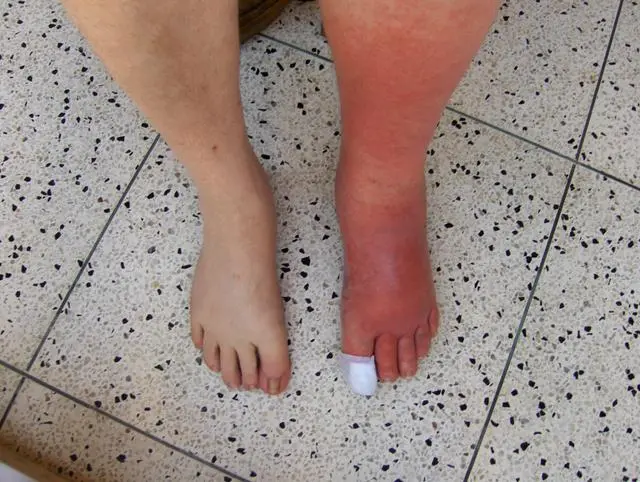
Science & HealthRecurrent cellulitis is a recurrent bacterial skin infection that is informed by biological vulnerability and social inequity. The paper discusses physiological, clinical, and social factors that contribute to its recurrence and prevention.
Read article 7071Science & HealthA high-level meeting on September 25 was meant to renew political commitment to pandemic preparedness. Objections from the United States and others left its final statement unadopted.
Read article 7172Science & HealthStates are cutting provider payments, dropping coverage of weight-loss drugs and scaling back immigrant coverage as slowing revenue collides with the largest federal Medicaid reductions in the program's history.
Read article 72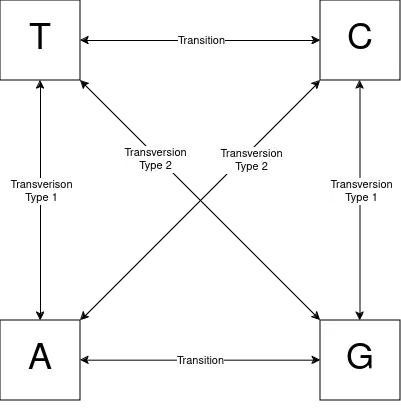
Science & HealthAll organisms on earth consist of a unique chemical substance called deoxyribonucleic acid, or DNA—an essay exploring how mutations in this molecule drive both disease and evolution.
Read article 7374Science & HealthAfter years of short-term patches and a shutdown that briefly cut off virtual visits, Congress extended Medicare's pandemic-era telehealth rules for nearly two years. Advocates want them made permanent.
Read article 7475Science & HealthFederal health officials have advanced a first-ever definition of ultra-processed food and a rule to end food companies' ability to secretly declare ingredients safe. What it could mean for what Americans eat.
Read article 7576Science & HealthEvery state received a share of the new Rural Health Transformation Program. As the first deadlines arrive this fall, analysts say the fund offsets only part of the Medicaid cuts headed for rural America.
Read article 7677Science & HealthWith no comprehensive federal law, states passed a wave of 2026 laws limiting how insurers use artificial intelligence, banning chatbots from posing as therapists and requiring humans to make the final call.
Read article 77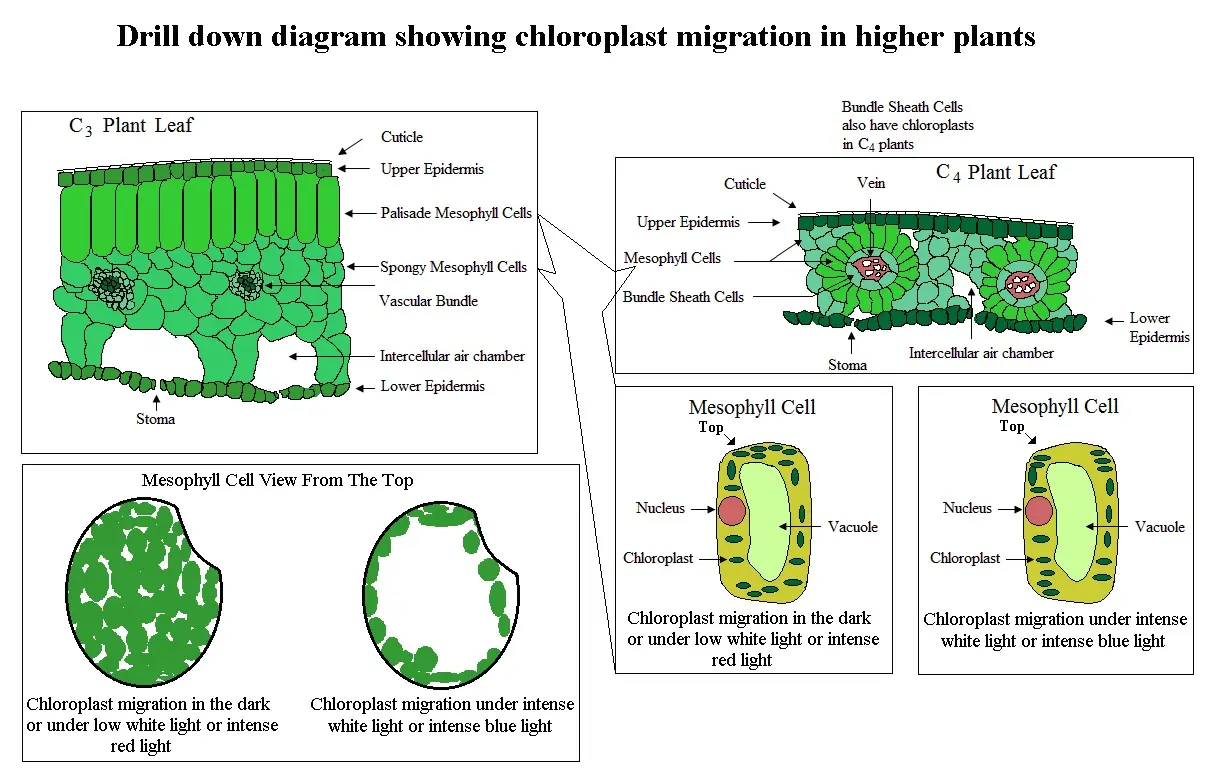
Science & HealthPhotosynthesis is the process that powers life on Earth. This article explains how plants convert sunlight into chemical energy, why this process sustains all ecosystems, and how scientists are learning to replicate it to solve global challenges.
Read article 78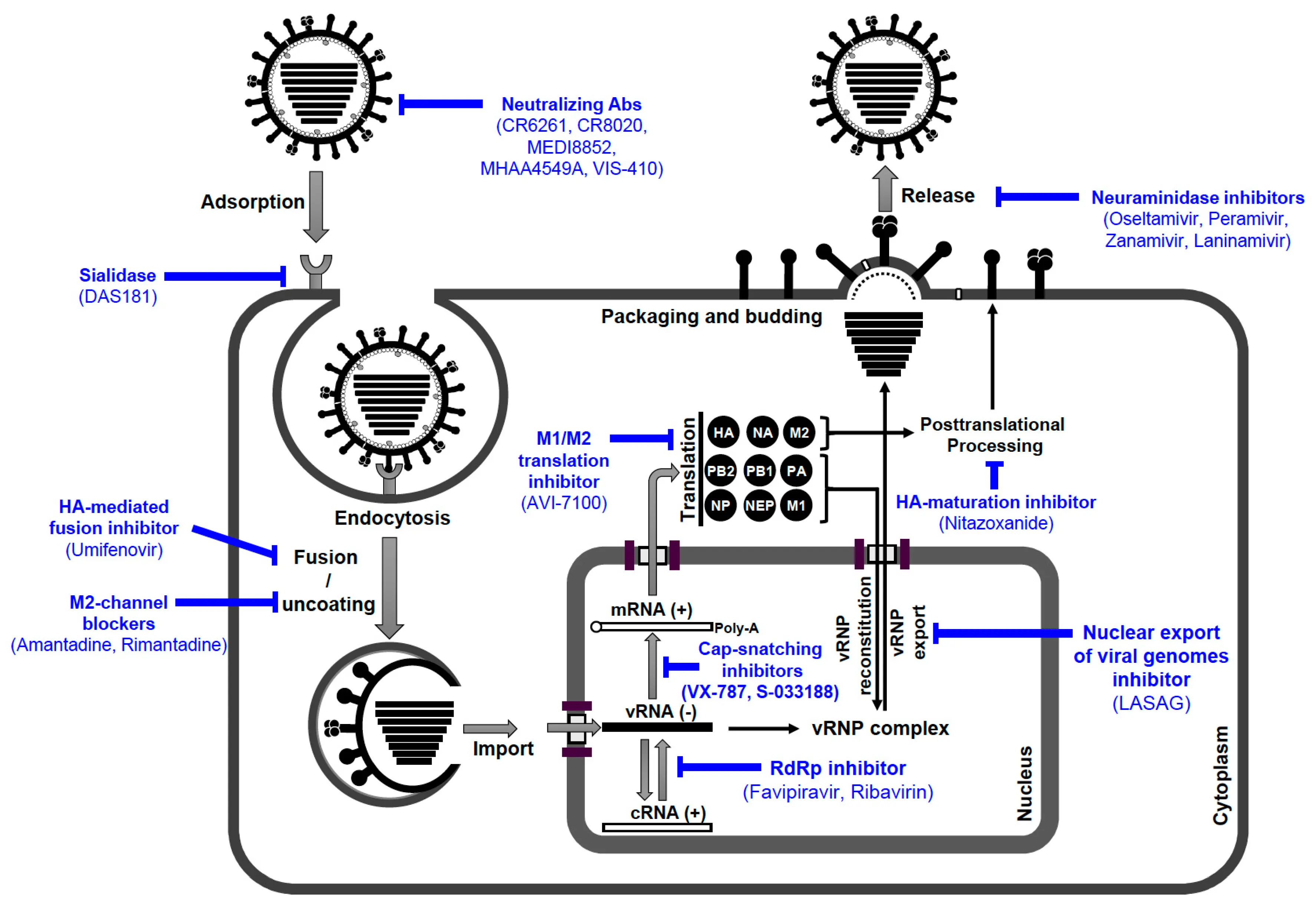
Science & HealthThe science behind the immune system, the body's defense mechanism against foreign substances such as infections and cancer cells. This article describes the intricacies of immunity, from white blood cells and antibody production to memory cells providing lifetime immunity.
Read article 7980Science & HealthAs the midterms approach, Democrats are talking about expanding coverage again. Oregon is weeks away from delivering a detailed plan that could make it the first state with a single-payer system.
Read article 80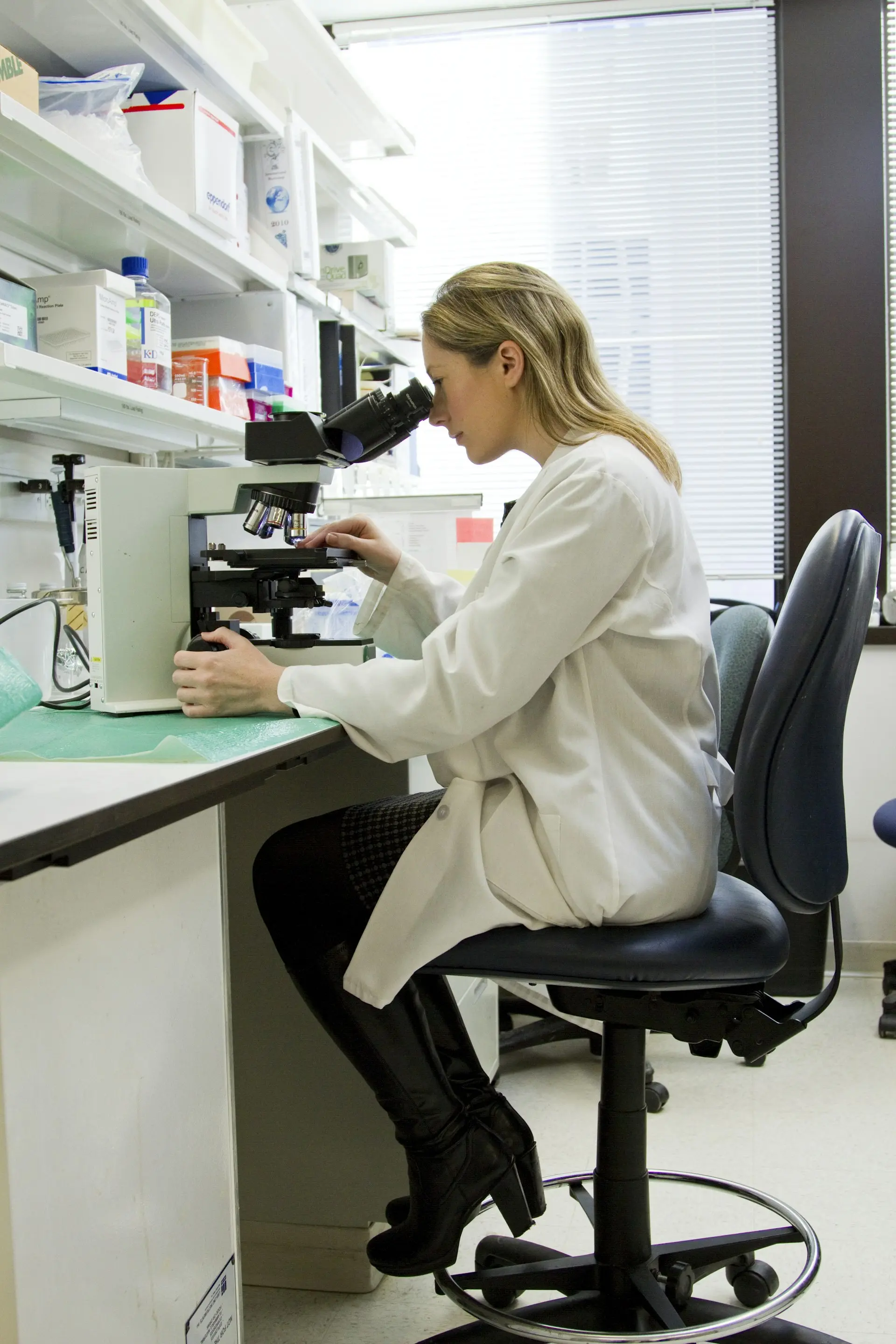
Science & HealthAging is universal, but its biology is not fully understood. An exploration of cellular aging, the mechanisms behind the decline, and the research attempting to mitigate or prevent this process.
Read article 8182Science & HealthJuries have ruled against Meta and YouTube, school districts are settling, and 29 states have taken Meta to trial. The cases test whether app design can be treated like a dangerous product.
Read article 8283Science & HealthLawmakers gave the National Institutes of Health a small raise for 2026 and are again resisting a proposed cut for 2027. But new research awards have dropped sharply, and the agency now runs on a stopgap budget until December 11.
Read article 83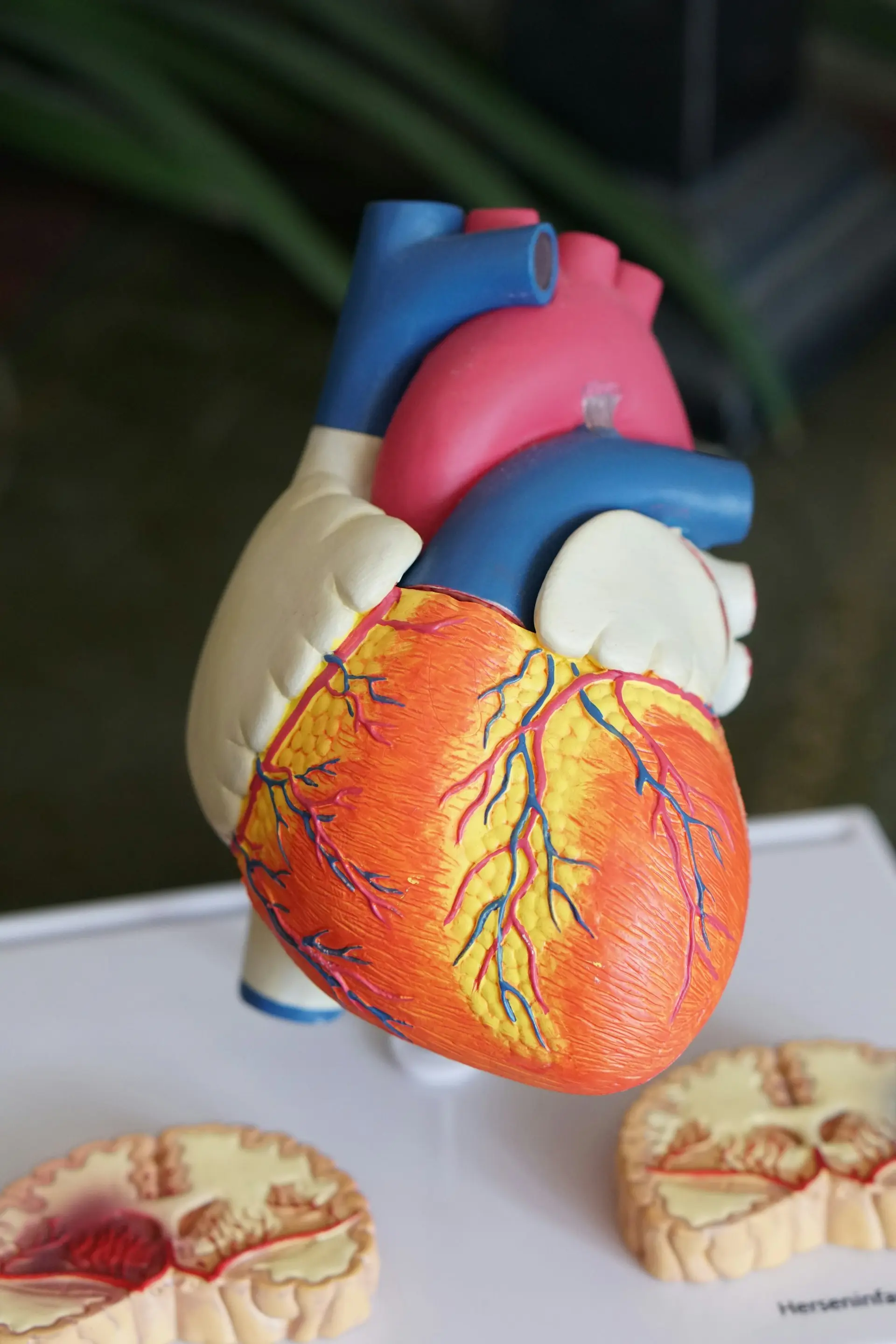
Science & HealthEvery heart beat, breath, and mental process occurs due to chemistry. In each cell of our body, thousands of biochemical reactions take place per second – reactions of breakdown of food substances, energy gener…
Read article 8485Science & HealthA temporary "GLP-1 Bridge" opened Medicare coverage of obesity drugs like Wegovy and Zepbound in July. The permanent model meant to replace it has been delayed indefinitely.
Read article 85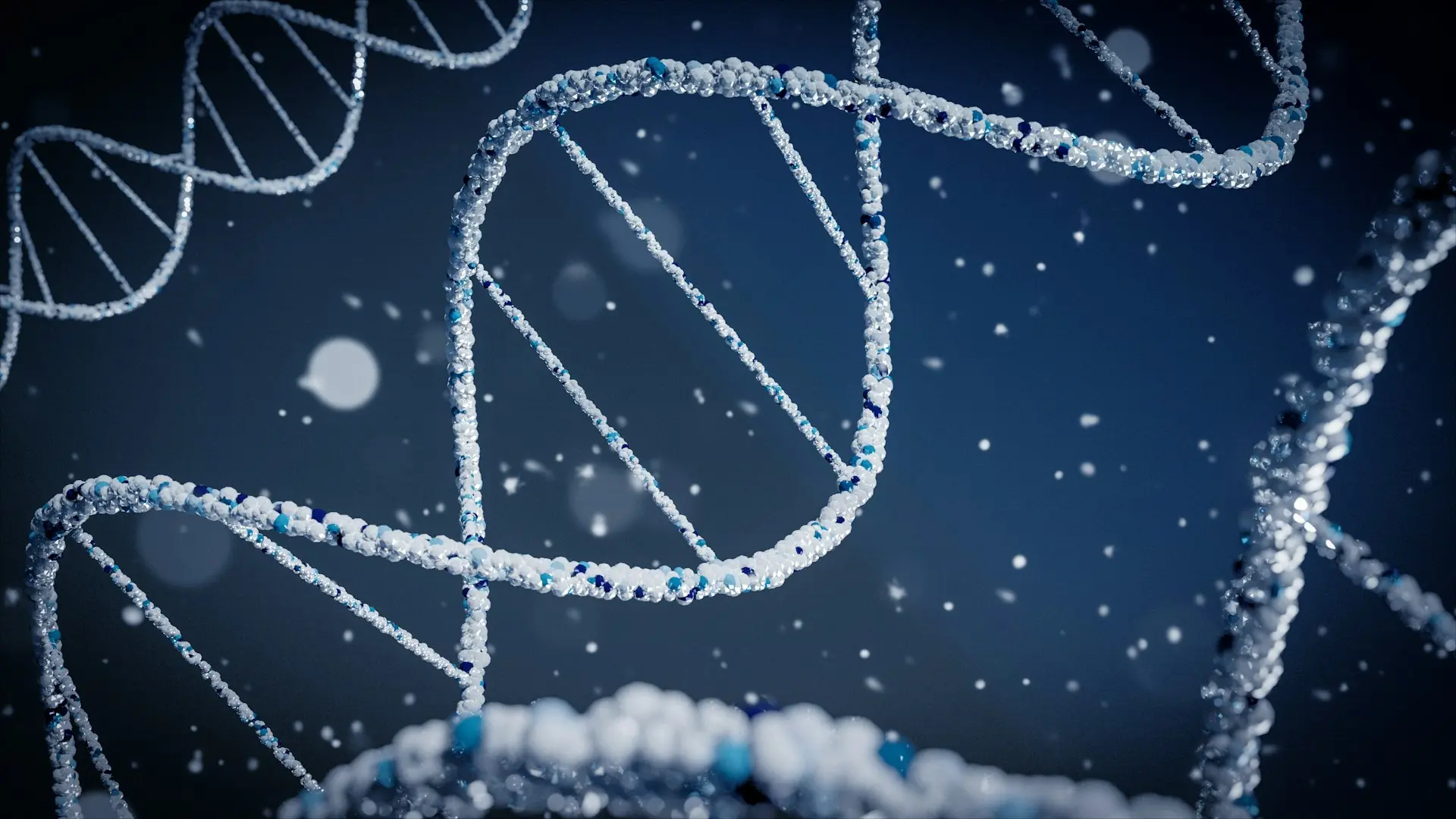
Science & HealthEvery heartbeat, breath, and thought begins with the tiny, complex world inside our cells. This article explores how cells function as living factories, working together to power the human body and maintain life.
Read article 8687Science & HealthFrom October 15 to December 7, more than 60 million older and disabled Americans can change their Medicare coverage. The options look very different depending on which kind of Medicare they have.
Read article 87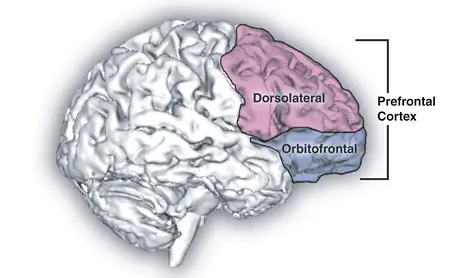
Science & HealthThe subject of procrastination is a nuanced and complex one of emotions, motivation, and psychology; this article discusses the subject of procrastination in regards to both why people procrastinate, as well as the best methods for doing so.
Read article 88
Science & HealthMotivation is the fuel of all our objectives, but what about the hurdles to this fuel? This article talks about the science of motivation, as well as the hurdles to it that could influence us in achieving our goals.
Read article 89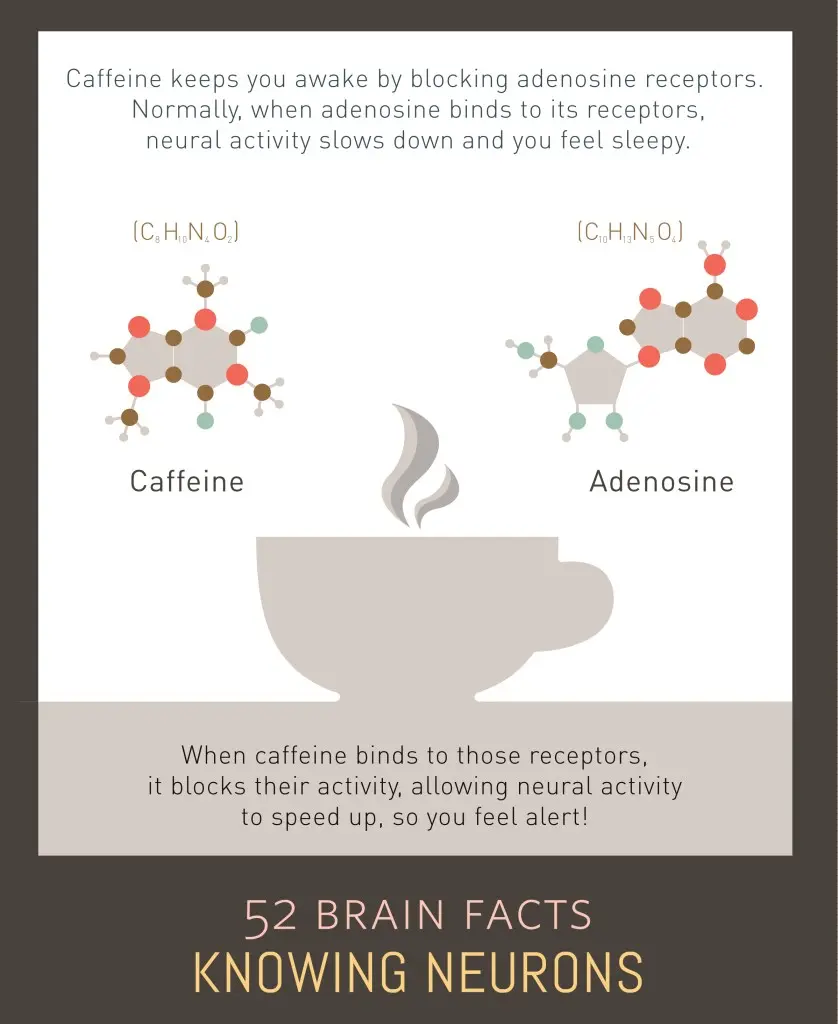
Science & HealthCaffeine is the most widely used stimulant in the world, found in coffee, tea, and energy drinks. This article explores how caffeine works inside the brain, why it boosts alertness, and what happens when we have too much of it.
Read article 90
Science & HealthStress is something everyone experiences, but few people understand what actually happens inside the body when we feel it. This article explores how stress affects the brain, hormones, and health—and how managing it can improve both physical and mental well-being.
Read article 91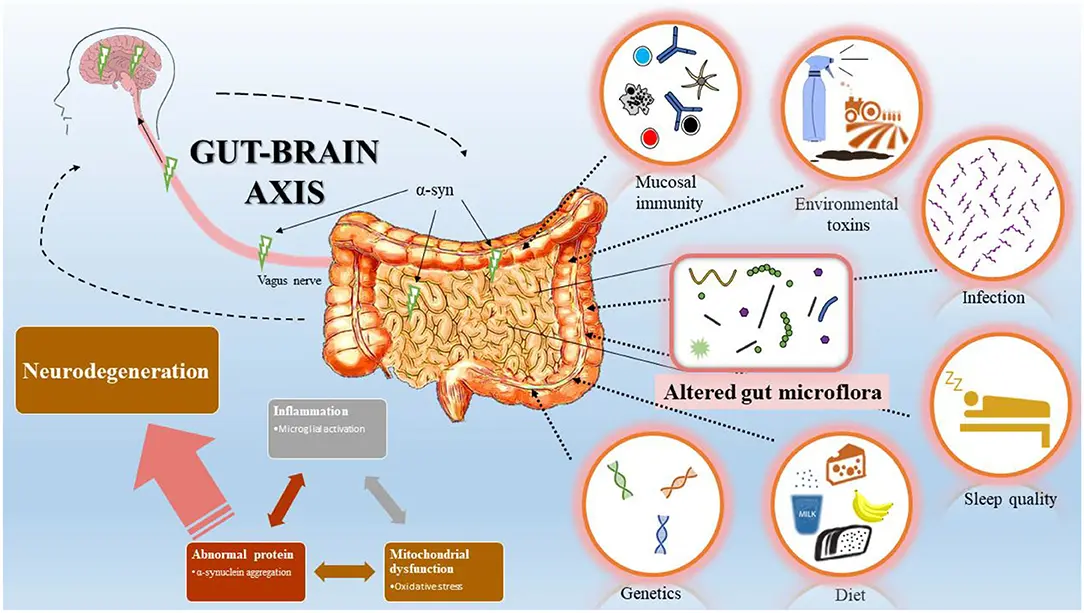
Science & HealthA review of the latest scientific research on the gut-brain connection and the effects of a person's digestion on his or her psyche.
Read article 92
Science & HealthSleep is vital for every organ system, yet it is one of the most neglected aspects of health—especially among students. This article explores the biological consequences of sleep deprivation on the brain, body, and emotional well-being, revealing how rest shapes performance and long-term health.
Read article 93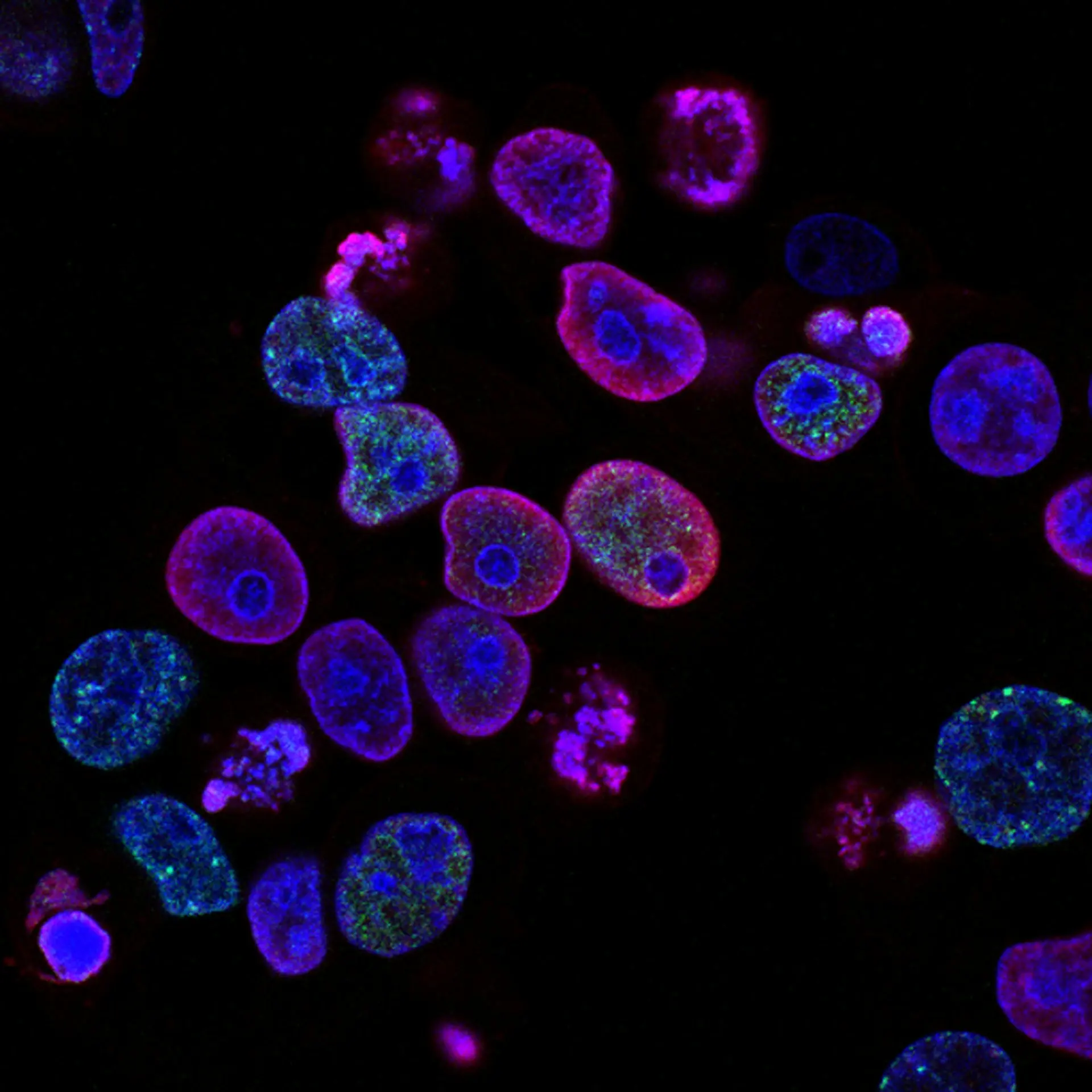
Science & HealthNeurodegenerative disorders like Alzheimer's and Parkinson's affect millions worldwide. This article explores the science behind their progression, the race to find early diagnostic biomarkers, and how new research is reshaping our understanding of the aging brain.
Read article 94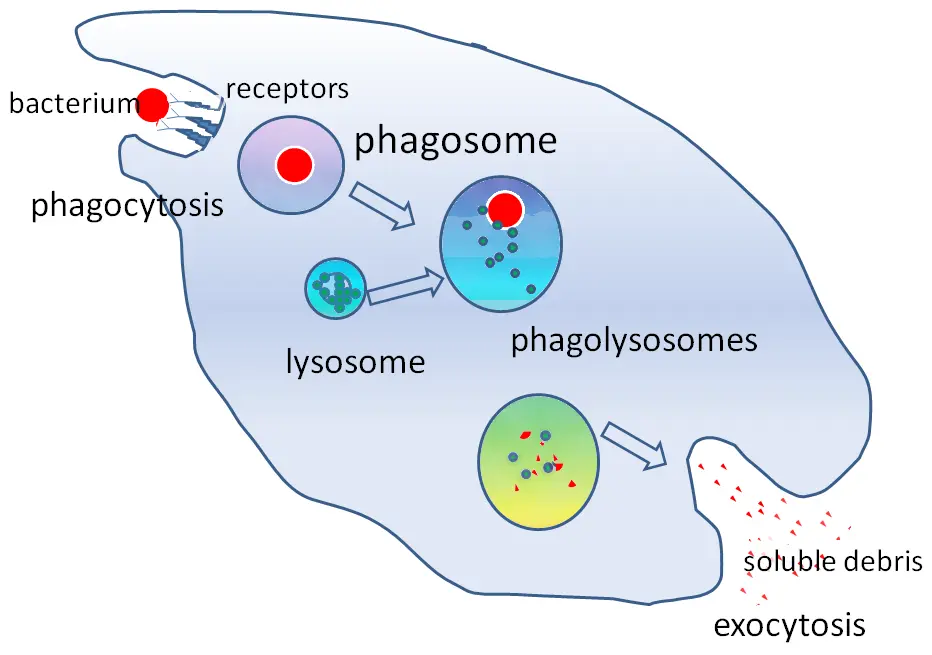
Science & HealthAn exploration of Long COVID's immunological, vascular, and neurological mechanisms, the emerging biomarkers used to detect it, and the individualized treatment strategies being developed to manage the condition.
Read article 95