Finance & Economics
01Sovereign Debt Burdens and the Fiscal Limits of Advanced Economies
How persistent primary deficits, structural entitlement pressures, and r g interest rate dynamics are eroding fiscal space across G7 nations.
Read articleBrowse every Policy Ledger story filed under finance & economics.
View all 481 articlesHow persistent primary deficits, structural entitlement pressures, and r g interest rate dynamics are eroding fiscal space across G7 nations.
Read article
Artificial intelligence is incurring significant costs, but will it pay off? According to a Reuters article, dated October 3, 2023, that discusses an industry that is spending significantly on this technology at a time when economists…
Read article
Most money today is already digital. Paychecks arrive by direct deposit, and purchases are made by card or phone. Yet that money is created by commercial banks, not by the government.
Read article
The U.S. trade deficit widened sharply in August even after more than a year of aggressive tariff policy, showing that trade balances are driven by much more than border taxes. Record imports reflected strong domestic demand, inventory rebuilding, and heavy investment in artificial-intelligence infrastructure.
Read article
Headline inflation rose to 3.8% from 3.2% in August. Euro-area inflation accelerated far more than policymakers wanted in September, driven by energy and food prices and accompanied by a smaller rise in core inflation. The jump reinforced expectations that the European Central Bank’s 2026 hiking cycle might not be finished.
Read article
The U.S. labor market cooled sharply in September, with payroll growth falling far below expectations. The soft report did not show mass layoffs, but it reduced pressure on the Federal Reserve to follow its September rate increase with another move in October.
Read article
China’s manufacturing sector returned to modest expansion in September, helped by stronger technology demand and improved production conditions. The rebound offered some relief after months of weakness, but it did not eliminate the economy’s deeper problems in property, consumption, and private investment.
Read article
The U.S. economy proved stronger in the second quarter than initially estimated, with consumer spending and business investment carrying growth despite high borrowing costs and persistent inflation. The revision strengthened the case that the economy could absorb tighter monetary policy without immediately falling into recession.
Read article
Few financial products have a worse reputation than the credit default swap. Before 2008, almost nobody outside Wall Street had heard of one.
Read articleHow financial weaponization, secondary sanctions, and new payment infrastructure will create a more fragmented monetary order
Read article
Anthropic’s potential public offering became one of the most important financial tests of the artificial-intelligence cycle. A listing at a valuation near $2 trillion would force public investors to evaluate business economics that had largely remained hidden inside private funding rounds and strategic partnerships.
Read articleHow billions in AI capital expenditure have yet to translate into macro-level economic growth, and why the "Solow Paradox" is repeating itself in the generative AI era.
Read article
South Asia’s economy is growing more rapidly than expected due to expenditure and investment in the region. As of an October 6 projection, the World Bank expects South Asia to grow by 6.9 percent in 2026.
Read article
The Federal Reserve raised its benchmark interest rate in September, marking a decisive turn toward tighter policy under Chair Kevin Warsh. The move responded to persistent inflation and strong economic data while reopening tensions between the central bank and a White House that had repeatedly demanded lower borrowing costs.
Read articleGlobal technology stocks fell after renewed calls from AI industry leaders to slow the pace of development. The market reaction revealed how deeply expectations for nonstop AI investment had become embedded in valuations across semiconductors, data centers, and other infrastructure-linked businesses.
Read articleHow shrinking working-age populations, rising dependency ratios, and structural labor shortages are permanently altering the trajectory of global economic growth.
Read article
Economists expected the CPI to rise about 0.4% on the month and 3.4% from a year earlier. U.S. inflation was expected to accelerate in August as gasoline prices rebounded, putting the Federal Reserve under pressure just days before its September meeting. The central question was whether the energy increase represented another temporary shock or evidence that inflation was staying too high for comfort.
Read articleThe European Central Bank raised its key rate to 2.5% in September and delivered a more hawkish inflation message than markets expected. The decision sent government-bond yields sharply higher across the euro area as investors began pricing the possibility of additional tightening.
Read articleThe U.S. labor market rebounded sharply in August, surprising economists and reopening the possibility of an immediate Federal Reserve rate increase. The report showed that the economy could still generate meaningful job growth even after months of concern about energy shocks, tariffs, and slower hiring.
Read article
Traditional economics assumes that people make careful, rational decisions about money. Anyone who has watched a market panic, or held a losing stock for years hoping to break even, knows that is not the full picture.
Read articleFor the last century, the concentration of resources and political-economic domination was dictated by the availability of hydrocarbons. Ensuring the continuous flow of the lifeblood of the world economy was the…
Read article
Every investor would like to buy when prices are low and sell when they are high. Almost no one can do it consistently. Dollar-cost averaging is a strategy that gives up on trying.
Read articleThe European Central Bank moved closer to a second rate increase of 2026 as policymakers focused on preventing energy inflation from spreading into wages and services. Officials appeared ready to raise the deposit rate to 2.5% in September while avoiding a commitment to a longer tightening cycle.
Read articleHow government subsidies, extreme capital intensity, and geopolitical re-shoring are testing the limits of non-market capital deployment.
Read article
Spain’s housing crisis has ignited nationwide protests as rampant rents seek to displace households. Tens of thousands of people demonstrated on October 3, demanding more protection for tenants as parliament rejected emergency housing…
Read article
Gold surged again in August as central banks accelerated purchases and investors responded to a weaker dollar, geopolitical tension, and uncertainty about the path of U.S. monetary policy. The renewed rally reinforced the idea that official-sector demand had become a structural force in the gold market.
Read article
The federal budget deficit widened dramatically in July as spending rose and tariff refunds continued to reduce revenue. Even after adjusting for calendar effects, the monthly gap was larger than a year earlier, reinforcing concerns about the structural direction of U.S. public finances.
Read article
Every public company publishes three main financial statements. The income statement shows profit over a period, and the cash flow statement tracks money moving in and out.
Read articleThe rise of green industrial policies, semiconductor state aid, and the collapse of the multilateral trade regime have given rise to systemic economic fragmentation.
Read articleSovereign debt markets, including the most liquid U.S. Treasuries, UK Gilts, German Bunds, and Japanese Government Bonds (JGBs), serve as the critical foundation for the financial system. They provide the yield…
Read article
The federal funds target remained at 3.50%-3.75%. The Federal Reserve left rates unchanged in July, but the decision did little to reduce uncertainty. Chair Kevin Warsh emphasized the Fed’s commitment to lower inflation while refusing to provide a clear path for future policy, and three committee members dissented in favor of an immediate hike.
Read article
India’s central bank entered its August meeting facing higher inflation, a weaker rupee, and a still-strong but slowing economy. Most economists expected the Reserve Bank of India to keep its repo rate at 5.25%, prioritizing growth stability while watching whether energy-driven inflation became persistent.
Read articleFederal Reserve Chair Kevin Warsh’s preference for limited forward guidance was increasingly tested by rising inflation and a more hawkish group of policymakers. With oil prices and tariff risks adding to price pressure, markets wanted clearer signals about whether the Fed was prepared to raise rates.
Read articleFor three decades, modern central banking was guided by one monetary policy regime, which has been uniformly adopted by the most influential monetary authorities, including the
Read article
International trade is undergoing a shift, reshaping the relationships between the United States and other economies. As per the UN Trade and Development’s October 2026 report, trade between China and North America dropped by over 20%…
Read article
Some of the largest investors in the world are not banks, billionaires, or hedge funds. They are governments. Sovereign wealth funds are state-owned investment funds that manage national savings, and together they control trillions of…
Read article
The fiscal consequences of the Supreme Court’s tariff ruling became visible in June as refunds turned customs revenue negative and pushed the monthly federal budget into deficit. The episode showed how quickly a legal decision on trade policy can flow into government finances.
Read article
The U.S. housing market remained trapped between limited supply and weak affordability in June. Existing-home sales fell unexpectedly even as mortgage rates eased from recent peaks, because prices reached a record and borrowing costs remained high relative to pre-conflict levels.
Read articleHow institutional capital flows, borrower-based constraints, and macroprudential measures shape residential real estate.
Read article
Buying a house has become challenging as mortgage rates climb and the prices of the homes remain high. According to Reuters, the average 30-year mortgage rate for the U.S.
Read article
When a mid-sized company needs to borrow, the traditional answer is a bank. Increasingly, the lender is an investment fund instead.
Read articleHow architecture, privacy trade-offs, and the wholesale-retail divide, shape central bank liabilities and financial stability.
Read article
In 2020 and 2021, hundreds of companies went public without a traditional IPO. They merged with shell companies that had no business of their own, known as special purpose acquisition companies, or SPACs.
Read articleA temporary U.S.-Iran agreement triggered one of the strongest weeks of equity-fund inflows in years as investors bet that reopening a key oil route would reduce inflation pressure. Technology funds captured a record share of the money, showing how geopolitical relief quickly fed back into the AI-driven market rally.
Read articleThe rise of non-bank financial intermediaries, opaque valuations, and direct ties to the bank system, explain how risks in credit have shifted into the shadows.
Read article
New-home prices fell 0.2% from April and 3.5% from a year earlier. China’s housing downturn remained a major drag on the economy in May as new-home prices fell again and weakness persisted outside the largest cities. The data suggested that years of policy support had prevented a disorderly collapse but had not yet produced a broad recovery in household confidence.
Read article
A bank can be perfectly healthy in the morning and gone by the end of the week. The reason is the bank run, a rush by depositors to withdraw their money all at once.
Read article
The European Central Bank entered June with a rate increase looking nearly certain. Inflation had climbed well above target and underlying price pressure was beginning to strengthen, forcing policymakers to respond even as the euro-area economy showed signs of slowing.
Read article
Growing energy prices are posing a threat to the world economy, as many nations struggle to restrain inflation without interrupting economic growth.
Read articleHow creditor fragmentation, non-Paris Club dominance, and the G20 Common Framework are redefining default resolution in developing economies
Read articleThe unwinding of huge asset purchase programs, known as quantitative tightening (QT), has had a significant impact on world liquidity. The task of tightening the central bank balance sheets is complicated by the need…
Read article
Global trade sees mixed recovery with services trade growth prospects lower than goods, reports say World Trade Organization (WTO) on October 8th increased its 2026 forecast for merchandise trade by 3.9% compared to only 1.9% in March,…
Read article
Stock markets depend on a basic promise: that everyone trades on the same public information. Insider trading breaks that promise.
Read articleHow structural demographics, capital demand, and fiscal deficits are permanently increasing the natural rate of interest
Read article
British rate markets abruptly shifted toward tighter monetary policy as investors reacted to worsening energy risks and renewed inflation concerns. The change showed how quickly a central bank can move from discussing cuts to confronting the possibility of hikes when a major supply shock changes the inflation outlook.
Read articleU.S. inflation accelerated sharply in April, challenging the idea that the year’s price pressures would be temporary. Higher energy costs, tariffs, and a statistical rent adjustment pushed the consumer price index above expectations and reinforced the market view that the Federal Reserve would keep rates elevated.
Read article
The U.S. labor market surprised on the upside in April, adding enough jobs to ease recession concerns without returning to the overheated conditions of the post-pandemic boom. The report strengthened the case for the Federal Reserve to keep rates steady while it focused on persistent inflation.
Read articleHow geopolitical fragmentation, friend-shoring, and chronic volatility are taking the place of the era of cost-optimized globalization.
Read article
The U.S. economy expanded at a 2.0% annualized rate in the first quarter, showing continued resilience even as inflation remained well above the Federal Reserve’s target. The combination kept recession fears contained but gave policymakers little reason to rush toward lower interest rates.
Read article
Few people can pay cash for a house. A mortgage is the loan that makes homeownership possible, and for most families it is the largest debt they will ever take on. Knowing how one works can save a borrower tens of thousands of dollars.
Read articleThe renovation project had risen to roughly $2.5 billion, drawing scrutiny from administration officials and lawmakers. The Justice Department ended its investigation into Federal Reserve Chair Jerome Powell over cost overruns on the central bank’s headquarters renovation, closing a dispute that had become inseparable from a larger argument about political pressure on monetary policy.
Read articleHow global subsidy wars + AI supercycle are reframing the geography of advanced chip manufacturing
Read articleIn just a few years, the dominance of the US dollar in the world has been challenged. The reason for this is the aggressive use of financial tools by the West, which has prompted many countries to turn to the…
Read article
Global food commodity prices rose in September, with sugar, cereals and vegetable oils at the forefront. The Food and Agriculture Organization of the United Nations announced that its Food Price Index averaged 136.0 points – up 1.5%…
Read article
Saving for retirement is partly about how much is set aside and partly about where it is kept. In the United States, special accounts offer tax advantages to people who save for old age.
Read article
Most investors can only lose what they put in. Margin trading changes that. It allows an investor to borrow money from a broker to buy more stock than they could afford on their own.
Read articleHow multi-trillion dollar sovereign vehicles are fueling aggressive state-led capital to transform post-hydrocarbon economies.
Read articleThe artificial-intelligence boom moved from software to concrete, steel, electricity, and financing. Amazon, Microsoft, Alphabet, and Meta were expected to spend about $630 billion on AI infrastructure in 2026, but the limiting factor was increasingly not capital. It was the physical capacity to build data centers fast enough.
Read articleHow surging load demand, aging transmission assets, and $1.3 tn in utility Capex are shaping the energy market.
Read articleThe European Central Bank’s comfortable start to 2026 was disrupted by a severe energy shock that pushed inflation expectations higher. Economists still expected the ECB to hold its deposit rate at 2%, but a growing minority began forecasting rate increases as policymakers tried to prevent another energy-driven inflation episode from becoming entrenched.
Read article
Germany industrial output was up in August, a positive sign for an economy that has been stagnant for several years. Preliminary figures from Destatis, Germany's statistics agency, showed output was up 2% in August from July, hitting…
Read articleA renewed Middle East energy shock pushed oil above $100 a barrel and forced the Federal Reserve to evaluate a familiar but difficult problem: whether a supply-driven price spike would fade on its own or become embedded in broader inflation. Markets entered the March policy meeting looking for clues about how much patience the Fed could afford.
Read article
In September 2008, the global financial system came closer to collapse than at any time since the 1930s. Banks that had stood for more than a century disappeared in a weekend, credit stopped flowing, and millions of people lost their…
Read articleHow $15.1 trillion in state capital is pivoting from passive portfolio management to controlling the physical backbone of AI and energy systems.
Read article
Washington moved quickly to rebuild tariff pressure after the Supreme Court limited the president’s emergency trade powers. New investigations targeted alleged excess industrial capacity and forced-labor concerns, creating a path toward fresh duties under different sections of U.S. trade law.
Read article
Americans are turning out to be less optimistic about the economy as employment and business worries mount. The Conference Board’s consumer confidence index sank to 81.9 in September, the lowest level since April 2014.
Read article
China officially set a 2026 economic growth target of 4.5% to 5%, signaling that Beijing was willing to accept a somewhat slower pace than the roughly 5% growth achieved the year before. The range reflected a balancing act between supporting demand and reducing dependence on debt-heavy stimulus.
Read articleHow higher borrowing costs, grid queue delays and developing market risk premia threaten global decarbonization targets
Read article
The alliance was expected to raise output by about 137,000 barrels per day in April after a three-month pause. OPEC+ approached its next production decision with the physical oil market appearing looser but geopolitical risk keeping prices supported. The group was expected to approve only a modest increase, trying to defend market share without triggering a sharp price decline.
Read article
Cryptocurrencies such as Bitcoin are known for wild price swings, which makes them awkward to use as money. A coin that can lose a tenth of its value in a day is a poor way to pay rent.
Read articleThe U.S. Supreme Court delivered a major ruling on trade policy by striking down broad tariffs imposed under emergency economic powers. The 6-3 decision did not end the administration’s tariff strategy, but it sharply limited one legal route and created new uncertainty over refunds, replacement duties, and the balance of trade authority between Congress and the president.
Read article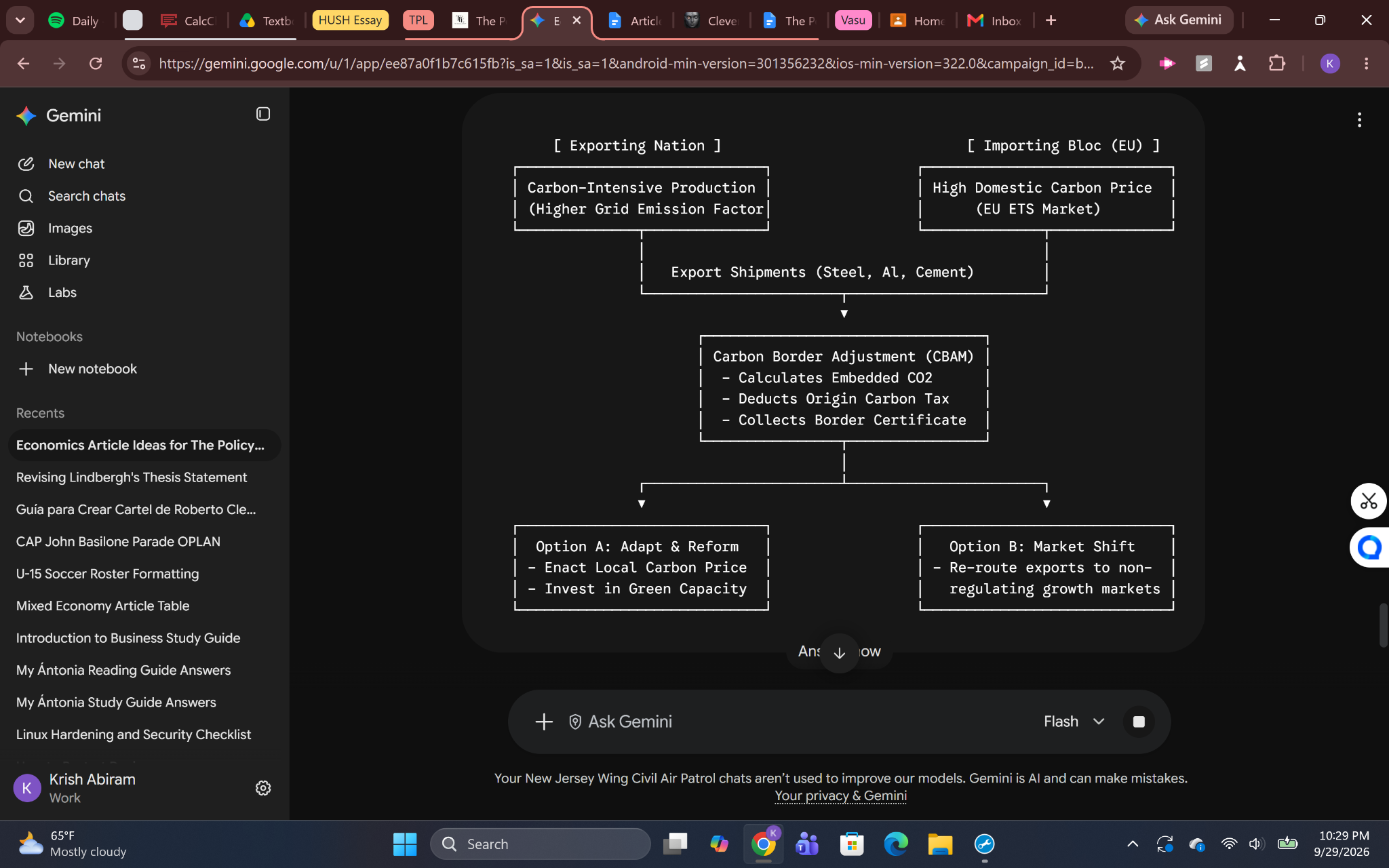
How green trade policy and carbon border taxes are reshaping export economics and deepening North-South economic friction.
Read article
A farmer planting wheat in the spring has no idea what it will sell for in the fall. A bakery has the opposite worry: that the price of flour will jump.
Read article
Oil markets ended the week caught between two competing stories: softer U.S. inflation improved hopes for lower interest rates and stronger demand, while expectations of increased OPEC+ supply kept a lid on prices. The balance pushed crude slightly higher on the day but still left both major benchmarks down for the week.
Read articleWhile subsidies to favored industries are back in fashion, picking winners runs the risk of market distortions and subsidy wars.
Read article
China has a significant economic problem since the country faces a demographic transition that may occur when a country’s population stops growing.
Read articleComing to terms with the transition between the pandemic aftermath period and the new reality.
Read articleHow state-owned capital is shifting from oil and gas to climate tech and AI infrastructure.
Read article
Economies usually face one problem at a time. In a boom, prices rise but jobs are plentiful. In a slump, jobs disappear but prices stay calm.
Read article
Russia entered 2026 with growth slowing sharply from the wartime surge that had supported activity in earlier years. The International Monetary Fund cut its forecast to just 0.8%, highlighting how high interest rates, labor shortages, tax increases, and weaker energy revenue were constraining the economy.
Read articleFederal Reserve officials opened 2026 signaling patience rather than urgency. San Francisco Fed President Mary Daly argued that policy was well positioned and that further changes should be deliberate, reflecting an economy with decent growth, a cooling but not collapsing labor market, and inflation that was improving only gradually.
Read article
Canada’s planned construction, energy, and defense projects could create significant opportunities for businesses, but smaller companies can be ruled out as participants.
Read articleHow the 2026 maturity wall and sector distress is reshaping municipal economies and regional banking
Read article
The world economy entered 2026 with growth still positive but historically subdued. A United Nations forecast projected global output growth of 2.7%, below both 2025’s pace and the pre-pandemic average, as trade tensions, debt burdens, and uneven inflation continued to limit the strength of the expansion.
Read articleAhead of the December employment report, private-sector hiring measures, job openings, and other indicators pointed in different directions. The Federal Reserve entered 2026 with one of its most difficult internal debates in years. Policymakers broadly agreed that the labor market had cooled, but they disagreed over whether the weakness justified additional rate cuts while inflation remained close to 3% and above the central bank’s target.
Read articleHow geopolitical tension, tariffs and automation are ending the era of hyper-globalization.
Read article
Central banks normally steer the economy by raising or lowering short-term interest rates. But what happens when rates are already near zero and the economy still needs help?
Read articleThe impact of high interest rates and refinancing cliffs on developing countries’ debt and fiscal sustainability.
Read article
Anyone who has traveled abroad has dealt with exchange rates, usually at an airport counter. For the global economy, they matter far more than vacation budgets.
Read articleChina’s economy lost momentum in November as factory production slowed, retail sales weakened sharply, and the property sector remained a drag. The latest numbers reinforced a growing concern among economists: exports could keep headline growth respectable for only so long if household demand and domestic investment remained weak.
Read article
Bangladesh's banking issues will make it harder for businesses to get financing, weighing down an economy that is dealing with energy deficiencies and high inflation rates.
Read articleThe European Central Bank appeared ready to end 2025 in a rare position of relative comfort. Inflation was close to target, growth had been more resilient than expected, and economists saw little reason for either immediate easing or renewed tightening. After several years of crisis management, the policy debate was shifting toward how long rates could simply stay unchanged.
Read articleThe Federal Reserves quantitative tightening (QT) program ran afoul of bank reserve requirements and short funding markets.
Read article
The U.S. dollar entered December under sustained pressure as weaker employment signals and expectations of further Federal Reserve easing changed the relative appeal of U.S. assets. The move was notable because it came alongside continued uncertainty about the next Fed chair, delayed economic data, and renewed questions about the durability of the U.S. growth advantage.
Read articleChinese policymakers entered the final weeks of 2025 considering another ambitious growth target for 2026 even as the economy struggled with weak household demand, a prolonged property downturn, and excess industrial capacity. The debate was increasingly about whether stimulus could keep headline growth near 5% without worsening the imbalances behind deflation.
Read article
When economists say an economy grew by 2% or shrank by 1%, they are almost always referring to gross domestic product. GDP is the broadest measure of a country’s economic activity and the main yardstick used to compare economies, track…
Read articleThe U.S. labor market entered 2026 with an unusual tightness, as an end to frenetic "Great Resignation"-era job-hopping failed to create the usual wave of layoffs in a slowing economy -- leaving both the labor market…
Read article
Economies do not grow in a straight line. Periods of expansion are interrupted by downturns in which businesses cut back, jobs disappear, and incomes fall.
Read article
American companies are contending with rising costs from three directions: tariffs, fuel prices, and interest rates. According to CNBC’s report of the September 20 issue, the first two have already forced manufacturers, transport firms…
Read articleThe theoretical anchor of monetary policy is on the rise after waves of technological and fiscal change
Read article
The Bank of England kept its benchmark rate at 4.0% in November, but the narrowest possible majority showed how close policymakers were to resuming cuts. Britain still had the highest inflation rate among the G7, yet softer jobs data and weaker growth were beginning to convince more officials that price pressure had peaked.
Read articleRecent attempts by members of the executive to influence rate decisions pose a threat to the institutional safeguards around monetary policy
Read article
Is a stock cheap or expensive? The share price alone cannot answer that, because it says nothing about what the company earns.
Read articleEconomists expected the Bank of Canada to lower its policy rate to 2.25%. The Bank of Canada approached its October meeting with growth and inflation pulling policy in opposite directions. U.S. tariffs had weakened exports and employment, while core inflation remained uncomfortable. Markets nevertheless expected another quarter-point cut as policymakers focused on the widening amount of slack in the Canadian economy.
Read articleThe global economy in 2026 has settled into a happy medium most macroeconomists would describe as 'stagflation lite." Unlike the 70s, when double-digit inflation and stagnant economic growth squeezed a lot at once,…
Read article
Africa’s sub-Saharan economy is forecast to grow faster this year, but the improvement may not be felt by many. According to BusinessDay’s October 10th coverage of the World Bank’s Africa Economic Update, the bank raised its 2026 growth…
Read articleJapan’s long exit from ultra-low interest rates moved closer to another turning point as former Bank of Japan officials and market participants increasingly expected a rate increase by late 2025 or early 2026. The debate reflected Japan’s unusual challenge: inflation had finally returned, but policymakers still wanted to avoid choking off wage growth and domestic demand.
Read article
When news reports describe a company as worth a trillion dollars, they are almost always talking about its market capitalization.
Read article
Federal Reserve Chair Jerome Powell described an economy that looked stronger in spending and output but remained unusually weak in hiring. The combination created a difficult policy mix: inflation was still above target, consumers were still spending, and yet the labor market was showing a low-hiring, low-firing pattern that could deteriorate if demand weakened further.
Read articleFinancial news is full of animals. A rising market is called a bull market, and a falling one is a bear market. The terms are centuries old, and one popular explanation is that a bull attacks by thrusting its horns upward while a bear…
Read articleThe United States entered October facing a federal government shutdown after lawmakers failed to agree on a funding extension. Beyond the political confrontation, the shutdown carried real economic costs by disrupting federal services, delaying data releases, and injecting new uncertainty into decisions by businesses, households, and the Federal Reserve.
Read articleGold remained close to record territory in late September as investors balanced expectations for easier U.S. monetary policy against still-elevated bond yields. The metal’s strength reflected more than a single Federal Reserve decision: it also captured demand for protection against geopolitical risk, currency uncertainty, and long-run concerns about government debt.
Read article
Germany’s proposed 2026 federal budget points to a major shift in the economic strategy of Europe’s largest economy. Berlin is preparing to borrow heavily for infrastructure, defense, energy support, and industrial renewal, moving away from the strict fiscal restraint that shaped German policy for much of the past decade.
Read articleIn September 2025, the European Central Bank made the most significant decision in the post-pandemic period, lowering the key deposit rate by 25 basis points to 3.5%, while remaining wary of the risks of premature tightening.
Read articleThe oldest advice in investing is not to put all your eggs in one basket. In finance, that idea has a name, diversification, and it is one of the few strategies nearly every expert agrees on.
Read articleBut the Chinese economy looked healthy at the start of 2025. Exports had picked up, tourism was bouncing back, and consumer mood had turned positive. By summertime, however, the momentum was gone. GDP growth ha…
Read articleFor decades, the mutual fund has been the main way ordinary people invest in stocks and bonds. Tens of millions of households hold them, mostly through retirement accounts.
Read articleMany of the world’s most valuable companies started with an idea, a few founders, and almost no revenue. Banks rarely lend to businesses like that.
Read article
US Consumer Spending Growth Collapses As Savings Dry Up
Read article
A softer U.S. dollar and easing inflation reignited investor appetite for emerging-market assets, lifting currencies from Brazil to Indonesia.
Read articleMost people think of investing as buying shares on a stock exchange. Private equity works the other way around. Private equity firms buy entire companies, often taking them off the stock market, with the aim of improving them and…
Read article
By mid-2025 the euro had depreciated against the pound to a two-year low as speculators bet that the European Central Bank would loosen policy more quickly than the Bank of England.
Read articleAn agreement among OPEC+ members to maintain steady production ended months of volatility in energy markets.
Read article
Hedge funds are among the most secretive and most discussed players in finance. They manage trillions of dollars, employ some of the highest-paid people in the world, and are blamed or credited for many dramatic market moves.
Read article
Owning a share of stock means owning a small piece of a company. A dividend is how that company shares its profits with the people who own it.
Read article
After nearly three years of volatility, inflation in the United States showed consistent signs of cooling in mid-2025. This article analyzes the drivers behind disinflation and what it means for the Federal Reserve's policy path.
Read article
When a company earns more cash than it needs to run its business, it has to decide what to do with it. It can invest in new projects, pay down debt, hand money to shareholders as dividends, or buy back its own stock.
Read article
After months of political tension, Congress approved a debt-ceiling increase that calmed bond markets and lowered Treasury yields across maturities.
Read article
India's gross domestic product (GDP) growth accelerated to 7.2 percent year-on-year (y-o-y) in the first quarter of 2025, supported by a surge in domestic demand, record rural wages, and public investment, surpassing expectations and making it one of the fastest-growing major economies in the world.
Read article
When a government or a company needs to borrow a large amount of money, it often does not go to a bank. It sells bonds. A bond is a loan made by an investor to a borrower, and the global bond market is larger than the stock market.
Read article
A credit score is a three-digit number that tells lenders how likely a person is to repay borrowed money. It influences whether someone is approved for a credit card, a car loan, or a mortgage, and what interest rate they will pay.
Read articleChinese factory activity contracted for a fifth consecutive month in April 2025, highlighting weaker global demand and property-sector drag.
Read article
Inflation is the gradual rise in the prices of goods and services over time. When inflation is running at 3%, something that cost $100 last year costs about $103 today, and each dollar buys a little less than it used to.
Read article
For most of the twentieth century, investing meant picking stocks or paying a professional to pick them for you. Index funds and exchange-traded funds, known as ETFs, changed that.
Read article
U.S. Housing Market Sees Pick-Up in Purchases Amid Declining Mortgage Rates
Read article
EU finance ministers endorsed tighter fiscal guidelines for 2025, signaling a shift from pandemic stimulus toward debt reduction.
Read article
The Institute of International Finance's Global Debt Monitor for March 2025 revealed global debt at $315 trillion, or 336% of world GDP—the highest level in history—as elevated interest rates strain fiscal policy in both advanced and emerging economies.
Read article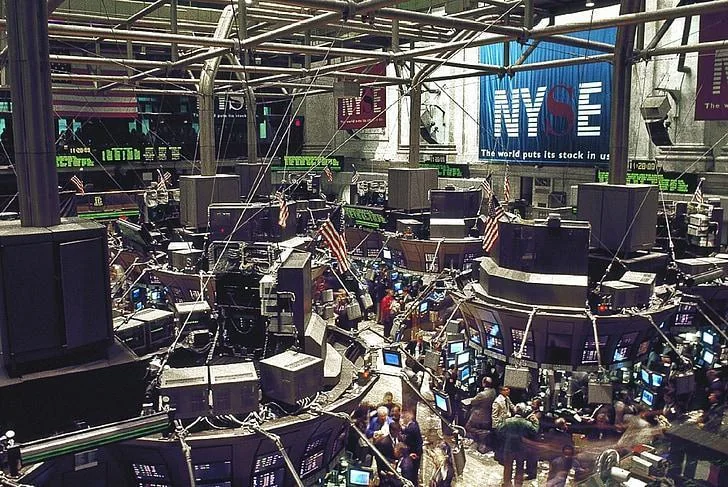
Every publicly traded company, from Apple to the newest technology startup on the exchange, began as a private business owned by a small group of founders and investors.
Read article
Gold prices climbed to a new peak amid fears of market fluctuations and conflicting inflation signals, with central banks in China and India purchasing more than a thousand tons of gold over the past twelve months—the highest level of annual gold buying on record.
Read article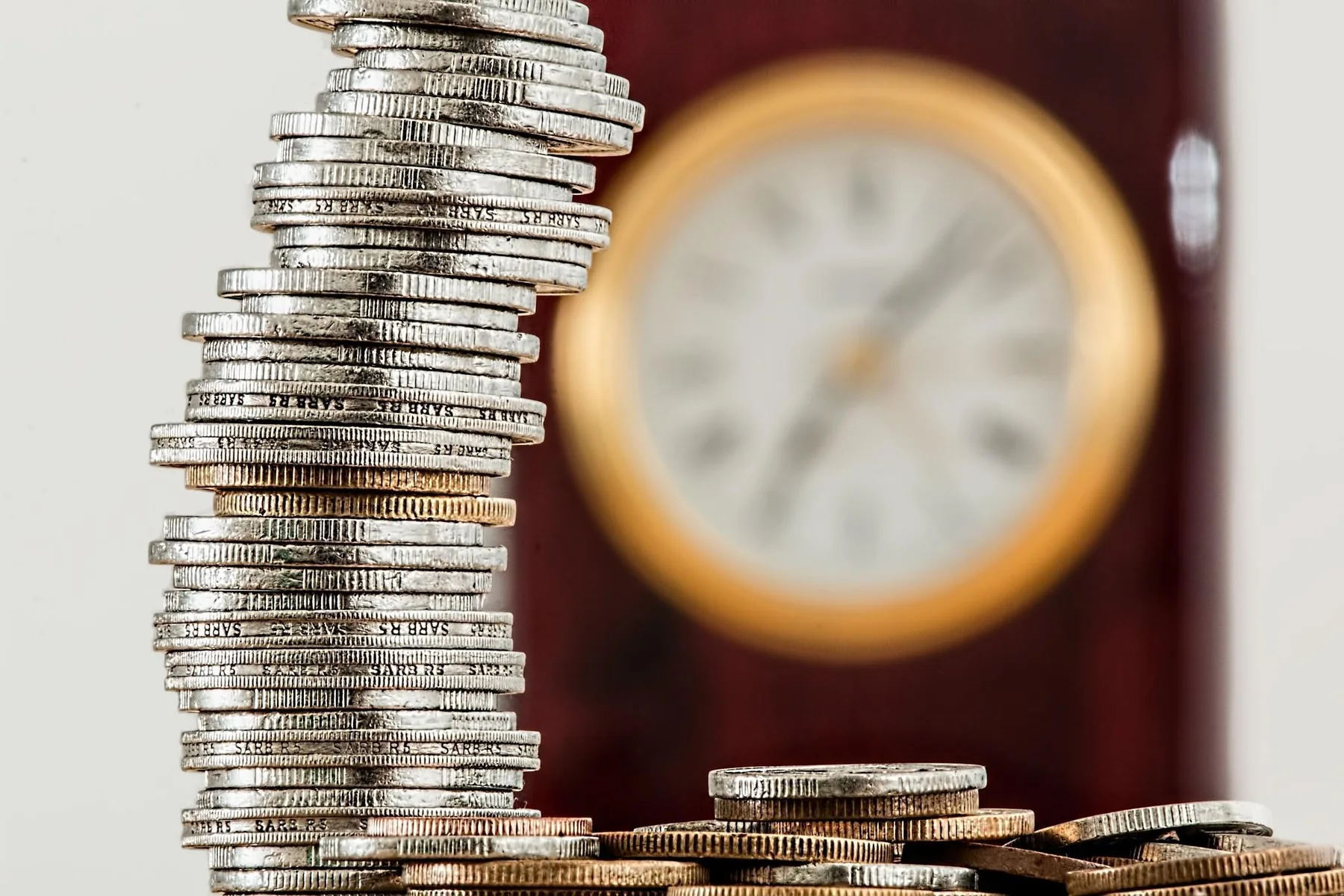
Compound interest is the reason a small amount of money saved early can outgrow a much larger amount saved later. It is also the reason an unpaid credit card balance can spiral out of control.
Read article
From semiconductors to solar panels, the post-pandemic world has redrawn its supply maps. This article examines how 2024–2025 reshoring trends, trade alliances, and geopolitical rivalries are redefining globalization for the next generation.
Read article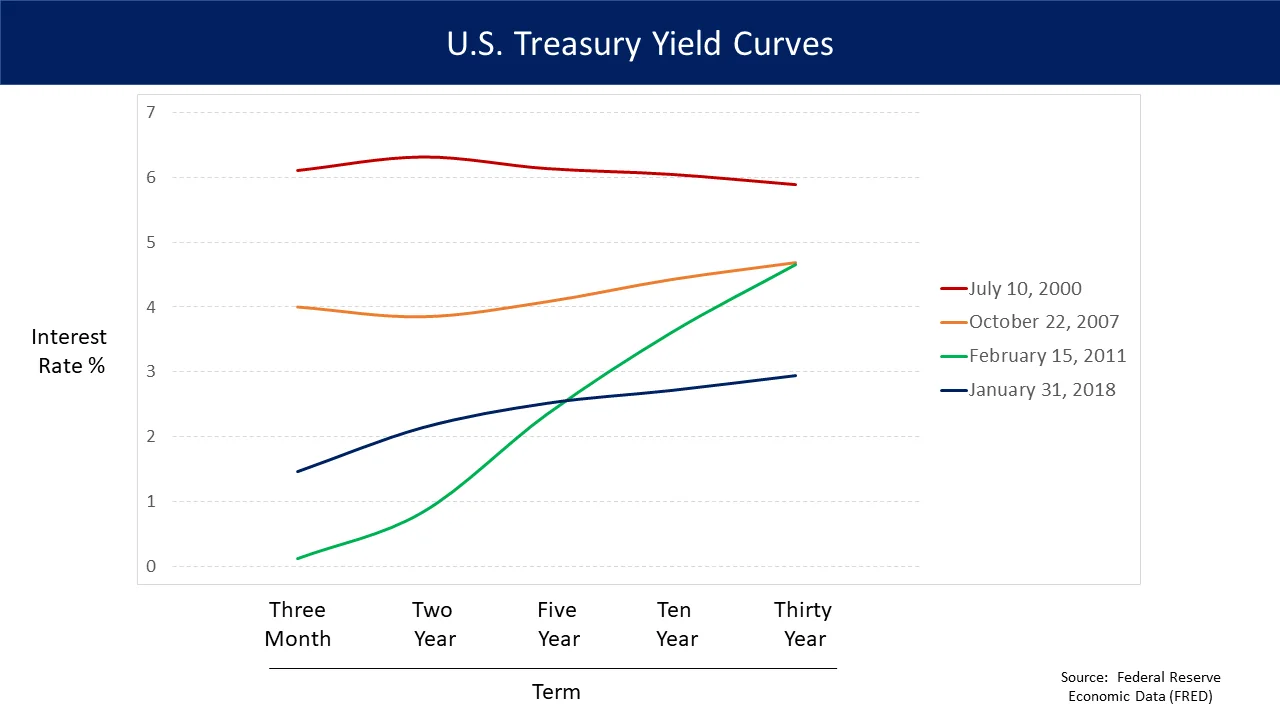
Few charts in finance get as much attention as the yield curve. Economists watch it for signs of recession, banks depend on it for profits, and central bankers study it to see whether markets believe their plans.
Read article
The resumption of trade through the Red Sea shipping routes in February 2025, made possible by naval escorts and cease-fire negotiations, cut shipping costs by 40% and eased global supply chain pressures.
Read article
Japan’s stock market has spent 2026 rewriting its own record book. The Nikkei 225, the country’s benchmark index, first touched 70,000 during trading on June 16 and closed above that level two days later, finishing at 71,053.49 on June 18.
Read article
Almost twenty years ago, China's housing sector was driving the nation's growth miracle. Housing had become an investment instrument as well as a form of social security that made up more than 70% of household…
Read article
The collapse of BitFrontier, one of the five largest crypto exchanges, in late 2024 triggered regulatory investigations across the US, EU, and Asia as jurisdictions moved to protect investors and push crypto markets toward a more regulated environment.
Read article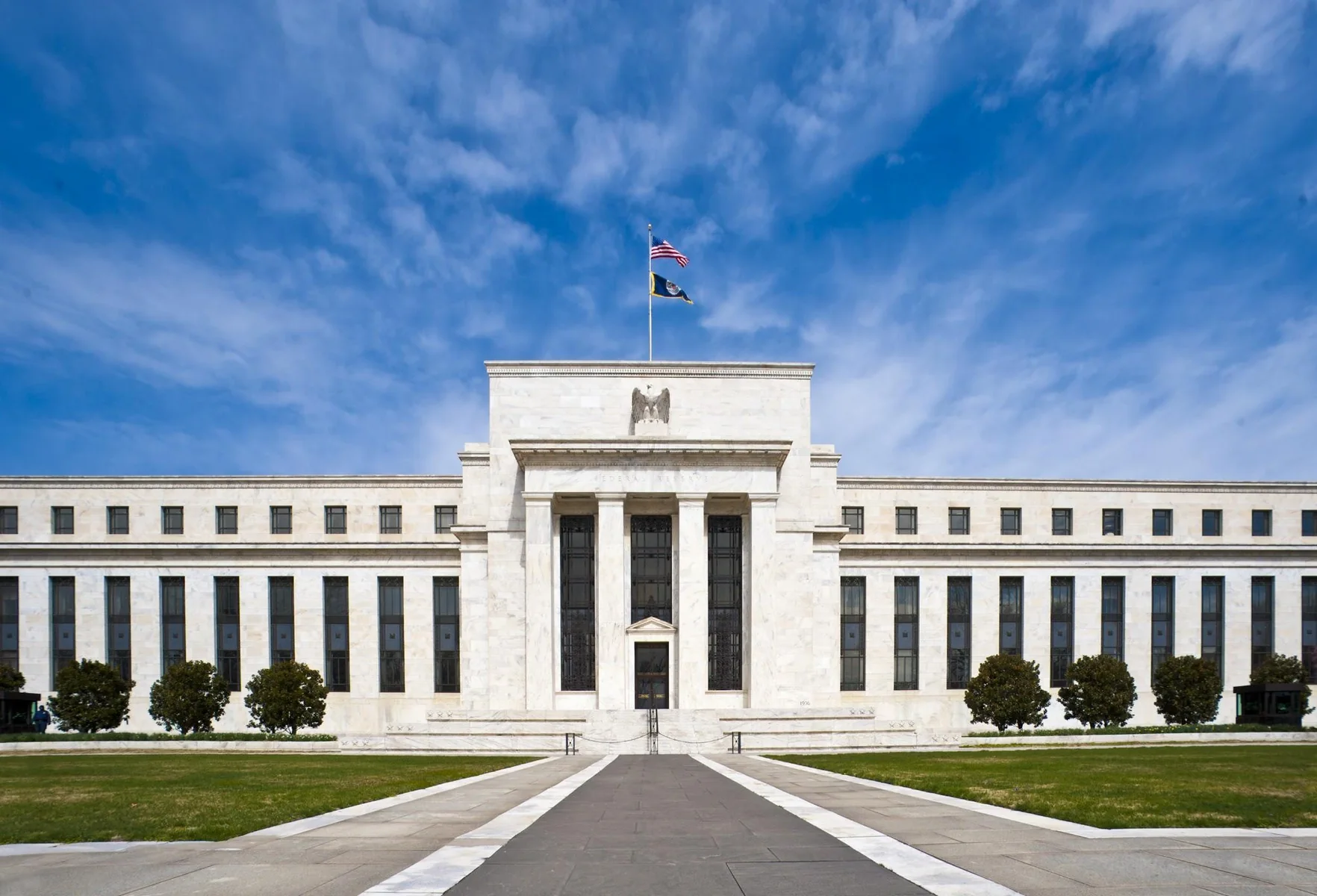
On September 16, 2026, the Federal Reserve did something it had not done in more than three years: it raised interest rates.
Read article
The Bank of Japan raised its policy rate above zero in March 2024, after eight years of negative interest rates, having gained confidence that Japan has exited deflation.
Read article
In December 2024, the total market value of India's stock market overtook Hong Kong, securing the fourth position in the world, driven by strong domestic demand, investment-friendly policy, and record foreign inflows.
Read article
Oil prices entered a period of extreme volatility in late 2024 as OPEC+ production cuts, geopolitical tensions, and accelerating clean-energy adoption collided. This article explores how shifting supply dynamics, policy pressures, and demand transitions are redefining the global energy landscape.
Read article
Tesla, Apple, and Amazon, to name just a few, are some of the biggest companies traded on the stock exchange. However, many investors have found that instead of trading stocks, it's much better to trade on them…
Read article
Two prominent crypto-exchanges, BitLink and AuroraX, collapsed in 2024, leading to billions of dollars in losses for users and fueling an international regulatory crackdown on cryptocurrency markets.
Read articleAfter two years of aggressive tightening, the Federal Reserve kept interest rates unchanged for most of 2024 amid evidence that inflation was cooling. This article analyzes the reasoning behind the pause, its effects on credit markets, and what it signals for the U.S. economy going forward.
Read article 164
Renaissance Technologies is among the most successful and secretive hedge funds that exist today, founded in 1982 by mathematician and former cryptographer Jim Simons, who built one of the highest-yielding investment funds in Wall Street history.
Read article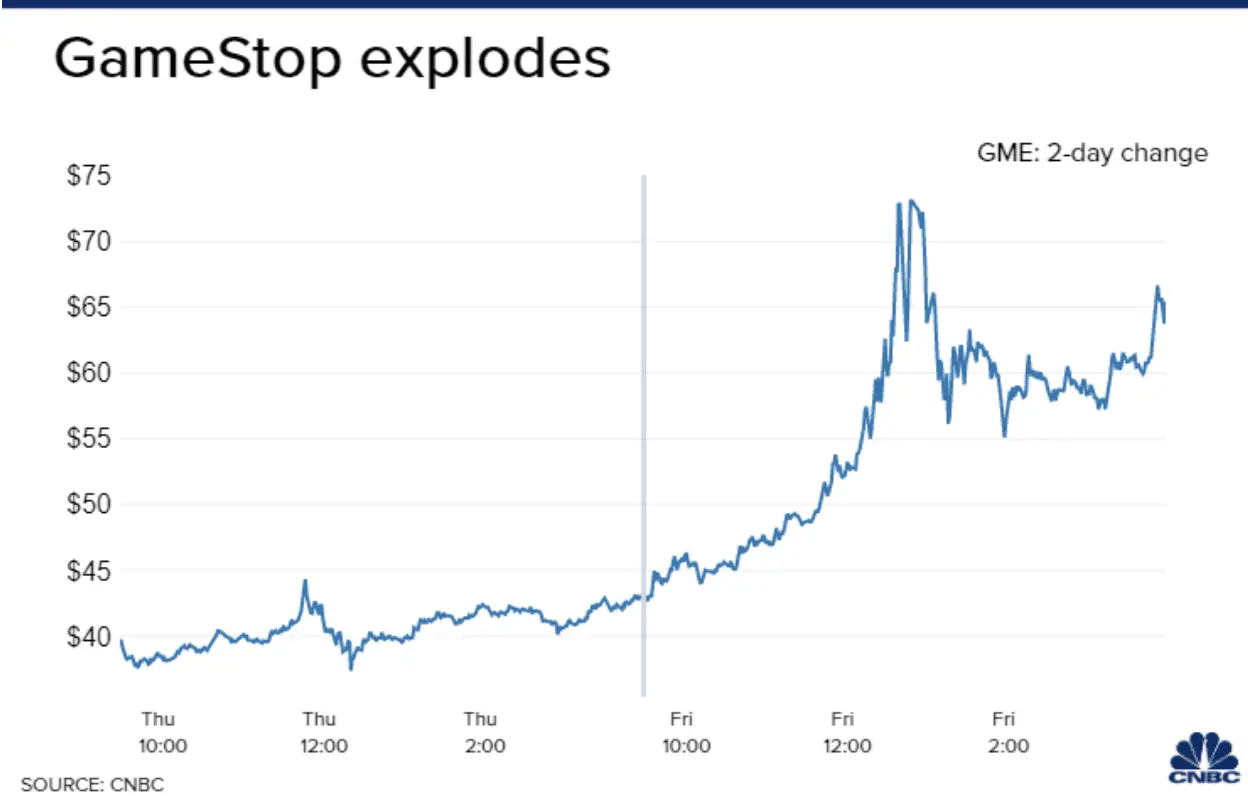
GameStop. Famously being the grimeiest store in a dead shopping mall, it became a center of scandal in 2021 when Wall Street investors were horrified seeing how their investment turned into ashes. But why? Why…
Read articleInsider trading is rampant during the current generation like never before. One of the prominent scandals regarding insider trading that is currently taking place is the Nancy Pelosi scandal. Pelosi has been un…
Read article
Whenever economic issues take center stage in the political arena, much of the discussion focuses on the White House. Entire election cycles have been defined by the economy, best encapsulated by James Carville’s famous phrase: “It’s the economy, stupid.” A president in office during a period of economic expansion is likely to be rewarded at the polls, while the opposite is true during a recession. Although the president and the executive branch have measurable influence over the economy, it is Congress and the Federal Reserve that have a more significant impact through two distinct avenues: fiscal and monetary policy.
Read articleThe Bank of Japan ended its historic policy of yield-curve control in March 2024, in the same meeting in which it also abandoned negative rates. The move, which sent bonds and the yen higher, marked the end of Japan's long battle with deflation.
Read article